Online Reporter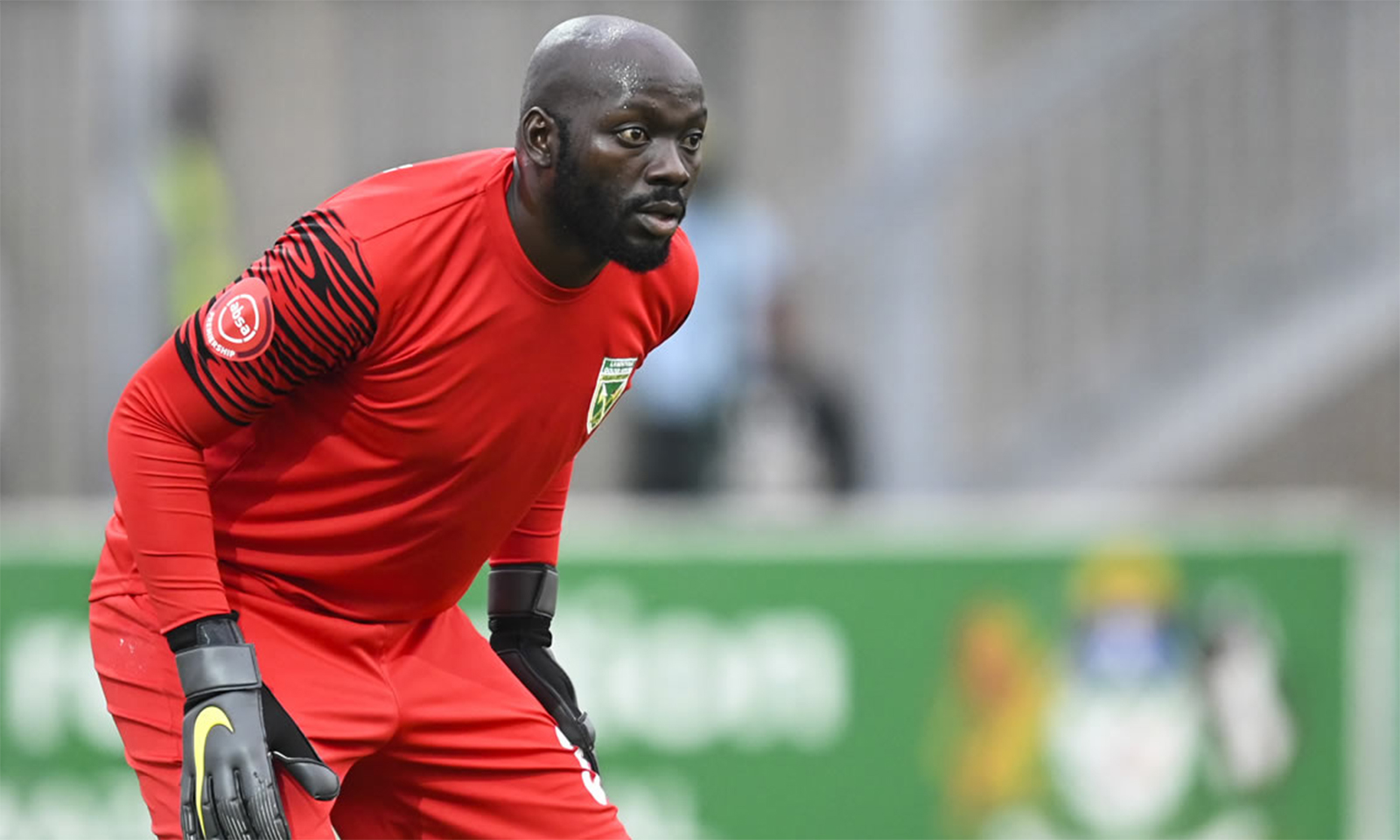
Veronica Gwaze
Zimpapers Sports Hub
IN the stillness of an early 2015 morning in Mvuma’s Newlands suburb, a hulking figure stirred restlessly in the yard, pacing between indecision and despair.
His body still looked like that of a professional athlete — broad-shouldered and powerful — but inside, Edmore “Zikeeper” Sibanda was unravelling.
He would wake up with the instinct to train, his muscle memory wired to stay match-fit.
But before he could lace up his boots, reality would intrude: There were no matches to prepare for, no contracts on the table and no team awaiting his return.
The world he once belonged to had moved on without him. What remained was silence, stigma and an overwhelming sense of betrayal.
It had been 31 months since Sibanda was banned from football.
The once-trusted CAPS United shot stopper, a dependable figure in the Warriors dressing room, had been caught in the dragnet of the Asiagate match-fixing scandal, Zimbabwean football’s biggest shame.
Accused of accepting bribes during friendly games played in Malaysia, Vietnam and Thailand, Sibanda was among a group of national team players and officials suspended indefinitely.
While the matches were not part of any official tournament, there were suspicions they had been arranged purely to manipulate betting markets across Asia.
In the public imagination, the verdict was instant.
Headlines screamed guilt. Fans recoiled. Clubs blacklisted him. There was no trial, no space for nuance and no room for protest.
And yet Sibanda maintains to this day: “I didn’t know what was happening. I had no idea.”
For Sibanda, the fallout was not just professional, it was deeply personal. His identity, once anchored in gloves, green turf and the roar of stadiums, now floated in limbo.
“It was like being trapped in my own skin,” he says, his voice soft. “I couldn’t play. I couldn’t earn. I was just . . . there.”
With no income, the former star, then nine years into a promising professional career, could no longer provide for his extended family of 10.
Once the breadwinner, he was now a burden. The emotional toll was staggering.
Those he once celebrated with — teammates, club officials and even friends — kept their distance.
Gossip spread, while judgement came thick and fast.
“It was the loneliest I have ever felt. I started to believe the silence,” he said.
Then, unexpectedly, a lifeline appeared.
Enter Prophet Walter Magaya of the Prophetic Healing and Deliverance (PHD) Ministries.
“I had never met him before,” Sibanda recalls. “But he found me. He reached out. He brought food, helped with school fees, checked on my parents.”
Week after week, Magaya came, not with press cameras or public fanfare, but with quiet consistency. The gesture was baffling and profound.
“He treated me like his own. I didn’t understand it at first. I still don’t,” Sibanda says. “He just asked that I don’t speak of it publicly.”
That unspoken bond became the start of a deeper relationship, one built not on contracts or celebrity, but compassion.
In late 2015, when the fog finally began to lift and his name was cleared, Sibanda found the doors of professional football still largely shut.
But Magaya had an answer. Yadah Gunners, the precursor to Yadah Stars, offered him not just a contract, but a second chance.
From that humble re-entry point, Sibanda’s rebirth was swift and stunning.
He rejoined CAPS United the following season, helping them clinch the 2016 league title. It was a comeback season made for cinema.
Then came the move to South Africa: Witbank Spurs, Golden Arrows and Tshakhuma Tsha Madzivhandila (TTM).
His commanding presence returned to the Warriors fold in 2019, selected for the Africa Cup of Nations in Egypt under Sunday Chidzambwa.
Once disgraced, he was now redeemed.
But, as his career peaked, life reminded him of how fragile that success could be.
In 2022, playing for TTM, disaster struck.
A brutal on-field collision left him with catastrophic injuries — swelling in the brain, a broken jaw and blindness in one eye.
He was rushed to the intensive care unit, his football future once again hanging by a thread.
“I don’t remember much of the day. I just remember waking up in hospital, unable to see properly, unable to speak,” he says.
The bills mounted fast. Savings evaporated. The game he gave his life to offered no safety net. Once again, friends, fellow internationals Nyasha Mushekwi and Marshall Munetsi, were the ones who stepped up to assist financially. They ensured he received top medical care.
But when the treatment ended, there were no clubs waiting. There were no recruiters, just the long road back to Mvuma, and silence.
And then the phone rang.
It was Magaya. Again.
“He had heard I was back home. He just said: ‘Come see me.’”
That conversation marked the beginning of another healing chapter. This time, not as a goalkeeper under pressure, but as a mentor. A teacher. A coach.
In the second half of the 2024 season, Zikeeper returned to Yadah, not between the posts, but as the goalkeepers’ coach. Slowly, he began training again. He was testing himself, feeling his body respond.
“Prophet reminded me of our journey in 2015. He said: ‘You’ve come back before; you can come back again.’ That stayed with me,” says Sibanda.
Now, once again donning the red and white of Yadah, Sibanda does not just see a jersey. He sees closure, purpose; a full-circle moment. But Asiagate still lingers like a stubborn ghost, a whisper from the past that refuses to leave entirely.
Even with titles, international caps and redemption arcs, Sibanda admits that some scars never fully fade.
“I try not to think about it,” he says. “But it’s always there, somewhere in the shadows.”
And yet there is peace now, not the type that comes from trophies or applause, but of the quiet kind, rooted in resilience.
In every save he makes during practice, every correction he gives from the touchline, there is a deeper meaning.
“I’ve lived two lives in football,” he says. “One where I lost everything, and one where I got it back.”
Maybe that is the story worth telling, not of scandal, but of survival; not of a man cast out, but of one who found his way back home.