Online Reporter
Stanford Chiwanga, Quality Editor
WHEN the music fades and the crowds disperse, most promoters leave behind nothing but footprints and flyers. Tonderai Rice leaves a legacy.
In Bulawayo’s entertainment scene — a space where big promises often collapse under the weight of reality — Rice has carved out permanence. His name is now shorthand for ambition, consistency, and cultural transformation. He has not only staged unforgettable shows; he has rewritten the rules of how artistes, audiences, and the industry coexist.
Rice’s journey didn’t begin with the glamour that now surrounds his name. It began with grit. He entered a market notorious for its “hit-and-run” tactics; book a trending foreign act, plaster the city with posters, and vanish before the sun rises. Many succeeded briefly, but few built a foundation.
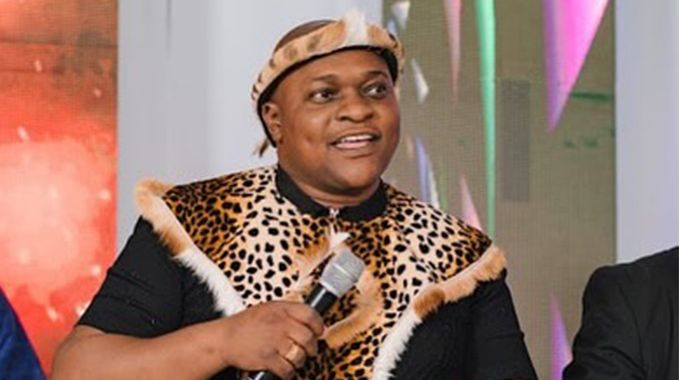
Rice, however, was paying attention to the gaps others ignored — specifically the sidelining of local talent. He realised that for Bulawayo to truly thrive, local musicians couldn’t be treated as fillers; they had to be the heartbeat of the show.
That realisation became the cornerstone of his philosophy. Rice did not attempt to reinvent the wheel; instead, he changed who was allowed to steer it.
His signature events — the ZITF Bulawayo Shutdown in April and the Bulawayo Shutdown in December — are now cultural milestones, but what sets them apart is not just their scale or spectacle. It is the deliberate integration of local and foreign talent, the insistence that Bulawayo’s artistes share the spotlight as equals.
At Rice’s shows, the posters, the billing, the sound checks, the stagecraft — all reflect a commitment to balance. Local acts are not relegated to early slots or treated as second-tier performers; they are positioned as co-anchors of the experience, commanding prime time and professional production values.

This approach has changed the game. In a space where some promoters still cheapen the value of home-grown talent, Rice has flipped the script. He has engineered a sense of occasion where a Bulawayo headliner can stand shoulder to shoulder with a visiting star without the faintest hint of inferiority. The result is a cultural shift; local pride meeting professional polish, and audiences learning to expect excellence from their own.
The ZITF Bulawayo Shutdown exemplifies this vision. What began as an after-party to the Zimbabwe International Trade Fair has evolved into a platform where the city’s energy, business footfall and musical ambition converge.
For many artistes, that stage is a springboard — a place where neighbourhood followings transform into city-wide allegiance. December’s Bulawayo Shutdown, on the other hand, is a grand finale, a festive crescendo that captures the pulse of the season.
It is a show that stitches together genres, generations and geographies, blending diasporan returnees with local die-hards in a celebration that feels distinctly Bulawayo. And again, local artistes are never an afterthought. Whether it is a veteran crowd-pleaser or a breakout star earning their first festival sunset slot, Rice curates his line-up like a narrative arc, not a hierarchy.

What makes Rice’s success enduring is his systems-driven approach. He has institutionalised practices that many promoters overlook; professional parity in stage specs and sound checks, marketing that frames local acts as co-headliners, clear contracts and prompt payments, and logistical support that honours the dignity of the artiste.
He has cultivated audiences through thoughtful curation, pairing local favourites with visiting stars to cross-pollinate fan bases. He has forged partnerships with venues, vendors and media that strengthen the local ecosystem beyond a single night. This is how a promoter becomes more than an event organiser — this is how a promoter becomes an institution.
Rice’s evolution has not been a straight line of victories; it has been an ascent built on iteration. Early venue bottlenecks informed later crowd-flow designs. Sound complaints became investments in engineering teams and gear.
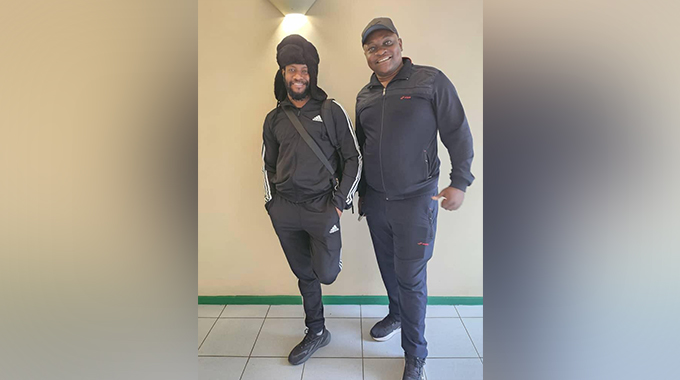
Marketing misfires turned into disciplined campaigns with staggered rollouts and community-driven hype. He listened to feedback from artistes and audiences alike and folded it back into the next production. Each shutdown show feels like a chapter in an ongoing playbook — familiar in brand, fresh in execution. That is how you keep a city coming back.
Perhaps Rice’s most profound contribution is cultural. In a market where too many organisers operate with extractive logic — using local talent as decoration to sell tickets for outsiders — Rice treats respect as currency.
When a Bulawayo artiste steps onto a Rice stage, they step into a space that tells them and the crowd: “You belong here, and your sound matters.” That message travels. It shows up in how young artistes carry themselves, how bands invest in rehearsal, how stylists and designers take gigs more seriously, how media frames local line-ups, and how audiences learn to expect excellence from home.
Promoters have come and gone in Bulawayo; some left good memories, others left unpaid invoices. Rice remains. The reasons are not mystical. He shows up, he pays up, he follows up. He puts the city at the centre of the spectacle and treats talent like partners, not props.

In doing so, he has reshaped the norm; a big show in Bulawayo can be commercially ambitious and culturally honest. If history is any guide, Rice will keep refining the machine — stronger regional collaborations that still put Bulawayo first, mentorship pipelines that prepare emerging acts for big stages, more immersive production design, smarter data around ticketing and fan engagement, and deeper partnerships with brands that value continuity over clout. But whatever the refinements, the core is unlikely to change: Rice’s stages are where Bulawayo’s artistes stand tall — not as supporting characters to someone else’s story, but as the authors of their own.
While many promoters flicker and fade, Tonderai Rice has become a fixture — perhaps the fixture. Not because he shouts the loudest, but because he listens the longest. Not because he follows trends, but because he sets standards. In Bulawayo’s living soundtrack, his contribution is clear; he didn’t just put on shows. He raised the stage.