Stephen Mpofu
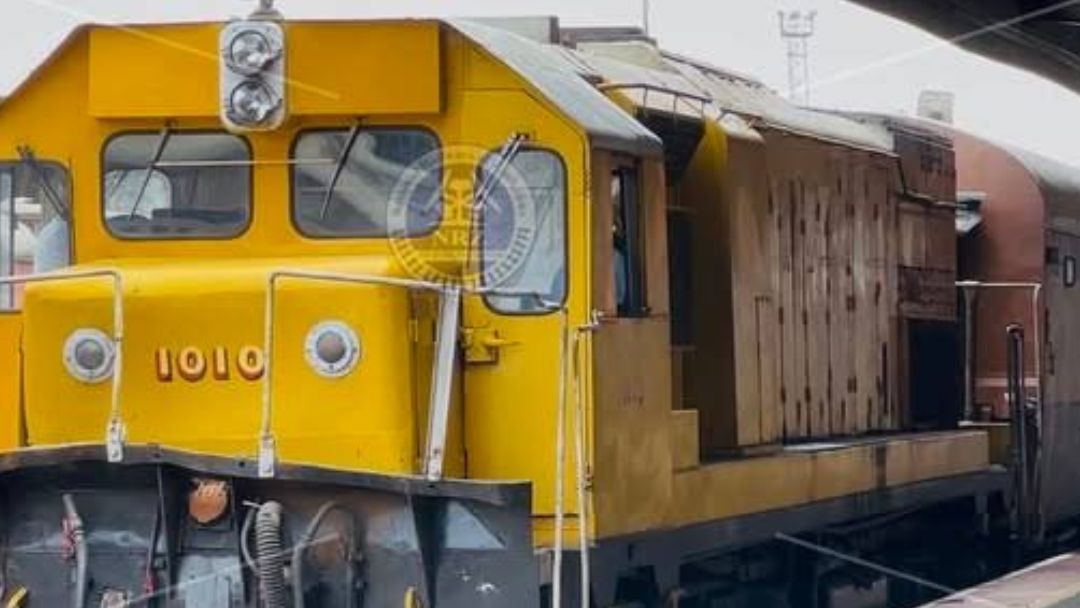
THE National Railways of Zimbabwe’s (NRZ) partnership with Grand Rail Solutions (GRS) offers fresh prospects for strengthening the country’s rail network, expanding freight capacity and generating revenue that could, over time, support the return of passenger train services.
With many roads, including major highways, requiring rehabilitation, a revitalised railway system could provide Zimbabweans with affordable transport while improving the movement of goods across the country.
Although no date has been set for the resumption of passenger services, strengthening freight operations represents an important step towards rebuilding the railway’s capacity.
An NRZ spokesman said the organisation was prioritising freight services, which generate revenue needed to acquire modern coaches, replace its ageing fleet and rehabilitate sections of the railway network that have deteriorated.
At present, only one passenger train operates between Bulawayo and Victoria Falls, highlighting the potential for investment to restore services on additional routes.
The NRZ-GRS agreement presents an opportunity to increase freight volumes and improve the availability of locomotives and wagons.
According to an NRZ statement carried by this paper two days ago, the first phase of the agreement will see 1,1 million tonnes of coal transported to Mvuma annually, alongside 600 000 tonnes of steel and related products, including pig iron and steel billets.
Together, these volumes will bring 1,7 million tonnes of cargo onto the NRZ network, with GRS paying the railway operator according to the tonnage transported and the distance covered.
Speaking in an interview, GRS director Mr Linos Masimura said his company would repair NRZ locomotives and wagons while procuring an additional 1 160 wagons and locomotives from South Africa or India.
He said the first 14 locomotives were expected to arrive within two weeks.
The investment could strengthen railway operations, improve the movement of industrial goods and establish a stronger revenue base for future infrastructure improvements. More efficient freight services would also benefit businesses that depend on reliable transportation of raw materials and finished products.
Potential benefits for passengers will depend on how effectively the additional freight business translates into resources for rehabilitating railway lines and acquiring modern coaches. Sustained investment could bring affordable passenger services closer to reality, reconnecting communities and providing an alternative to road transport.
The need for improved transport infrastructure is evident on routes where deteriorating road conditions have made travel difficult. Reports indicate that potholes on the Victoria Falls Road out of
Bulawayo have made some sections challenging for small vehicles to navigate. Parts of the highway connecting Bulawayo to Zvishavane and Masvingo have also reportedly deteriorated, creating difficulties for loaded freight trucks and other road users.
Rehabilitating these routes would improve safety, reduce transport costs and facilitate the movement of people and goods. Restoring the railway network would complement these efforts by providing additional capacity for passengers and freight.
Rural communities stand to benefit considerably as better roads would enable buses to reach more villages, while rehabilitated railway lines could reconnect communities to major towns and commercial centres. Farmers would find it easier to transport produce to markets, while patients and learners would benefit from improved access to health facilities and schools.
Reliable transport is essential for economic participation, particularly for communities with limited alternatives. An affordable passenger train service, operating alongside a rehabilitated road network, could help reduce travel costs and expand access to markets, education and essential services.
Zimbabwe’s development agenda, guided by the principle that no one and no place should be left behind, provides a compelling basis for sustained investment in both road and railway infrastructure. The NRZ-GRS partnership offers an opportunity to strengthen freight operations while laying the foundations for broader improvements in rail services.