Chronicle Editor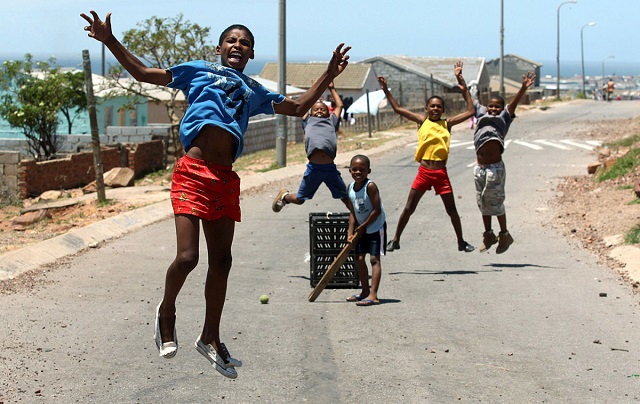
Yoliswa Dube-Moyo
In times past, children in many homes would feign illness just so they could skip school.
It would take several nudges and prods to get them out of bed, into the bathroom, dressed and ready for school.
Drama at the breakfast table preceded by a high pressure morning were the order of the day.
Most parents and children alike would look forward to weekends and holidays; just so they could put their feet up and do nothing for a change.
But tables have since turned. Following the Covid-19 pandemic and lockdowns imposed to slow the spread of the coronavirus, children miss school and parents wouldn’t mind having back those dramatic mornings during the school term.
Everyone wishes they could have their life back as they knew it. There’s no more play dates, club sports, drama club or choir practice.
No more night out at the family’s favourite restaurant or fairs and festivals to let their hair down.
Everyone should stay at home as much as possible, health experts recommend.
The Covid-19 pandemic has changed life as we know it and the confinement is starting to take its toll on both children and their parents.
School closures, working remotely and physical distancing is a lot to navigate for anyone.
Sadly, parents might be losing a grip on their children at such a crucial time – when the infection rate in communities continues to soar.
Because they’re tired of staying at home, some children are seen playing on the streets with their neighbours in fairly large groups.
They go about maskless, they don’t keep social distance and quite frankly most of them don’t practise cough etiquette or wash their hands frequently.
It only takes one infected child from that group to spread the virus to others.
While most children typically don’t get as sick as adults infected with the coronavirus, the fact remains that they can fall ill and spread the virus to others – young and old.
This is why it is important to keep children at home, not in the neighbourhood.
According to research, children with underlying conditions, such as obesity, diabetes and asthma are at higher risk of serious illness with Covid-19.
Children who have congenital heart disease, genetic conditions or conditions affecting the nervous system or metabolism are also at higher risk of serious illness with Covid-19.
It is not enough to keep children away from the hassle and bustle of the central business district.
Efforts need to be made to ensure that they don’t stray out of the gate unsupervised.
Now is a good time to engage in various activities as a family. Play board games, soccer, hopscotch, musical chairs, stuck in the mud, cops and robbers, country game, jump rope, skipping – anything to keep the family entertained and away from the sedentary lifestyle.
Some children are privileged to be learning online; now is a good time to get involved with their school work and not leave everything to the helper.
Teach them how to cook, paint or bake. Do arts and crafts projects using old cardboard boxes, tins, paper, glue and crayons. Get them involved with your gardening and other chores around the house.
If you’re an essential service worker yourself and don’t spend much time at home, give them tasks whose progress you check on at the end of each day.
If you have a toddler, not being able to take them to nursery school is not the end of the world.
Read and learn about how to teach them different things and do it yourself.
Create songs about the potty, washing hands or brushing teeth to keep things exciting and in the process make them eager to learn.
For the older children; it is important to keep them safe online, now that they spend so much more time on cyber space.
Have an honest dialogue with your children about who they communicate with and how. Make sure they understand the value of kind and supportive interactions and that mean, discriminatory or inappropriate contact is never acceptable. If your children experience any of these, encourage them to tell you or a trusted adult immediately. Be alert if your child appears to be upset or secretive with online activities or if they are experiencing cyberbullying.
Work with your child to establish rules on how, when and where devices can be used and check that your child’s device is running the latest software and antivirus programs, and that privacy settings are on.
Keep webcams covered when not in use. For younger children, tools such as parental controls, including safe search, can help keep online experiences positive.
Your child should never have to provide a photo or their full name to use online educational resources.
Remember to check the privacy settings to minimise data collection. Help your child learn to keep personal information private, especially from strangers and create opportunities for your child to have safe and positive online interactions with friends and family.
Video calling grandparents and other relatives every now and then are part of what make healthy interactions.
Connecting with others is more important than ever at the moment and this can be an excellent opportunity for you to model kindness and empathy in your virtual interactions.
Help your child recognise and avoid misinformation and age-inappropriate content that may increase anxiety about the Covid-19 virus.
Many digital resources from credible organisations such as Unicef and the World Health Organisation are available for you and your child to learn about the virus together.
Spend time with your child to identify age appropriate applications, games and other online entertainment.
Take this time of confinement as an opportunity to spend more time with your children and build stronger bonds with them. – @Yolisswa



 Online Reporter