shloboe boe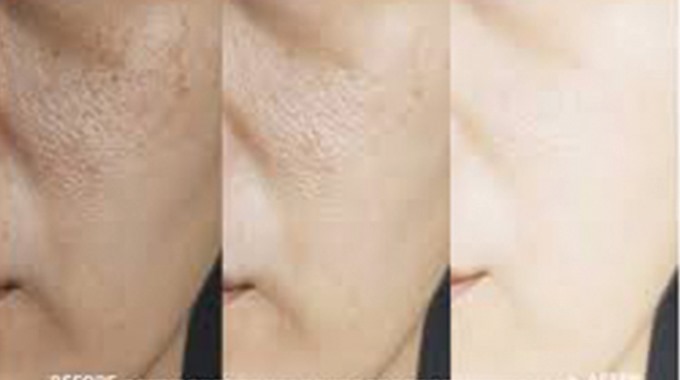
Taygeta Zihwi and Amos Mpofu, Chronicle Writers
IN recent years, society’s standards of beauty have shifted dramatically, and with these changes, a new wave of cosmetic procedures and beauty additives has taken centre stage. Women across the globe are increasingly opting for breast implants, buttock augmentations, body contouring, and skin bleaching treatments in the hope of achieving a more “ideal” body type, one that is defined by fuller curves, enhanced breasts, and lighter skin tones. These alterations are seen not just as cosmetic enhancements but as tools for social validation, a way for women to meet societal expectations and, often, their own desire to align with a beauty ideal that is continually reinforced by media, influencers, and pop culture. As a community psychologist, it is impossible to ignore the profound psychological and physical effects these choices have on women, both in the short and long term.
From an early age, women are exposed to a relentless barrage of images that showcase a highly curated, digitally altered standard of beauty. Whether it’s through advertisements, social media influencers, or even celebrity culture, the message is clear: the ideal woman has flawless skin, an hourglass figure, and a lightened complexion. These standards are not just visual, they are deeply ingrained in the cultural fabric, creating pressures that women feel they must meet in order to feel accepted, valued, or successful. As this ideal becomes more pervasive, the pressure to modify one’s body to fit in has only intensified, leading many to turn to cosmetic surgery or bleaching products to achieve the desired look. The growing demand for breast implants, liposuction, and buttock enhancements, as well as the rise in skin bleaching treatments, speaks to a larger cultural phenomenon, one that is driven by a desire to conform to an idealised image of beauty.
For many women, the decision to undergo these procedures is not made lightly. While some might see them as a means to enhance their self-esteem, for many others, they are a response to the societal pressures that demand perfection. The immediate effects of these procedures can often be physically dramatic. Breast implants, for example, can lead to complications such as infections, changes in breast tissue, and the potential need for future surgeries. Buttock augmentations, particularly those that involve fat transfer, carry the risk of fat embolism, which occurs when fat enters the bloodstream and blocks vital arteries, sometimes leading to life-threatening situations. The rise of skin bleaching, too, can have serious consequences. Products containing harsh chemicals such as hydroquinone or mercury can damage the skin, causing irritation, thinning, and long-term damage that can lead to an increased risk of scarring and other skin conditions.
These procedures, while providing an immediate change in appearance, often come with significant risks that can affect the body in ways that last far longer than the temporary satisfaction of a physical transformation. But the true costs of these choices are not just physical, they are deeply psychological. In the short term, many women report feeling an initial sense of satisfaction, a boost in self-esteem, or greater confidence in their appearance. But this temporary satisfaction can quickly wear off as the need for further modifications or adjustments takes over. The psychological impact of these procedures can be profound, as it often leads to a distorted sense of self-worth and an on-going quest for an unattainable standard of perfection. Women may become trapped in a cycle of seeking additional surgeries or products in an attempt to maintain or improve their appearance, never fully satisfied with the results and often facing deeper dissatisfaction over time.
The rise of body modifications and skin lightening treatments cannot be viewed in isolation from the culture that fosters them. Social media plays an enormous role in shaping perceptions of beauty.
Platforms like Instagram, where heavily filtered and edited images of women abound, perpetuate a version of beauty that is not only unrealistic but often unattainable without significant intervention.
Influencers and celebrities who openly embrace cosmetic procedures send a powerful message that beauty is something to be bought and sculpted, rather than something that comes from within. This has led to an environment where women are not just influenced by celebrities but also by their peers often with devastating results. As these beauty standards become more pervasive, the pressure to conform grows, and women, particularly younger ones, internalise the message that their value is directly tied to how closely they can approximate this ideal.
From a community psychology perspective, the growing trend of body modifications reveals a deeper, troubling issue – the disconnection between women’s true identities and the ideals they are encouraged to pursue. Women are increasingly turning to external validation through their physical appearance, yet this constant pursuit of an ideal body can have serious consequences for their mental health. Research shows that when individuals place a disproportionate amount of importance on their appearance, it often leads to psychological distress, including anxiety, depression, and body dysmorphia a disorder in which individuals obsess over perceived flaws in their appearance, often leading to compulsive behaviours like excessive cosmetic procedures.
In the long term, this emphasis on external appearance can undermine self-esteem and create an unhealthy reliance on others’ perceptions. Women may become so fixated on fitting a certain mold that they lose sight of their own intrinsic value and unique attributes. The pressure to constantly enhance or modify one’s body can be exhausting, both emotionally and financially. For many, this journey towards perfection can feel like an endless cycle, one that often does not result in greater happiness or satisfaction. Instead, it can exacerbate feelings of inadequacy and perpetuate a sense of never being “enough.”
The cultural emphasis on appearance also diminishes the importance of other qualities that contribute to a person’s sense of worth such as intelligence, kindness, creativity, resilience, and emotional intelligence.
The focus on enhancing the body rather than nurturing the mind or spirit further reinforces the idea that a woman’s value is primarily in how she looks, not who she is. This creates a society where worth is conditional and contingent on external appearance, which can lead to isolation, depression, and a profound lack of self-acceptance.
For community psychologists, the challenge lies in helping society shift the focus from appearance-based value to a more holistic understanding of self-worth. This requires a cultural shift, one that de-emphasises the notion of a “universal” beauty ideal and celebrates the diversity of bodies, skin tones, and features. It also requires providing women with the tools and support they need to develop a strong sense of self that is not reliant on external validation. Through education, media literacy, and mental health support, we can help foster an environment where women are empowered to make informed choices about their bodies, free from the pressures of conforming to an ideal that is not only unrealistic but also harmful in the long run.
The rise of cosmetic additives and body modifications reflects a broader societal trend where women are increasingly judged by their physical appearance, often at the expense of their mental and emotional well-being. While cosmetic procedures may offer temporary satisfaction, they come with risks and long-term psychological costs that should not be overlooked. Our focus should shift towards promoting a more inclusive, diverse, and holistic view of beauty; one that values women for who they are, not just how they look. By doing so, we can begin to break the cycle of body modification and create a society where women can feel truly empowered in their own skin.


 Online Reporter