

 admin
admin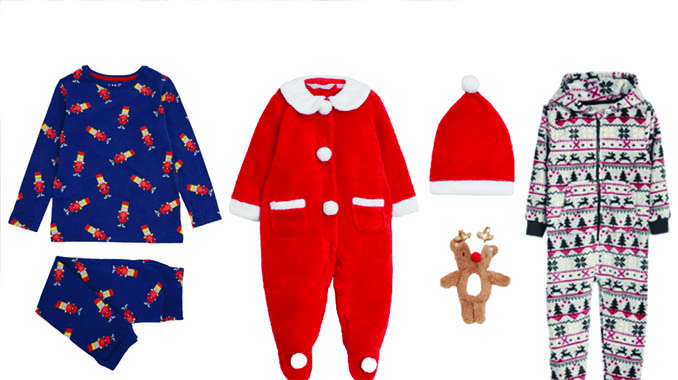
Lifestyle Writer
The history of Christmas pyjamas is deeply intertwined with the festive spirit, representing comfort, unity, and celebration.
For decades, families across the globe have embraced this cosy trend, making it a cherished part of their seasonal traditions.
While matching Christmas pyjamas might seem like a modern phenomenon, their roots go back much further, tying into the broader history of pyjamas timeline, which dates back centuries.
Originally a practical garment designed for comfort and modesty, pyjamas have evolved significantly in style and purpose, blending functionality with fun.
In the context of Christmas, pyjamas take on a unique role, symbolising togetherness and helping to create picture-perfect festive memories.
To understand how matching Christmas pyjamas became a cultural phenomenon, we must trace their beginnings to post-war America in the 1950s.
During this era, family values were at the heart of the American dream, and holidays became a key time for togetherness and celebration.
Inspired by the evolving pyjamas origin, manufacturers began to produce festive-themed sleepwear designed to be worn by all members of the family.
These pyjamas often featured cheerful patterns like snowflakes, Christmas trees, and reindeer, capturing the essence of the season.
So, when did pyjamas become popular?
While their use as sleepwear dates back centuries, pyjamas gained widespread popularity in the West during the early 20th century, as they became more accessible and fashionable.
By the mid-century, matching sets for families were introduced, tying into the broader trend of family-centric marketing and holiday traditions.
Christmas pyjamas quickly became a staple of festive celebrations, offering both comfort and an easy way to create cherished family photos.
There are many reasons why people love the tradition of matching Christmas pyjamas.
For families, it’s an opportunity to create a sense of unity and togetherness during a busy season.
The act of donning coordinating sleepwear becomes a bonding experience, especially for children who delight in matching with their parents and siblings.
Matching PJs are also practical.
Whether you’re gathered around the tree unwrapping presents, enjoying a festive breakfast, or cosying up for a Christmas movie marathon, they add an extra layer of comfort. They also serve as a fun and festive touch in Christmas photos, creating memories that last a lifetime.
Starting your own tradition with family Christmas pyjamas is a simple yet meaningful way to bring your loved ones closer together.
It’s an annual ritual that everyone looks forward to, building excitement as the festive season approaches. Whether you’re continuing a long-standing tradition or starting fresh, Christmas pyjamas are the perfect way to infuse your celebrations with warmth and joy.
Over the years, Christmas pyjama styles have expanded to suit a variety of tastes and preferences.
From classic patterns like red-and-green tartan to playful designs featuring Santa Claus, reindeer, and snowflakes, there’s something for every family to enjoy.
In addition to patterns, the styles themselves have evolved.
Whether you prefer soft cotton, warm fleece, or breathable fabrics, there’s a style to suit every family member. The wide variety of designs ensures that everyone can find something they love, making Christmas pyjamas a truly inclusive tradition.
With Christmas around the corner, many parents and couples run to the stores to buy Christmas pyjamas for their families and partners. It is a tradition most have heard of and participate in — but why?
Kevin Williams, a USU student, said, “Christmas is the day to be lazy, completely lazy, and not get out of our pajamas all day,” Williams said.
“Then somebody was like, ‘Well, we might as well match,’ and we’re all in the house all day wearing pyjamas.
Another USU student, Caleb Taylor, shared his thoughts.
“It makes the holidays more fun when everyone is engaged in the same kind of family activity,” he said.
Social media has made matching jammies a viral sensation in the last decade.
The most recent example is from the YouTube channel of the Dean and Kim Holderness family.
“I think it’s really cute, and I like how they’re all matching,” said USU student Olivia Arosva.
But you don’t need to have a big following to show off your Christmas spirit. Families now show off their matching outfits on Instagram. The hashtag #christmasjammies has 195k posts of families donning red and green matching PJs.
The most recent trend regarding Christmas sleepwear, however, is couples.
USU student Ashley Herbert said it can even mean a step forward in your relationship.
“I would say the more serious you are, the more likely you are to get Christmas pajamas together,” Herbert said.
A New York Times article titled “Will you be alone for matching pyjamas season?” explores the new trend and how single adults view it as somewhat isolating.
“I could see why people are upset about couple matching jammies,” Arosva said.
“I think they’re so fun. I also think that just getting matching Christmas pyjamas with your friends is just as fun.”
With Christmas pajamas gaining so much traction over the years, many wonder how the tradition began.
Debbie Sessions, a fashion historian, addressed this question on her Instagram page @vintagedancercom.
“Matching sets for parents and children and couples took off in the 1950’s and continued off and on into the ’60’s, ’70’s, and ’80’s,” Sessions said.
However, fashion historian Kimberly Chrisman-Campbell, who wrote for The Atlantic earlier this year, argued family coordinating outfits started earlier. She said they stem from “Mommy-and-me” fashion in the late ’30s and early ’40s.
In her article, Chrisman-Campbell stated, “Mother-daughter fashions reinforced the primacy of the domestic sphere.”
Perhaps it could be inferred that matching clothes — including Christmas sleepwear — were produced by clothing manufacturers to re-emphasize the nuclear family and return to the “domestic sphere” after World War II.
Unfortunately, there is no single reason why Christmas pyjamas are now a big hit, but families and couples should expect them to stick around.



 Online Reporter