Chronicle Editor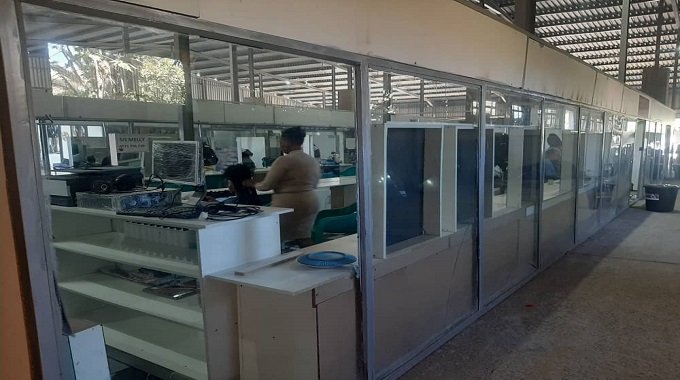
Peter Matika
IT’S not far-fetched that Bulawayo could become known as the flea market capital of Zimbabwe.
With at least six flea market establishments being turned into state-of-the-art enterprises, flea market owners feel the new designs will attract local and out-of-town shoppers for reasons both financial and sentimental.
“They find items here that you can’t find at the big stores,” said Barbara Ndlovu, who runs Star Revenue Complex in the city centre.
Ndlovu rents out space in a large building to vendors looking to make extra money from various goods and services.
“People find goods and services in a one-stop complex, there are saloons, hardware, clothing shops and superettes, the only thing that is not available here is a fast-food takeaway,” said Ndlovu.
She said before the new trend of demarcated stalls there was less demand for occupation than now.
“Even the clientele has increased. There is so much demand for occupation now that I have turned this complex into a middle-income shopping complex,” said Ndlovu.
A stall holder said running a stall at a flea market was no longer embarrassing.
“Back then being associated with the flea market business was embarrassing but this is an entrepreneurship that one needs not to feel ashamed,” said Thulani Sibanda, who is employed at a stall at the complex.
More than a dozen flea markets have opened in Bulawayo in the last several years.
The establishment of these flea markets have seen most unemployed youths empowering themselves, as they have managed to turn into entrepreneurs.
“Those in the business believe that flea markets and other places specialising in resale activity and small-scale business fill an important niche as commerce continues its migration from food to development,” said Bukhosi Dube who runs a stall at BL Fountain Flea Market in the CBD.
He noted that some of the products that were on sale were second-hand clothing bales, which were high on demand.
“As prices continue to rise, consumers tend to prioritise products that are optimised for reuse. The shift toward what people call round economy makes the flea market concept an excellent one for buyers and sellers alike,” said Dube.
While traditional shops and malls have faced enormous headwinds over the years, the flea market industry has remained resilient, successfully weathering the change in consumer spending patterns.
Locally, the markets appeal to a sense of adventure that many bargain hunters find alluring.
“I think there’s a variety to help people find what they’re looking for,” said a lady who preferred to go by Patricia at Amaya Mall in Bulawayo.
“I think a lot of it is the thrill of the hunt and saving money,” she added.
The flea markets are mostly indoor hubs and are different from the outdoor set-ups that entrepreneurs had to contend with weather scenarios and other natural-like conditions that are a thing of the past.
Now the flea markets provide a homely shopping environment in a one-stop shop setup.



 Online Reporter