Andrew Mangwarara
EVERY garden needs a good tree and choosing a native species ensures it remains sustainable and environmentally friendly.
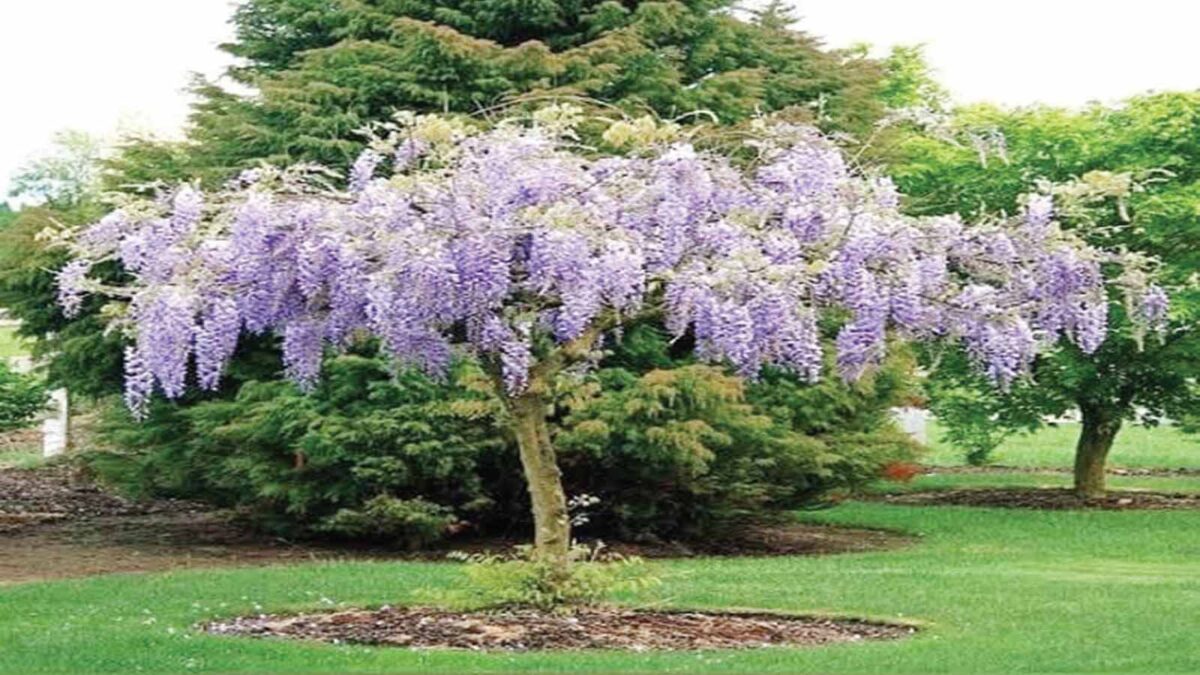
One outstanding candidate is the tree wisteria, botanically known as bolusanthus speciosa.
Native to Central and Southern Africa, this attractive tree could easily rival the exotic jacaranda if given the chance.
Although briefly deciduous, it remains a highly appealing landscape feature.
It is a slow-growing small to medium-sized tree — well worth the wait — that reaches heights of four to 12 metres and can be grown with single or multiple stems.
Its deeply fissured bark adds distinct visual interest, while its mauve flowers bloom from January to August, providing striking competition to other purple-flowering species.
Because of its modest size, the tree wisteria is ideal for smaller gardens and can even be cultivated in a pot to adorn patios or confined spaces.
To germinate the seeds, soak them overnight and plant them lightly in river sand, covering them to no more than twice their size.
Once established, bolusanthus speciosa is remarkably resilient, capable of surviving periods of drought and moderate frost.
Beyond its ornamental value, the tree produces extremely hard, termite-resistant wood that is ideal for carpentry and fencing posts.
Its roots and inner bark have also traditionally been used to treat stomach issues and abdominal cramps.
Given its beauty, versatility and valuable hardwood, the tree wisteria easily ranks among the finest garden trees and is rightfully protected by law in neighbouring South Africa.
If you would like to be featured in our green-up campaign, contact us on: [email protected] or [email protected]