Chronicle Editor
Leonard Ncube, [email protected]
A successful event relies heavily on the skills of a Master of Ceremonies (MC), who acts as the bus driver of the occasion, guiding all proceedings to a seamless conclusion.
At formal corporate events, the MC may alternatively be referred to as the Director of Ceremonies. Regardless of the title, the role remains the same; hosting and managing the event to ensure an engaging and smooth experience for all guests.
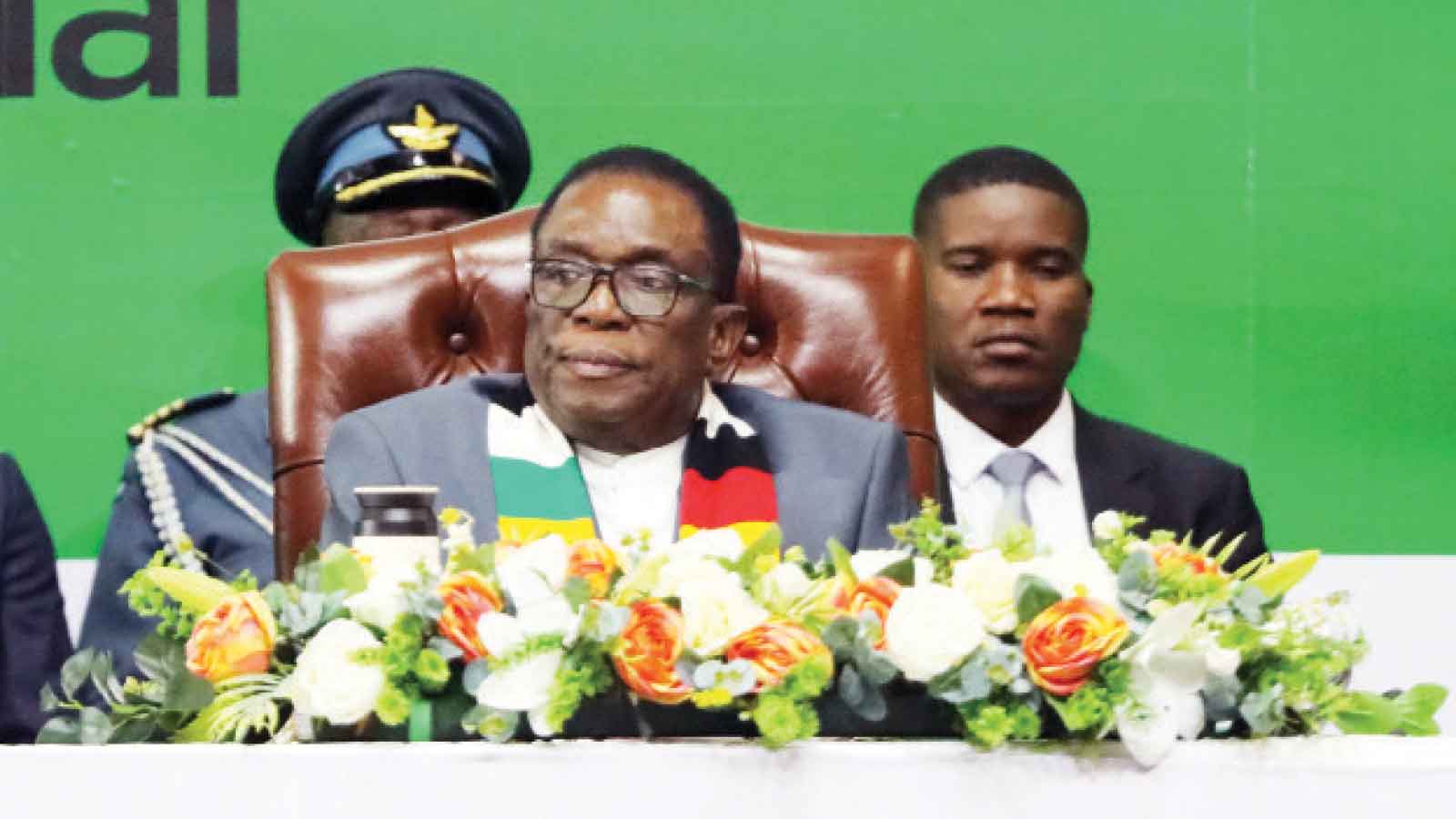
In Zimbabwe, MCs sometimes playfully refer to themselves as EDs (Events Directors), borrowing the initials of President Mnangagwa, which often leads to light-hearted moments.
The MC’s duties include introducing speakers, performers, and the event itself, keeping everything on schedule, making announcements and ensuring an entertaining atmosphere.
They are also responsible for managing unexpected issues, keeping the audience engaged, and adapting to the event’s tone and purpose.
While the Director of Ceremonies takes a more strategic role in the planning and execution of the event, the MC lives in the moment and interacts with the audience, connecting them with high-profile dignitaries.
Good communication skills, quick thinking, and organisational abilities, along with public speaking or event management experience, are essential traits for a successful MC.
Professional MCs often come from backgrounds in acting, comedy, music, event planning, journalism, and community leadership, along with other disciplines.
Their ability to energise and engage the audience, make smooth transitions between segments and keep everything organised helps them drive any event from a grand gala to a store opening.
Some MCs go the extra mile, meeting with organisers and performers before the event to immerse themselves in their stories. Since the events are different, the best MCs can be subjective, but one that lacks the essential skills may dampen the mood. At state functions, an MC’s role may be assumed by the state heads of departments alongside a professional MC who runs the show.
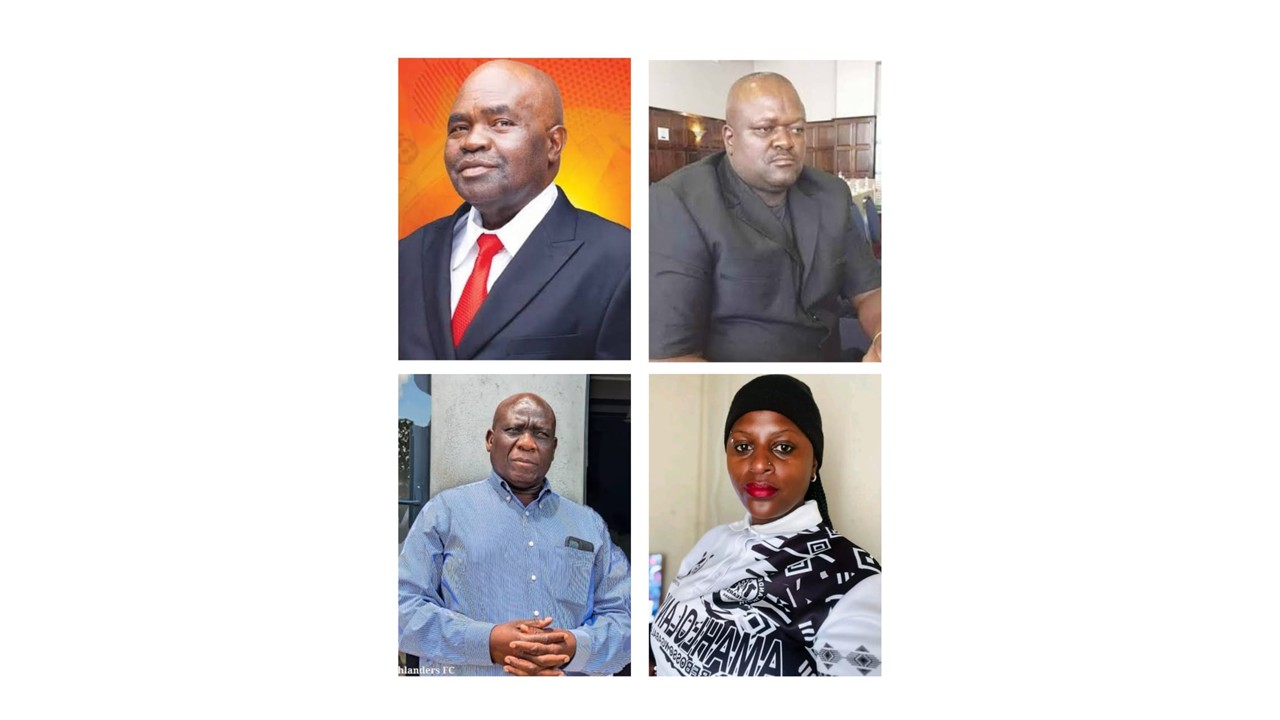
In Zimbabwe, Permanent Sibanda is known for his permanent MC role at state functions such as Independence Day, Heroes Day, and Defence Forces Day events in Matabeleland North.
Sibanda is the chairperson of the Zanu-PF Lupane District Co-ordinating Committee.
For the Defence Forces Day, he co-hosted with Zimbabwe National Army’s Warrant Officer Class 2, Khulumani Nkomo, from 1.2 Infantry Battalion in Hwange, and Corporal Mbongeni Ncube.
While some MCs resort to cracking jokes to lighten the mood, Nkomo and Ncube earned their spots through their expertise, with Ncube rising from smaller internal functions to bigger ones.
At Independence Day celebrations in the province, Nkomo traditionally co-hosted with Chief Superintendent Siphiwe Makonese from the police. Makonese was recently transferred from Matabeleland North to Esigodini in Matabeleland South.
Victoria Falls, as a popular conference venue, has welcomed several directors of ceremonies from across the country, including locally renowned praise poet Obert Dube who started mastering ceremonies in 2009.
“I started at school during the Better Schools programme, and I have been an MC at various events, including festivals and corporate functions,” said Dube.
Being an MC isn’t just about managing events, it’s about fostering a sense of unity and joy by creating moments of connection and celebrating everyone’s unique story.
Recently, World Vision enlisted Grade 5 pupils Sikhumbuzo Moyo and a female classmate to co-host an event to commission a water project at BH42 Primary School in Lupane, in an effort to catch them young. The pupils co-hosted with Gogo Secondary School teacher Fezile Dlomo. − @ncubeleon.Apitam fugia vent aut alit omnisimus incti berum aut ea


 Online Reporter