Trust Khosa
WHILE it captured the imagination of a country and fuelled bar debates, insiders say the “Sungura War” that pitted Alick Macheso against Tongai “Dhewa” Moyo was largely a creation of fans’ imagination.
Once upon a time, the Macheso and Dhewa split the local musical industry in half as fans rallied behind their artist of choice during the battle for Sungura supremacy.
So heated was the debate that some fans would exchange blows or trade unprintable words whenever the subject arose.
For neutral observers, however, it was a healthy debate that kept both camps on their toes, with the musicians continuing to entertain their respective fans on and off the stage.
Fifteen years after Dhewa’s death, the debate still rages on with some fans still backing him while others continue to regard Macheso as the King of Sungura.
Dhewa died on October 15, 2011 aged 43, after a long battle with cancer.
His son, Peter Moyo, who has partnered Macheso at several shows, remains a key link between the two musical legacies.
“Macheso and Dhewa were never rivals, from my understanding, but fans will always be fans,” Macheso’s publicist, Tichaona Makahamadze, told Zimpapers Arts and Entertainment Hub.
“They would call each other and laugh about the issue because they were both musicians.
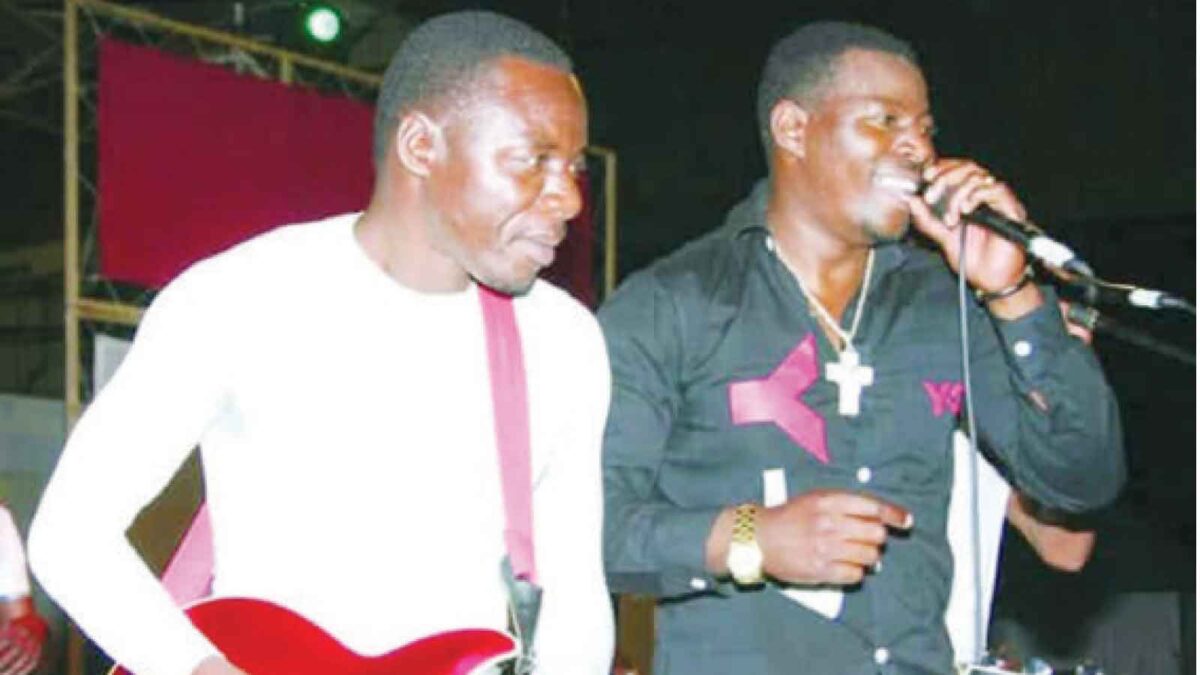
“Each time they got an opportunity to share the stage, Macheso would join him, playing the bass guitar while Dhewa strummed the lead guitar.
“If you have noticed, we celebrate Dhewa’s life every year on his anniversaries, and this time we are remembering him on Friday.”
Makahamadze also praised Peter for respecting Macheso as a father figure.
“If you have noticed, Baba Sharon has a soft spot for Dhewa’s children, which is why he respects them and partners them whenever they commemorate their father’s legacy.
“This Friday, a strong statement will be made as we all celebrate Dhewa’s life 15 years after his death.
“Those in showbiz will understand how the industry operates. It is their right to expect more and to be pleased as fans.
“We have no control over their feelings,” he added.
Peter has chosen to celebrate Macheso as a father figure.
“I can’t dwell on the past or what people thought but Macheso is a father figure to us and no one can come near him at the moment,” said Peter.
“I can swear that the remaining sungura artists have plenty to learn from him and I can brag that he is top of the rest.
“In my case, I am glad because he has been supportive of us.
“He makes sure that whenever we commemorate my father’s anniversary, he partners us if he is available.
“I have also learnt a lot from him as a musician.”
Renowned arts consultant and events management guru, Benjamin Nyandoro, also weighed in, saying:
“In the once so-called Tongai-Macheso rivalry, I didn’t see any beef but positive energy.
“We are blessed to have lived during their generation and all we witnessed was good music.
“It was a marvel seeing Macheso playing the bass guitar while Dhewa was on the lead.
“Of course, fans would go wild but the two gentlemen shaped the music industry.”
In other regional countries, such as the Democratic Republic of Congo (DRC), perceived rivalries between musicians have existed for years.
For instance, Koffi Olomide and Papa Wemba were perceived to be enemies, while another rivalry was created between Werrason and JB Mpiana.
Similarly, Fally Ipupa and Ferre Gola are also believed to have a rivalry, which has largely been fuelled by fans.
Ultimately, fans will always create rivalries while their musical idols may be enjoying cordial relationships away from the public eye.