Online Reporter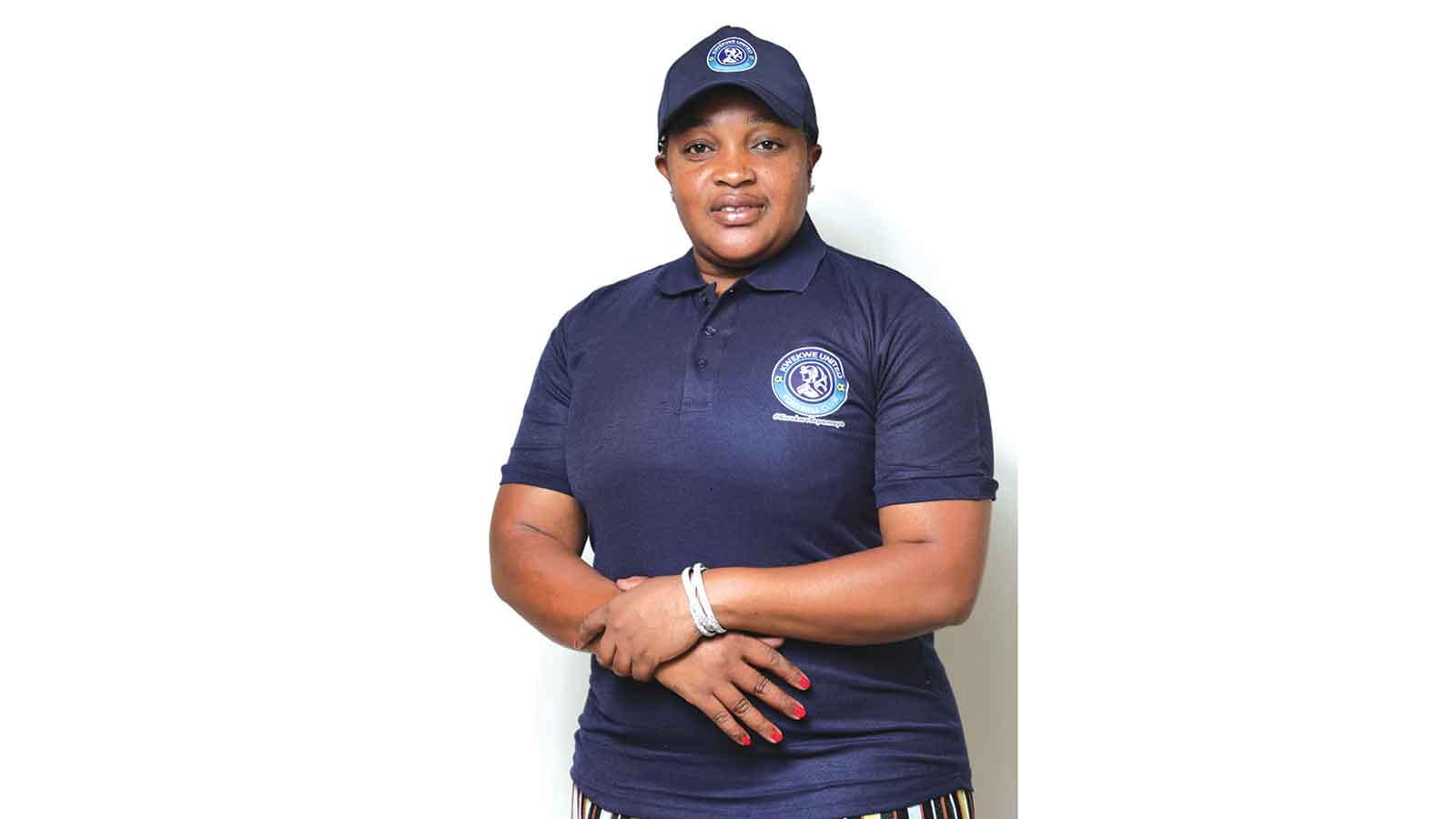
Simba Chiminya-Zimpapers Sports Hub
WHEN Bridget Mudhosi first took her seat at the head of the boardroom table as president of Kwekwe United, there was nothing ceremonial about it.
No applause. No cameras. No grand speeches. Just files, financial statements and a club that had just slipped out of the Castle Lager Premier Soccer League (PSL) into Division One, carrying the scars of a season that exposed how thin its foundations had become.
“It’s been tough and unbelievable,” Mudhosi says.
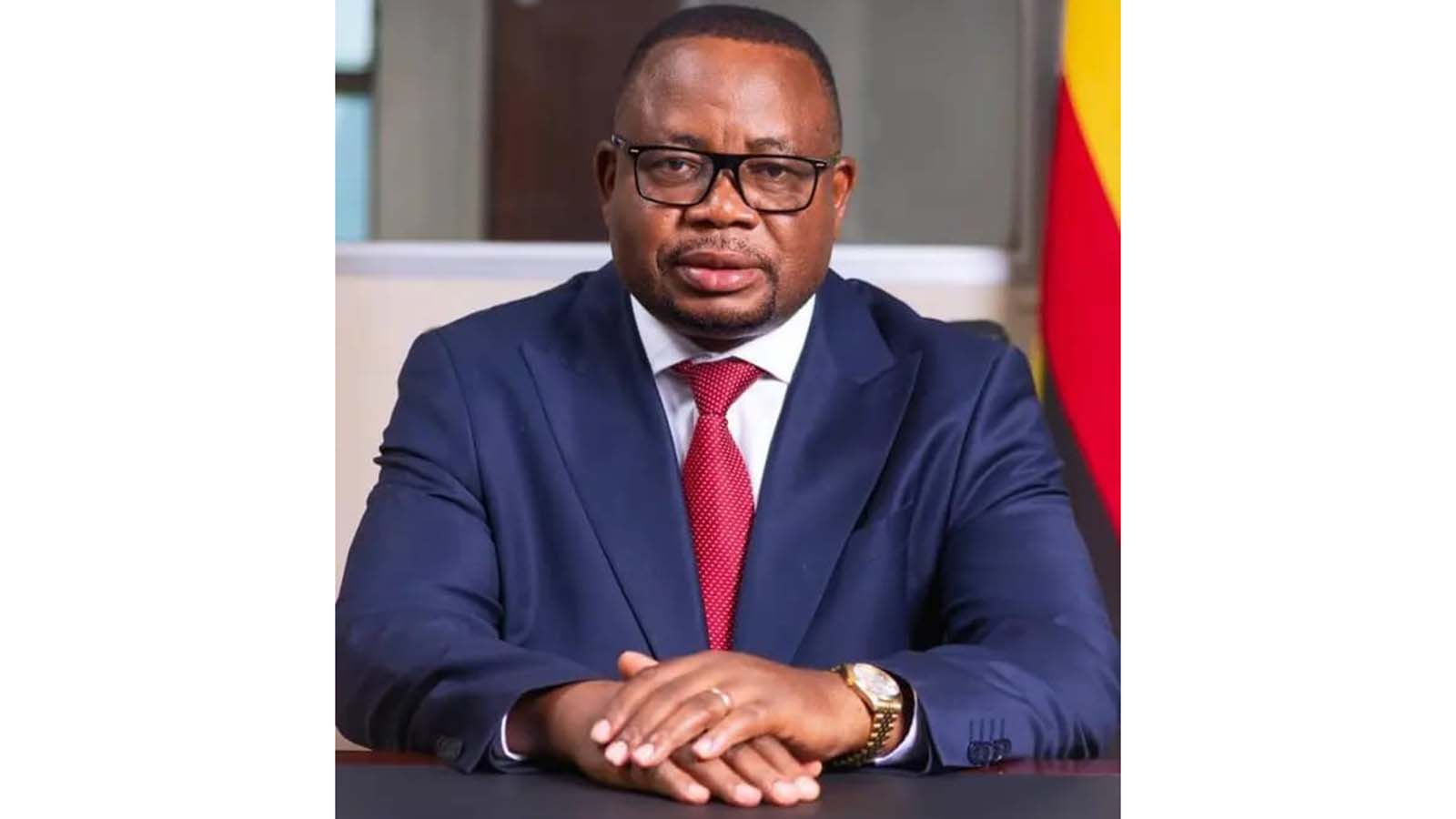
“A lot of people don’t understand Honourable Scott, but in brief, he is just a good man who wants to uplift people. If you are lucky enough to present your case before him, he listens.”
The meeting that led to the Betterbrands sponsorship did more than steady the club’s accounts. It shifted the mood.
Only months earlier, Kwekwe United looked fractured and overwhelmed. Now, there was direction, structure and a visible willingness to take responsibility for the rebuild.
To understand why this moment matters to her, you have to return to a 14-year-old girl who believed her own breakthrough had arrived.
Mudhosi had broken into the national athletics team while still at St David’s Girls High School in Mutare.
On the football pitch, she was just as dominant. She was named the school’s soccer star four consecutive years.
In 2000, her uncle took her to Dzivamutema Academy in Harare.
In her first match against St Mary’s, she impressed selectors and was picked for a Harare select side in the Independence Cup.
She performed again on Independence Day and soon the call-up to the junior national teams followed. Then her mother intervened.
“I was heartbroken at first,” Mudhosi recalls. “But I was also good at academics, so I channelled my efforts towards education. Deep down, I knew I would be back to football one day.”
She did not rebel. She recalibrated. She buried the disappointment and focused on her books, but she never abandoned the game.
That quiet discipline, absorbing the setback without losing direction, would later define her leadership style.
After tertiary education, she moved to Cape Town in 2006, briefly working with Ajax Cape Town in administrative roles, where she learned the systems and structures that sustain professional football.
She later worked in the office of South Africa’s deputy minister of International Relations at the time, Marius Fransman, sharpening her organisational instincts and expanding her network.
She went on to serve as director of Zim Achievers in South Africa, managing people, events and cross-border projects.
When she returned home, she chose football’s engine room rather than its spotlight.
At Simba Bhora, she handled administrative duties that rarely make headlines, but often determine whether a club holds together or falls apart.
She credits club president Simba Ndoro for backing her growth. It was there she understood that authority in football is often built quietly, away from the touchline.
Kwekwe United entered her life at its lowest ebb. In May 2025, with the club rooted to the bottom of the PSL table, she was appointed chief executive officer in a last attempt to restore stability.
The numbers were brutal. Seven points from 18 matches. Fewer than six goals scored.
Two head coaches, Saul Chaminuka and Paul Chimalizeni, had exited under strained circumstances. Behind the scenes, there were unpaid wages, internal disputes and a public fallout that drained belief from the dressing room.
She walked into turbulence.
“As a woman, there are already a lot of challenges, and being a single mother is even worse,” she says.
“You constantly have to prove yourself and explain a lot of things. I almost gave up on a project I had a vision on before anyone did.”
The doubts were there. Some questioned whether she could command authority.
Others wondered if the appointment was symbolic rather than strategic. Relegation at the end of 2025 seemed to confirm how deep the cracks had run.
Yet within the club, the reset had already begun.
In February this year, she was reassigned from CEO to club president, a move that signalled confidence in her long-term vision.
The task was clear. Rebuild structure. Restore credibility. Give Kwekwe something to believe in again.
The Betterbrands deal created breathing space. Then came a reshaped technical team, with Tendai Chikuni appointed head coach, assisted by Stan Ncube, while Gift Muzadzi remained as goalkeepers’ coach and Jairos Tapera stepped in as technical director.
Experienced players, including Patson Jaure, Ian Nyoni, Namibian Sadney Urikhob, Ricky Bota, Enock Moyo, Trudah Mujawo and Emmanuel Mutimbanyoka were brought in to steady a squad that had looked overwhelmed a year earlier.
Mudhosi does not want her leadership reduced to gender symbolism.
“I wouldn’t want to be viewed as a woman leading in a male-dominated field, but because of my abilities,” she says. “It’s about the ability to lead and bring development.”
Still, she understands what her presence represents. A single mother who once missed her own national opportunity now carries the responsibility of returning a club to the top-flight. Promotion is not framed as desperation. It is framed as restoration.
The 2025 season exposed how quickly ambition can collapse without preparation.
If Kwekwe United return to the PSL, they must be on stronger ground.
Mudhosi’s journey mirrors that of the club she now leads. A teenage dream interrupted. A detour into discipline and structure. A return through administration rather than applause. A fall. A second attempt.
Some ambitions do not disappear when they are delayed. They evolve.
If Kwekwe United reclaim their place in the PSL, it will not simply mark a promotion. It will stand as evidence that setbacks, whether personal or institutional, do not have to define the ending. And Mudhosi, the girl who was once told to stay home and focus on her books, will have found her way back to the national stage after all; this time not as a player chasing a call-up, but as a president determined not to let opportunity slip through her fingers again.