Online Reporter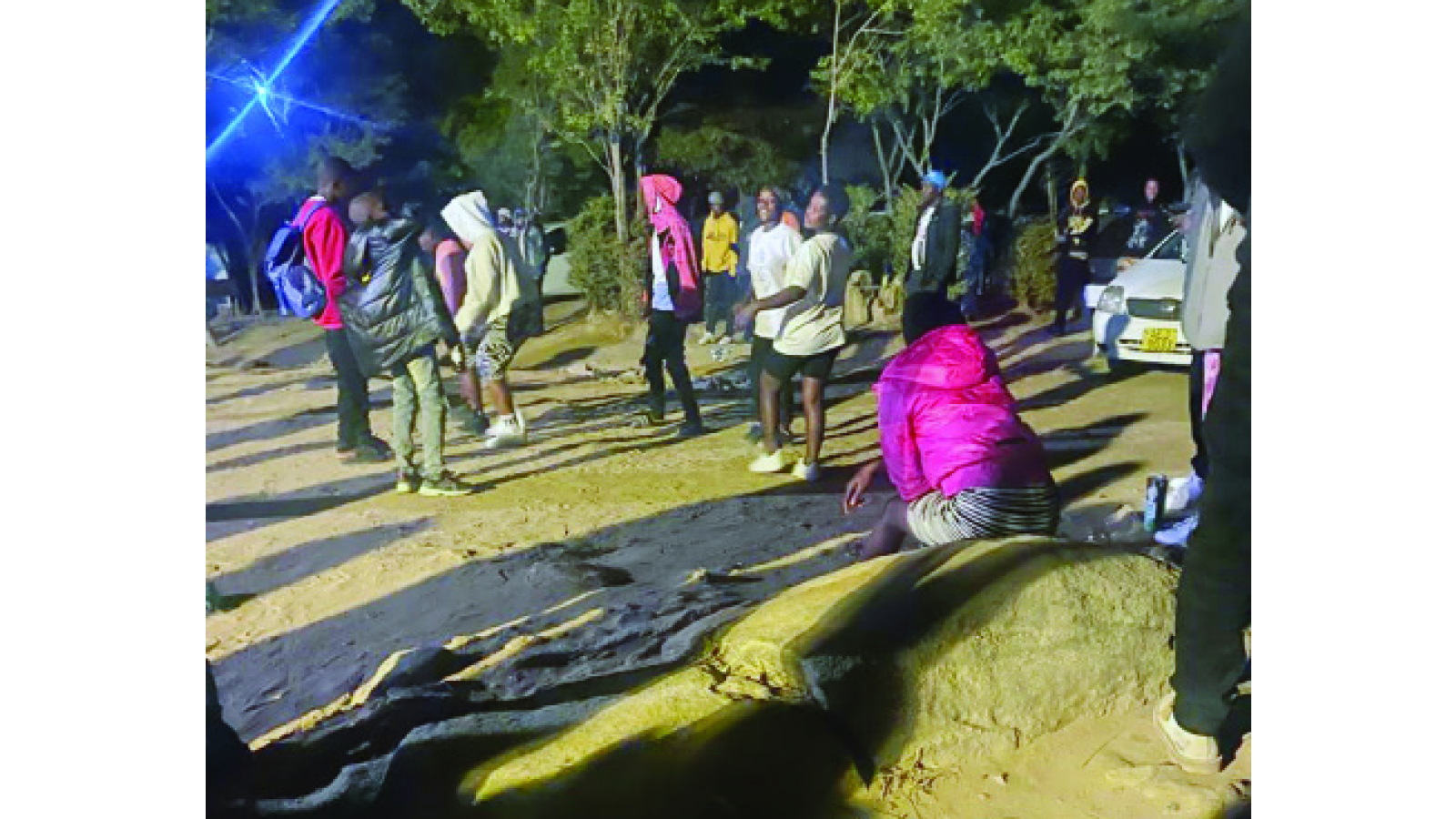
Theseus Shambare
WHEN 15-year-old Tapiwa (full name withheld) failed to do the dishes one quiet afternoon in Epworth, he did not wait for his mother’s rebuke.
He simply vanished.
“I just did not want to be shouted at,” he later said shyly, eyes cast down.
“I thought maybe if I left for a while they would miss me.”
But the few days he had imagined turned into weeks of hiding, stealing and wandering.
At first, Tapiwa slept in a nearby bush, scavenging for leftovers.
When neighbours saw him, he moved to the home of a friend’s uncle.
There, Tapiwa met two other boys his age.
The man, who owned a small horticultural plot near Harare, promised them “food and freedom”.
What the boys did not know was that this freedom came at a cost.
“We worked every day. We planted cabbages, tomatoes and vegetables. Sometimes we went to sell in Epworth, but he never paid us. He said the food we ate was our payment,” revealed Tapiwa.
He grinned briefly, oblivious of the gravity of what he was describing.
“We liked it there because no one shouted at us,” he said.
“We could go to the shops, meet friends. It was fun, until my uncle found me.”
Suspicion
Neighbours had long suspected something unusual about the man’s home.
One woman, who requested anonymity for fear of victimisation, alleged that the man’s wife “uses juju” to lure children there.
“She is known for rituals. The children just keep going there. Some parents get them back; others do not,” she said.
When Tapiwa’s uncle finally tracked him down, he took him to his maternal grandmother’s home.
After counselling sessions with relatives and a community social worker, the family agreed to let him restart school in January.
His school fees were already paid and his uniforms were bought.
But barely three nights into his stay, Tapiwa ransacked the house and stole US$1 400 belonging to his grandfather.
He fled again.
This time, he went to KwaTafi, a popular drinking joint in Epworth, near the Zinyengere Cemetery.
The spot is notorious for serving minors alcohol despite community protests.
There, he was found a few minutes before midnight, clad in new sneakers and flashy clothes, surrounded by peers barbecuing meat and bingeing on booze.
“He was living like a small boss. He had turned into their financier,” said the boy’s uncle.
The police recovered US$1 100, but since he was still a minor, they ultimately released him into the family’s custody.
The case was reported under RRB number 6648842 at the Epworth Police Station. However, the next morning, Tapiwa was gone again.
A brewing crisis
Community leaders and child rights advocates say KwaTafi and several other spots like it have become breeding grounds for underage drinking, drug abuse and juvenile crime.
Springs of Life Zimbabwe (SLZ), a local organisation working with sex workers and marginalised groups, has been leading campaigns to protect children from such environments.
SLZ programmes coordinator Precious Msindo said the organisation has repeatedly tried to engage bar owners in Epworth not to serve underage customers. However, they have met with little success.
“Every weekend, the place is filled with underage patrons — boys and girls as young as 14.
“Any efforts to engage the owners have been futile. They claim they cannot police who comes in, yet they are violating the law,” bemoaned Msindo.
The organisation recently launched the “Mwene weBhawa Ngaasungwe” (The Bar Owner Must Be Arrested) campaign, which pushes for accountability among bar operators.
Through the campaign, SLZ has been distributing and pasting “No Under 18” posters in bars across Epworth, Bindura, Seke and other high-density suburbs.
“We want to create visual reminders that children should not be anywhere near these places,” Msindo said.
“It is not just about alcohol — these spaces expose minors to drugs, exploitation and sexual grooming.”
Local residents have welcomed the initiative.
“It is about time someone spoke up. We see schoolchildren drinking here every day after classes.
“When you confront the bar owners, they laugh and say it is not their job to check IDs (identities),” said Grace Tembo, a mother of three who lives near Zinyengere.
Another resident, Netsai Chitsinde, said poverty and poor parental supervision have worsened the problem.
“Most of these children come from homes where parents are either away hustling or just tired. But the bars are taking advantage of that. They should face the law, too,” she said.
Lost between homes
Tapiwa’s story, like that of many other vulnerable children, exposes the thin line between mischief and exploitation.
When children disappear from home, they often find refuge in spaces where adults profit from their labour or indulgence.
After multiple arrests and releases, Tapiwa now drifts between relatives, unwanted and unreformed.
His father refused to sign probation consent papers, insisting the family could handle it at home.
That decision halted the child’s placement in a supervised facility, despite all paperwork having been nearly completed.
His mother, exhausted and fearful, said she cannot take him back.
“I love my son,” she said, tears filling her eyes, “but I am scared. Each time he runs away, something bad happens.”
The young man’s story has become a disturbing reflection of the growing crisis of juvenile delinquency, particularly in low-income communities, where poverty, peer pressure and broken family structures feed a cycle of child offending.
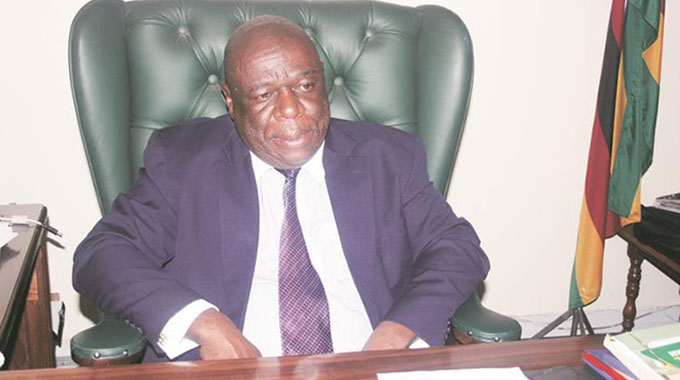
Permanent Secretary in the Ministry of Public Service, Labour and Social Welfare Mr Simon Masanga said Tapiwa’s case mirrors a “multi-layered failure of family and community protection systems”.
“The Children’s Act (Chapter 5:06) empowers our child protection officers to identify and respond to such cases,” said Mr Masanga.
“We use the national case management system to assess risks, coordinate rehabilitation and link families to support services.”
However, he admitted that resistance from parents and guardians or lack of resources can militate against interventions.
“When parents refuse to cooperate, our hands are tied. Yet if we do nothing, the child becomes more entrenched in delinquency,” he said.
Child labour
Zimbabwe’s Labour Act (Chapter 28:01) explicitly prohibits child labour under Section 11, defining it as the employment of anyone under 16 in hazardous or exploitative work.
The law further criminalises forcing minors to work on commercial farms or informal enterprises.
According to the law, what Tapiwa and his peers experienced on the so-called “uncle’s farm” is, therefore, illegal, regardless of whether they were “helping” or “learning”.
Child rights advocate Talent Mavhunga said child exploitation often hides behind informal economies.
“Children under 16 should not be engaged in any form of labour that interferes with their education or exposes them to harm,” she said.
“The tragedy is that such practices are common in informal areas like Epworth, where child exploitation hides behind the mask of ‘helping around.’”
The story highlighted above raises an uncomfortable question: Where does child protection end and accountability begin?
The same laws meant to shield children from abuse — the Children’s Act, the Labour Act and the Constitution’s Section 81 on children’s rights — can sometimes leave parents powerless when those very children turn against the family and community.
Without better-funded probation services, community rehabilitation programmes and early family counselling, Zimbabwe risks breeding a generation of “protected offenders” — children lost to both compassion and consequence.
During our interview, Tapiwa smiled faintly as he reminisced his time on the farm.
“It was fun,” he said.
“We could go to town, we worked in the fields and we sold vegetables. I did not feel like a child there — I felt free.”
“But now everyone is angry. Maybe I went too far.”
His words hang heavy — a child’s attempt to reason with a world that presumably failed to guide him.
Tapiwa’s mother still hopes he will return to school next term.
“I just want him to be my son again, not this stranger I keep chasing,” she said.
For now, the boy who fled from washing dishes has become the face of a bigger story — of a society struggling to raise its children amid poverty, parental fatigue, drug exposure, spiritual fear and a system that punishes too little, too late.