Online Reporter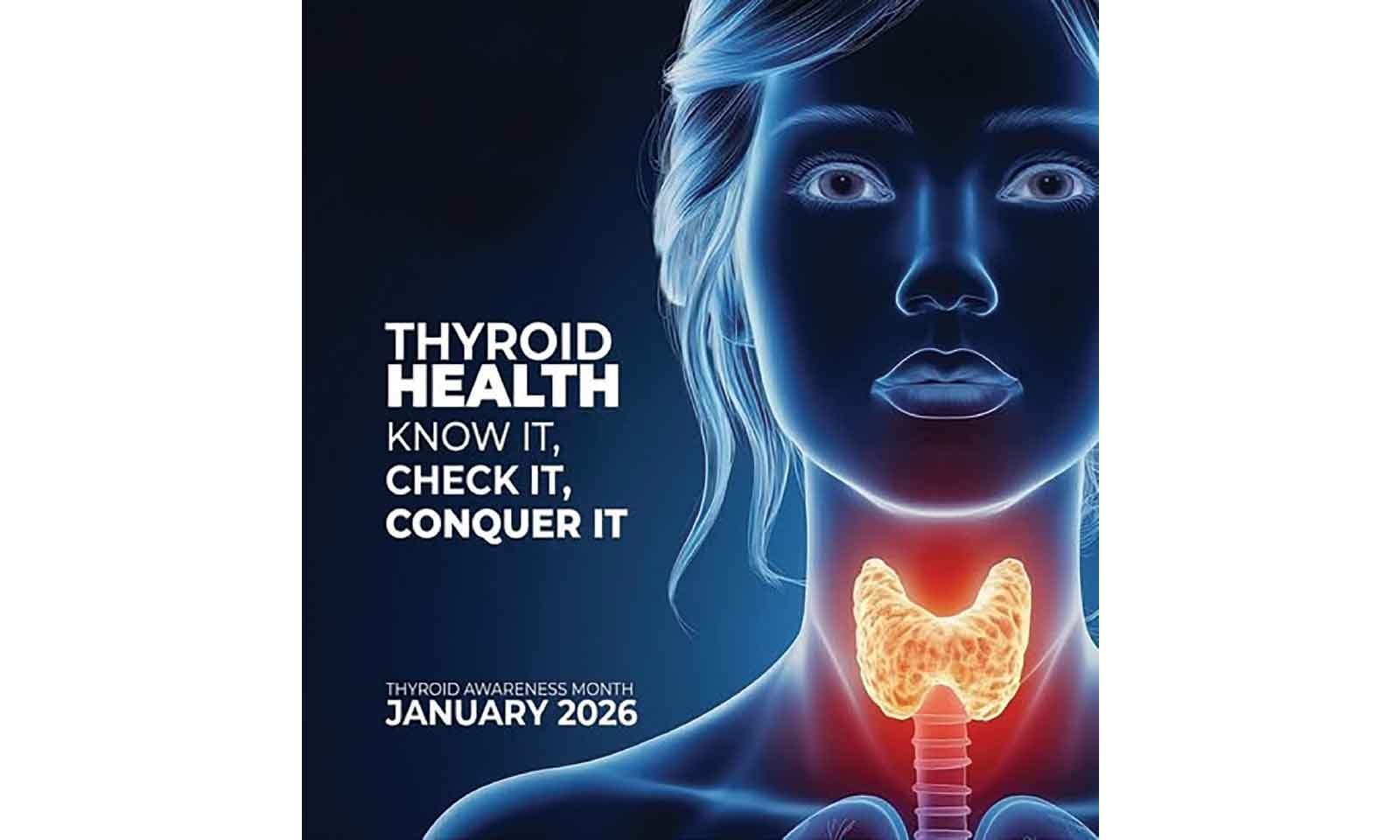
Rumbidzayi Zinyuke
Health Buzz
January is marked globally as Thyroid Awareness Month, yet for many Zimbabweans the occasion passes unnoticed.
Unlike HIV, cancer or diabetes, thyroid disease rarely features in public conversations about health, despite affecting millions of people worldwide.
The irony is that the thyroid, a small butterfly-shaped gland located at the base of the neck, plays an outsized role in keeping the human body functioning normally.
When it fails, the consequences are often subtle at first, but can eventually be debilitating, life-threatening and, in some cases, intergenerational.
The thyroid gland produces hormones that regulate the body’s metabolism, essentially acting as a control centre for how energy is produced and used. These hormones influence heart rate, body temperature, digestion, muscle strength, fertility, mood and brain development.
When thyroid hormone levels are too low or too high, the body’s systems fall out of balance. Because this imbalance often develops gradually, many people live with thyroid disorders for years without knowing it, attributing their symptoms to stress, ageing or lifestyle factors.
Hypothyroidism, the condition in which the thyroid produces insufficient hormones, is the most common thyroid disorder globally.
People with hypothyroidism often experience persistent fatigue, unexplained weight gain, sensitivity to cold, depression, dry skin, hair thinning and memory problems. In women, it may cause irregular menstrual cycles and fertility challenges.
If left untreated, hypothyroidism increases the risk of heart disease, anaemia and severe complications such as myxoedema coma, a rare but potentially fatal condition.
At the other end of the spectrum is hyperthyroidism, where the thyroid becomes overactive and produces excess hormones. This condition can cause rapid heartbeat, anxiety, tremors, insomnia, excessive sweating and weight loss despite a good appetite.
In severe cases, untreated hyperthyroidism can lead to heart rhythm disorders, osteoporosis and stroke. Both conditions illustrate how a single gland can disrupt the entire body when it malfunctions.
One of the most visible thyroid-related conditions is goitre, an abnormal enlargement of the thyroid gland that causes swelling in the neck.
Historically, goitre has been closely linked to iodine deficiency, a public health problem that once affected large parts of Zimbabwe and the region.
Iodine is an essential micronutrient required for the production of thyroid hormones, and when intake is insufficient, the thyroid enlarges in an attempt to compensate.
Zimbabwe made significant strides in reducing iodine deficiency through the introduction of universal salt iodisation, a public health intervention that dramatically lowered the incidence of severe iodine deficiency disorders.
However, the problem has not been completely eliminated. In some communities, particularly in rural areas, non-iodised salt is still used, while diets low in iodine-rich foods such as fish and dairy products persist. This means that iodine deficiency remains a real, if less visible, risk.
The consequences of iodine deficiency are especially severe during pregnancy. Adequate thyroid hormone levels are critical for foetal brain development, particularly in the first trimester.
When pregnant women are iodine-deficient, their babies face increased risks of miscarriage, stillbirth, low birth weight and irreversible cognitive impairment. In this sense, thyroid health is not only an individual concern but a matter of national development, affecting the intellectual potential of future generations.
Women are disproportionately affected by thyroid disorders, with global evidence showing that they are five to eight times more likely than men to develop these conditions.
Hormonal changes during puberty, pregnancy and menopause increase vulnerability, as do autoimmune diseases such as Hashimoto’s thyroiditis and Graves’ disease, where the body’s immune system mistakenly attacks the thyroid gland.
In Zimbabwe, where women often delay seeking healthcare due to care-giving responsibilities or financial constraints, thyroid disease frequently goes undiagnosed until complications arise.
Another underappreciated aspect of thyroid disease is its close link to mental health.
Hypothyroidism is strongly associated with depression, low motivation and slowed thinking, while hyperthyroidism can trigger anxiety, irritability and panic symptoms.
In a country where mental health services are already stretched, thyroid-related psychological symptoms are often treated in isolation, without recognising the underlying hormonal cause. This results in missed diagnoses and prolonged suffering for patients who could otherwise improve significantly with appropriate treatment.
Environmental and lifestyle factors are also increasingly recognised as contributors to thyroid disorders. Exposure to certain industrial chemicals, pesticides and endocrine-disrupting substances can interfere with thyroid function.
Smoking has been linked to a higher risk of Graves’ disease, while a family history of thyroid disorders increases susceptibility.
As Zimbabwe continues to industrialise and urban lifestyles evolve, these risk factors are likely to become more prominent, adding another layer of complexity to thyroid health.
Despite the significant impact of thyroid disease, diagnosis is relatively straightforward. Simple blood tests measuring thyroid-stimulating hormone and thyroid hormone levels can detect most disorders early.
However, access to such testing remains uneven, particularly in rural health facilities where laboratory services are limited. As a result, many patients present late, when they already have complications affecting the heart, reproductive health or metabolism.
From a health systems perspective, this represents a missed opportunity, as early diagnosis and treatment of thyroid disease is both cost-effective and highly successful.
Treatment for most thyroid disorders is long-term but manageable. Hypothyroidism is typically treated with daily hormone replacement therapy, allowing patients to live normal, productive lives. Hyperthyroidism can be managed with medication, radioactive iodine therapy or surgery, depending on severity.
The challenge lies not in the availability of treatment, but in awareness, early detection and sustained access to care.
Prevention plays an important role in reducing the burden of thyroid disease. Ensuring consistent use of iodised salt at household level remains a cornerstone of prevention, alongside promoting balanced diets and regular health check-ups for high-risk groups such as women of reproductive age.
Public education is critical, because people cannot seek care for a condition they do not understand or recognise.
As Zimbabwe strengthens its response to non-communicable diseases, thyroid disorders must not remain in the shadows.
Integrating thyroid screening into primary healthcare services, maternal and child health programmes and routine NCD care would go a long way in addressing the problem.
Awareness campaigns tied to January’s Thyroid Awareness Month should be sustained throughout the year, using community health workers, schools and media platforms to spread accurate information.
The thyroid may be small, but its impact on health, productivity and national development is enormous.
Ignoring thyroid disease allows a silent epidemic to persist, undermining gains made in other areas of public health.
Recognising, preventing and treating thyroid disorders is not an optional extra, it is a necessary investment in the wellbeing of the population and the future of the country.
Feedback: [email protected]