

 admin
admin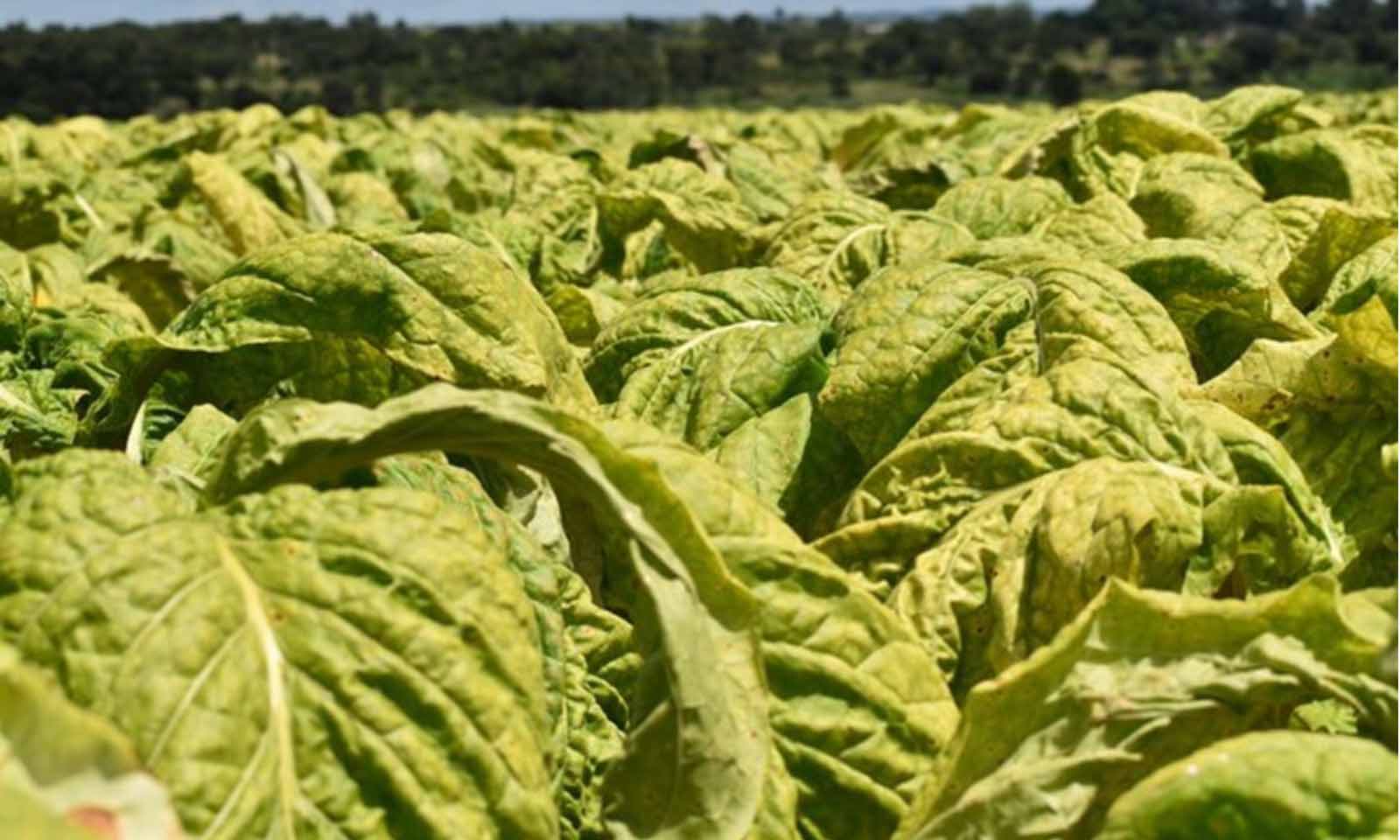
Edgar Vhera
Agriculture Specialist Writer
IN a move designed to help improve the quality of tobacco ahead of the 2025 marketing season, the Tobacco Industry and Marketing Board (TIMB) is educating farmers on identifying plants ready for harvesting.
Harvesting and curing of the early planted irrigated crop has since started in some areas.
In a recent post on X (formerly Twitter), TIMB said: “Tobacco growers, timing is everything! Here is how to know your tobacco is ripe for reaping: leaves turn pale green/yellow, leaves dangle at a 90-degree angle from the stalk, sheen fades – the leaf feels velvety, leaf tips curl and turn yellowish, and the midrib becomes pale green. Harvest right, reap quality.”
In another X post, TIMB urged farmers to avoid reaping immature or overripe leaves, saying that compromised quality.
“Harvest leaves from the same stalk position, at least two leaves per cycle, for uniform ripening and easier grading,” the post advised.
Ripe tobacco ready for reaping
Agricultural and Rural Development Authority (ARDA) board chair Mr Ivan Craig concurred saying growers must only reap mature leaves.
“Growers must lock in the value of their crop by harvesting only mature leaves rather than a tobacco crop affected by excess leaching or fertiliser deficiency, which turns yellow/brown and thereby appears to be a mature leaf.
“Such leaves cannot be cured properly, resulting in the farmer losing out when marketing begins,” he said.
Ripe tobacco can be identified by its colour, aroma and texture, with the former being the most common indicator of maturity and quality.
Ripe tobacco leaves turn yellow and golden and cure properly, while green leaves should not be harvested because they do not cure correctly.
The texture and aroma of the tobacco indicate its quality and maturity.
Experts in the industry suggest that farmers conduct leaf ripening tests to measure starch content and ensure optimal sugar conversion during curing.
In its ‘One Industry Approach to Grading’ bulletin, TIMB added that the eventual price a farmer receives during marketing is a result of grading.
“Grading really starts before the crop is planted. Planning to produce uniformity at all stages of production will create the conditions under which grading is most likely to be made easy,” the bulletin read.
The bulletin outlined some of the points that have the most significant bearing on the outcome of grading: land selection and preparation, fumigation, fertilisation, seedling selection, topping and suckering, reaping, curing and storage.
This notice comes on the backdrop of the country’s tobacco hectarage reaching 120 106 hectares as of January 10, with dry land farmers still planting.
The first round crop assessment is currently underway to evaluate the condition of the crop, as well as verify the hectarage and likely output, with the country seeking to bounce back from the El Niño-induced drought setback of last year to reach 300 million kilogrammes this year.



 Online Reporter