Online Reporter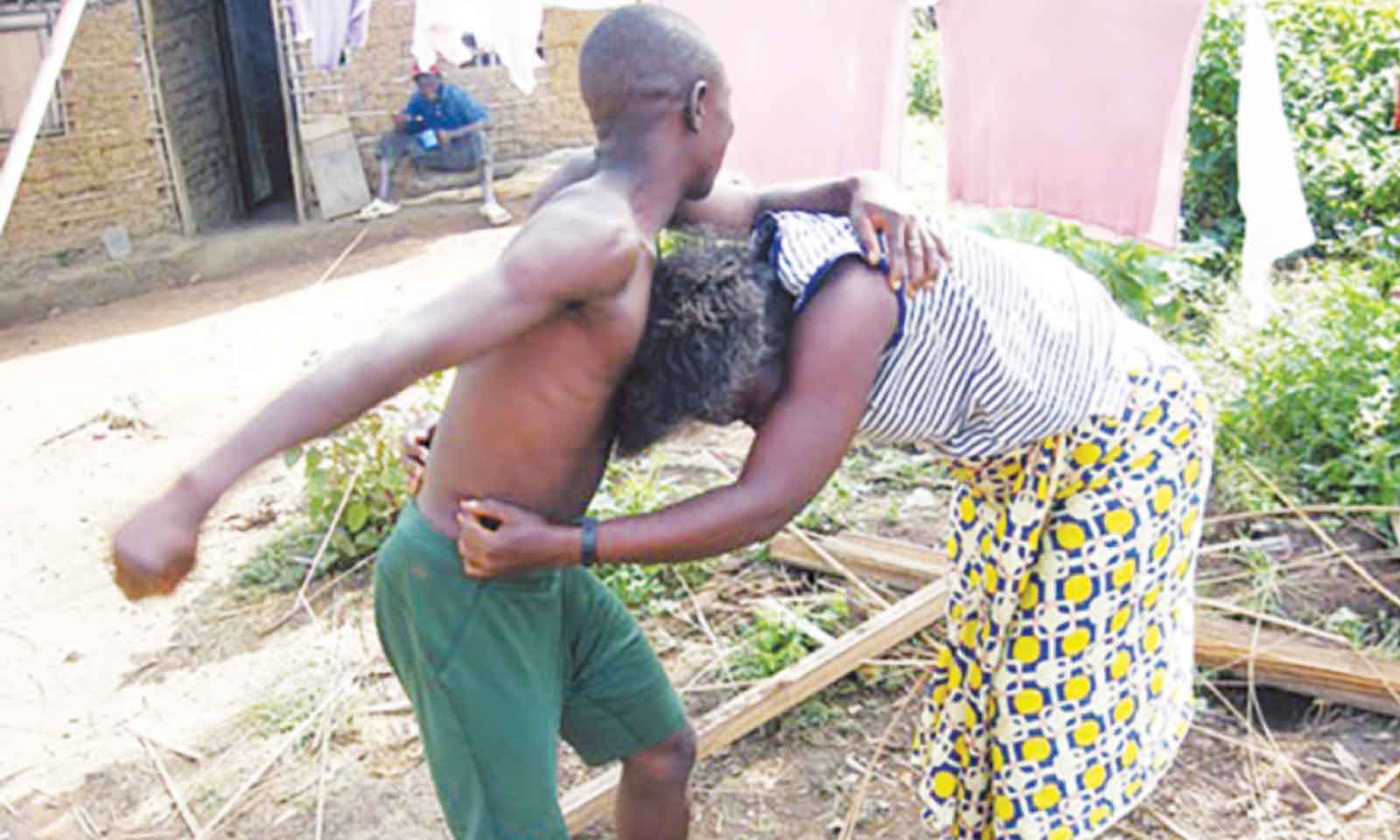
Rumbidzayi Zinyuke
Health Buzz
Today marks the beginning of the 16 Days of Activism Against Gender-Based Violence 2025 campaign, a global campaign that Zimbabwe observes with growing urgency each year.
GBV remains a pervasive challenge facing millions of women across the world with one in every three having encountered it at one point in their lives.
As the nation comes together for this important awareness drive, one uncomfortable tis for certain: gender-based violence is not a 16-day problem. It is a 365-day crisis demanding 365-day action.
Every year, Zimbabwe joins more than 180 countries worldwide in the campaign that runs from November 25 to December 10. It is a moment for heightened visibility, stronger messaging and renewed commitments.
But for the survivor who fears going home tonight, the girl who has dropped out of school due to abuse, or the boy exposed to violence he is told to normalise, the calendar offers no relief.
When the banners are packed away and the hashtags fade, violence remains in homes, workplaces, schools, churches, public spaces and digital platforms. This year’s commemorations arrive at a time when new data paints an even more sobering picture.
Preliminary findings from a study commissioned by the Ministry of Women Affairs, Community, Small and Medium Enterprise Development in partnership with the World Bank and New York University indicate that Zimbabwe could be losing more than US$1 billion annually to gender-based violence. The figure is staggering, not merely for its economic implications but for what it reveals about the scale of human suffering hidden behind closed doors.
If Zimbabwe needed another reminder that GBV is not only a social or moral issue, but also a developmental threat, these numbers prove that.
Violence is draining the nation of resources, productivity, talent, and potential. And yet, year after year, much of the activism remains condensed into this 16-day window. The question, then, is not whether these global days are important, because they are, but why the national fight against GBV seems to slow down when the commemorations end.
To understand why activism must be a year-round commitment, it is important first to recognise the pervasiveness of the problem.
GBV does not emerge suddenly on November 25 and disappear on December 10. It is woven into daily interactions and inequalities, many of them normalised over generations. The cultural acceptance of male dominance, economic dependency, harmful social norms, silence around abuse and a justice system that still feels inaccessible to many survivors all make GBV feel like an inevitable part of life. But violence is not inevitable, it is learned, reinforced and, therefore, preventable.
The costs of inaction are immense. Beyond the billion-dollar national burden, survivors face lifelong consequences including chronic physical injuries, depression, anxiety, economic hardship, lost educational opportunities, family disintegration and stigma.
Children who witness violence often grow up repeating the cycle or becoming victims themselves. Communities lose stability. Workplaces lose productivity. The healthcare system absorbs the fallout. The nation bleeds resources that could have gone to development, education, health, innovation and infrastructure.
Yet across all this, we cannot deny that meaningful change cannot occur if only half the population is engaged. For decades, efforts to fight GBV have largely focused, understandably, on women and girls as victims. While this remains necessary, it has not been sufficient. Men and boys are not merely observers in the GBV landscape, they are pivotal actors in both the problem and the solution.
Engaging the boy child and men is now recognised as one of the most important strategies for long-term prevention. Violence is often rooted in socialisation, in the ways boys are taught to think about masculinity, authority, entitlement, emotion and power. Many grow up being told that “real men” exert control, do not cry, dominate decision-making and command respect through force. These harmful norms follow them into adulthood, shaping how they treat partners, colleagues and children.
Changing this trajectory requires deliberate, everyday work. Teaching the boys empathy, communication, emotional intelligence, respect for women and girls and non-violent problem-solving can be a start.
It means men becoming allies who call out abuse, challenge sexist norms and mentor younger males to see women as equals. It means involving fathers in the conversations, not only as protectors, but as role models who demonstrate healthy relationships.
Recent GBV campaigns in Zimbabwe have begun to reflect this shift, with more programming that explicitly targets men and boys. However, the scale of engagement remains small compared to the scale of the problem. If the country is to seriously reduce GBV, reclaiming the billions lost in the process, then male engagement must move from the periphery to the centre of the national response.
That response must also extend beyond awareness-raising. While campaigns during the 16 days often succeed in sparking public discussion, survivors require year-round, accessible, well-resourced services. This includes shelters, legal aid, sexual and reproductive health support, psychosocial care, and survivor-friendly policing. Many of these interventions exist but remain underfunded or unevenly distributed, leaving rural communities particularly underserved.
The justice system also requires constant strengthening. Survivors frequently cite fear of stigma, lack of trust in institutions, and slow legal processes as barriers to reporting. If perpetrators believe they can act without consequence, the cycle continues. Consistency in prosecution, clear enforcement of the Domestic Violence Act, specialised GBV courts, and survivor-centred police procedures should not be seasonal priorities but daily obligations.
Technology has introduced a new frontier of abuse like trolling, revenge pornography, cyberstalking, sextortion and digital harassment, particularly targeting women and girls. As this year’s theme “United to end digital gender violence against all women and girls” highlights, digital violence must be confronted with the same seriousness as physical and emotional abuse.
But these conversations should not be confined to panel discussions only. Education systems, workplaces, policymakers and parents must integrate digital safety into everyday life.
The 16 Days of Activism serve a crucial purpose. They shine a spotlight. They elevate voices. They mobilise political commitments. They bring stakeholders together. They create space for survivors to speak.
But they are not enough on their own.
Zimbabwe cannot afford to treat GBV as an annual event, not when lives are being destroyed every day, not when children are growing up in fear, not when the economy is losing a billion dollars to a crisis that can be prevented.
Ending GBV demands unwavering political will, continuous funding, sustained public engagement and cultural transformation. This year, President Mnangagwa signalled renewed commitment from the highest office when he reaffirmed Government’s resolve to end gender-based violence and harmful practices.
“During the 16 days of activism and beyond, I encourage us all, to engage in honest dialogue and continue speaking and taking action. Let us build on the progress we have made, honour the commitments we have pledged and remain steadfast in our shared vision for a united, harmonious, peaceful and equitable Zimbabwe,” he said.
This political will is critical and it should be echoed in homes and churches, instilled in classrooms, enforced in workplaces, and championed by traditional leaders, religious leaders, community influencers and the media. Above all, it requires men and boys to recognise their responsibility, and their power, to break the cycle before it starts.
As Zimbabwe enters the 2025 campaign, the country stands at a crossroads. The growing evidence of economic loss, the persistence of harmful norms, and the rising tide of digital violence all point to the urgency of acting beyond this period.
If the momentum built over the next 16 days becomes the fuel for a year-long, nationwide commitment, then Zimbabwe has a real chance to break the cycle and reclaim the lives and resources lost to this pervasive menace.
Sixteen days can start a conversation. But it will take 365 days of action to end the violence.
Feedback: [email protected]