Chronicle Editor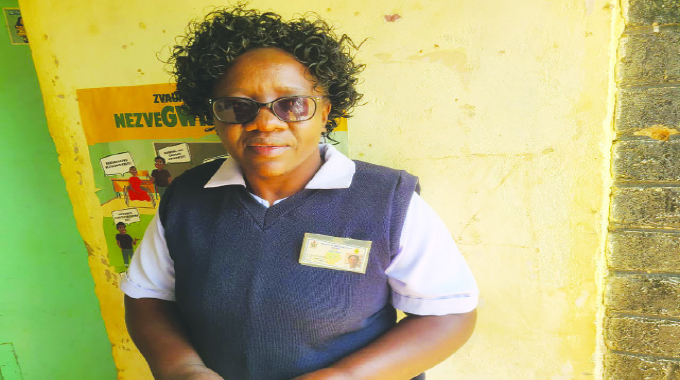
Michael Magoronga, Midlands Correspondent
MS Ruvarashe Moyo (21) is expecting to deliver her second baby after having given birth to her first one two years back.
During her first delivery, staff at Senkwasi Clinic in Zhombe had to use candlelight and mobile phone torches to help her have a safe delivery.
“I can clearly recount the horror as I had to be hurriedly transported to the clinic in an ox-drawn cart by a neighbour at around midnight. The clinic was very dark and it had just rained so we had a torrid time arriving at the clinic. The nurses had already slept since they did not expect anyone around this time,” she narrated.
The solar-powered batteries that the nursing staff use for lighting had run out as they were being used for both the clinic and their housing quarters.
“Since it had been raining for some days, the batteries had not fully charged and they did not have proper lighting. They had to use candles for my delivery. Most of their mobile phones had also run out of battery due to unavailability of power for some days,” she said.
Two years down the line, Ms Moyo who is now expecting her second child, is witnessing the switching on of the clinic after its electrification by the Government.
The electrification does not only bring with it the much needed light but also refrigeration for storage of medication and other energy uses at the clinic.

While many patients stand to benefit from this development, it is waiting mothers who are most grateful for the project given their vulnerability.
“I was even committed to travel to Donjane Clinic which is about 12 kilometres from here, as it is better equipped than this one. But now that the clinic is being equipped, I look forward to giving birth at the institution. I encourage the government to continue addressing other areas also, especially those that affect expecting mothers,” she said.
Senkwasi Clinic, which serves about 3 963 people, has been attending to an average of only 10 deliveries per month because expecting mothers chose to travel about 20 kilometres to Sidhakeni Clinic or 15 kilometres to Donjane Clinic which are better equipped.
Sister-in-charge, Kudzai Mutambara said the electrification of Senkwasi Clinic came as a major boost as it addressed a number of issues.
“All along we were using solar energy and we are grateful for it. Now we can use it as a backup in case there are power cuts. Most waiting mothers were shunning the clinic because at times we would use candles or phone torches for deliveries. We are looking forward to receiving more expecting mothers now that we have proper lighting,” she said.
Sister Mutambara said they are now looking forward to the drilling of a borehole, which was a noted limiting factor.
“Water remains a challenge as we are travelling about a kilometre to access clean water. Now that we have electricity, we will be glad if someone drills a borehole for us so that waiting mothers do not have to travel long distances to fetch water,” she said.
Sister Mutambara said nursing staff were shunning the clinic due to safety issues.
“We are located in a bushy area and are looking forward to having proper lighting all over, including our houses, for security purposes,” she said.
Sister Mutambara said plans are afoot to build a decent waiting mothers’ shelter to accommodate more expecting mothers as the clinic’s conditions continue to improve.
Rural Electrification Agency Midlands Provincial Manager, Engineer Silbah Zimwara said through the rural electrification programmes, the Second Republic has made significant progress in the electrification of rural areas of Zimbabwe.
“In the Midlands Province alone, we have electrified 1 263 rural institutions of which 137 of these are in Kwekwe District alone, ranging from schools, chiefs’ homesteads, business centres, farms, business centres and health centres,” she said.
Eng Zimwara said the Rural Electrification Fund would continue to ensure that everyone in Zimbabwe has access to adequate, reliable, low-cost, environmentally friendly and sustainable energy services.
“Provision of electricity will no doubt lead to the empowerment of our rural communities, poverty alleviation, capacity building and employment creation in rural communities in line with NDS1 which was crafted to achieve sustainable development and social equity in Zimbabwe. Many other benefits will accrue among them the reversal of rural-urban migration and economic activities in downstream industries,” she said.
Midlands Provincial Affairs and Devolution Minister Owen Ncube said the Second Republic remains committed to ensuring that no one and no place is left behind.
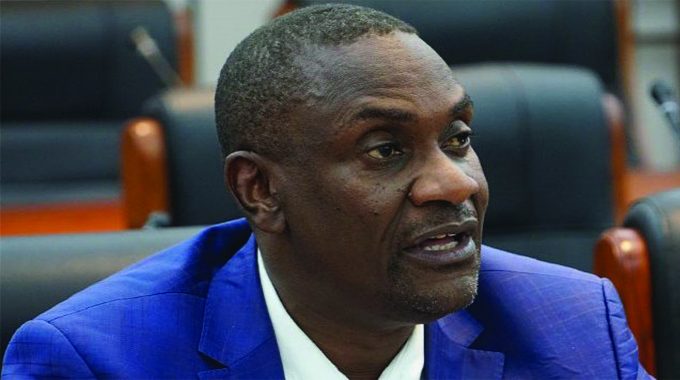
“This development shows that the Second Republic remains resolute in its transformational agenda which leaves no one and no place behind and underscores the need by the Second Republic for equitable development that is accessible,” he said.
Minister Ncube said the Government has since embarked on a drive to rehabilitate the health delivery sector by building new clinics, rehabilitating existing ones and modernising others pursuant to the modernisation agenda of rural communities.
He appealed to traditional leaders and the community to ensure that the public infrastructure is well-maintained and vandalism is shunned.


 Online Reporter