Online Reporter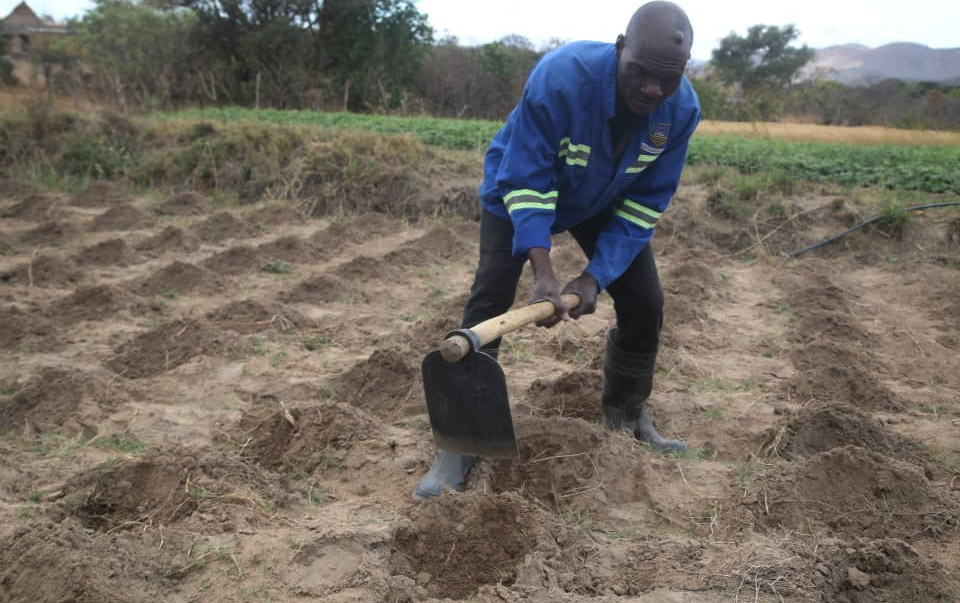
Agriculture Reporter
The start of rainfall season in Zimbabwe is in the month of November into early December.
According to the Ministry of Lands, Agriculture, Fisheries, Water and Rural Development department of Agricultural and Rural Development Advisory Services (ARDAS), the bulk of the country normally records the start of the season between November 10 and November 30.
“In the extreme northern and southern parts of the country, an average start of season is between December 1 and 15.
“The climatological end of season ranges between March 1 and March 20 except for few places where the season can stretch as far as March 31,” said ARDAS in an advisory.
There are several definitions of the start of the season, but having enough moisture promotes germination and establishment for the next 14 days or less becomes critical.
The start of the season is based on the soil water balance, which calculates the amount of rain or irrigation water available for plants at a given soil depth at a particular time.
Effective planting events can be based on the following definitions:
When any day after October 1, more than 25 mm of rain is received within three days, provided no 10-day dry spell or longer occurs within the next 20 days (AGRITEX).
Any day after October 1, an area receives at least 40 mm of rain within four days.
“It considers a cumulative rainfall depth that will bring the top 0.25m of the soil profile to field capacity during a maximum of four days. In this study, this will be termed the “DEPTH criterion.
“DEPTH, or randomly digging at least five holes in the prepared field, is the most common technique practised by smallholder farmers to verify whether moisture is enough to promote crop establishment.
“The logic in the DEPTH criterion is to allow the rain to percolate deeper soil layers, forming a recognisable wetting front. The DEPTH criterion is for risk-averse farmers. The corresponding threshold rainfall quantifies farmers’ field inspection method to determine whether conditions are favourable for wet sowing,” said ARDAS.
As we approach the rainfall season from November 10 to December, it is essential to focus on planting if you receive effective rains.
“Please note, sometimes, the start of rain does not signal the right time to plant since it may occur below its long-term average of the start date of rains in Zimbabwe.
“Planting too early may lead to crop failure as critical growth stages may coincide with extended mid-season dry spells that have become recurring,” said ARDAS.
On the other hand, planting too late may reduce the growing season and the crop’s ability to utilise growth resources, resulting in yield reductions or significant yield penalties.
N.B: This is a critical time to stay informed through the Meteorological Services Department and Indigenous/traditional methods.
Indigenous/Traditional methods of weather predictions have been used since time immemorial, but with the coming of modern weather forecasting methods, these traditional methods have tended to be ignored. It is essential to highlight that it would be naïve to believe that indigenous knowledge forecasting is without challenges.
Way forward
Based on rainfall received, farmers are advised to plant some of their fields. Farmers with functional irrigation systems must take the chance to plant early so as to maximise heat units. The monthly forecasts for November to December indicate normal to above normal rainfall.
Based on the forecast the following consolidated recommendations are proposed:
Pfumvudza farmers should ensure that plots are prepared and inputs are accessible for planting with the initial effective rains. Try to plant some plots to spread the risk.
According to historical data and rainfall received in some parts of country, the optimal planting period in Zimbabwe is from November 15 to December 5.
Therefore, attempting to plant is advisable.
Implementing a diverse array of crops and varieties is highly recommended to mitigate the risk of agricultural failure.
Crops such as maize, groundnuts, cotton and tobacco need high heat units; planting them with the first effective rains promotes high yields.
It is important to work with lead farmers and be guided by Agricultural Business Advisory Officers (ABAOs) to avoid the risk of replanting and crop failure. Note that a false start is very common in early November.
It is highly recommended to stagger planting of crop varieties to reduce the likelihood that crops will fail to reach physiological maturity due to weather uncertainties.
One way to conserve moisture is by implementing water conservation techniques, such as mulching and potholing. For further guidance, consult your local extension office.
Livestock producers must supplement feed and water from now up to time the veld is available.
It is essential to heed weather and climate reports, particularly those issued by the Meteorological Service department, as they provide vital guidance for all agricultural activities.