admin
admin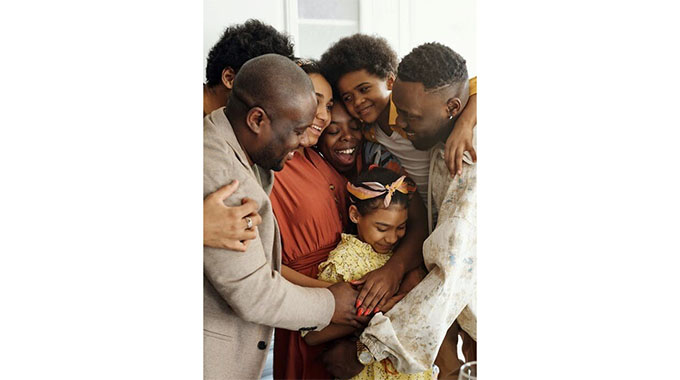
Laina Makuzha LOVE by DESIGN
All too often couples that come together with children from previous relationships find themselves with a special kind of family to nurture and it may be difficult to navigate this terrain especially if one did not have any previous experience.
I truly commend those loving folks who gracefully and courageously build strong blended families. From observation, I’ve seen couples struggling with this very crucial role of raising a blended family and we might all have heard stories of step parents that are cruel or negligent in some blended families. So this week I’m sharing my take on how blended families can strike that harmony and love that is so critical for a happy home.
When you and your partner make a life together with the children from one or both of your previous relationships, the result is a blended family.
The process can be both a rewarding and challenging experience. While a couple in such a situation is likely to approach remarriage and a new family with great joy and expectation, your kids or your new spouse’s kids on the other hand, may not be too excited about the idea. It can be a lot for them and this needs to be taken into account when decisions are being made.
They’ll likely feel uncertain about the upcoming changes or how the inevitable changes will affect relationships with their natural parents. If they are minor children, they may feel helpless, and may also worry about living with new step-siblings, whom they may not know well, or worse, ones they may not even like.
Some children have been known to resist changes, while you as a parent can become frustrated when your new family doesn’t function as smoothly as you might have desired. Blending families is generally not easy, and requires planning together and agreeing on the way the family will function in the new set up, including finding ways to experience real life together, insisting on a home full of respect for one another even during disagreements. On the relationship end, the couple has to be united and communicating really well, in order to not neglect or lose each other in the process.
I picked a few tips this week, that can hopefully help you work through the growing pains of blending a family. No matter how strained or difficult things seem at first, with open communication, mutual respect, and plenty of love and patience, you can develop a close bond with your new stepchildren and build an affectionate and successful blended family.
In her article on how to help stepchildren feel supported and happy, Clinical Expert: Ann-Louise Lockhart on childmind.org says:
“Parenting looks different for every person and family based on ethnicity, geographic region, and size. Being a step-parent can be even more challenging as the children move from one home environment to the next. It is important for every child to feel included in all their home environments.”
Against that backdrop, she proposes the following vital messages that should be shared and felt by children who live in homes with step-parents:
We are linked together by choice
When you decide to partner with an individual who has children of their own from another relationship or marriage, you inherit these children by choice and this comes with a unique responsibility and should be taken seriously.
Ideally, you will have met, interacted with, and gotten to know the children in advance. However, if that didn’t happen, take a step back and be intentional about developing that relationship with their children. Prioritising your relationship with your partner’s children sends a clear message of acceptance to the children and to the partner.
You are my child who happened to be born before we met
It is hard enough for children when they are unable to live together with both parents/caregivers under one roof. For many children, it can be a traumatic and heart-breaking adjustment coming to terms with having a different family.
Some children may not be happy with their parent’s new partner or spouse and may take it out directly on the step-parent. It is important not to take that personally since it is not about you. It is about them. Allow them to grieve. Give them space. Communicate acceptance, empathy, and validation. There is no need to rush the process. Provide stability and a sense of consistency to help them rebuild the family system they lost.
We don’t give up on any child
If you had a rocky start with your stepchild, continue to be an emotionally and physically stable adult who plans on being in their life and their parent’s life for the long-term. If you had a smooth start, then continue to build and nurture that relationship by remaining connected with the child, asking about their thoughts, dreams, and wishes.
We continue to take steps together
This occurs through healthy and consistent communication with the co-parents, teachers, and children. What’s even more important is to communicate directly to the co-parent and not through the child. If you disagree with something done by the biological parent, express your concerns in private with your partner and not in front of the child. Also, be honest about the child’s behaviour when they’re with you and curb the temptation to try to make it sound as if there are no problems in your home.
Not being biologically related doesn’t make you any less important
Have family meetings often and discuss openly what the kids and you (the step-parent) would like to be called. Brainstorm name ideas until you find one that feels right. No need to rush the process.
Finding a title and a name you all feel comfortable with matters. It creates a sense of identity, belonging, and even safety for all family members involved. You are not trying to replace their biological parent, but you are still an important figure in their life.
We will be supportive of our stepchildren without overstepping boundaries
Maintain a consistent weekly, monthly, and holiday schedule. Of course, plans will change, but developing a schedule created collaboratively helps instil a sense of security and predictability for the child. When the children spend the week or weekend with you, try not to be the “fun house” in an attempt to be liked by the child.
Some parents tend to try use the children to get to the other parent. This can create tension between you and the biological parent since children may have a difficult time transitioning back, it can confuse them as well.
Talk about discipline, privileges, and rewards across households to remain consistent, to reduce confusion, and communicate a unified front. There is so much more to share,so let’s keep the discussion going.
Feedback: WhatsApp: +263712102572/Email: [email protected]/Twitter:@Ledisoul



 Online Reporter