malvernmugadzikwa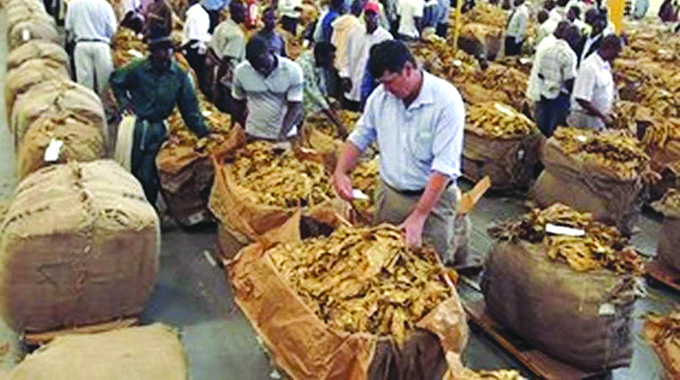
Business Writer
Tobacco sales via the auction system have so far increased by nearly 70 percent this year from last year, statistics from the Tobacco Industry and Marketing Board (TIMB) show.
TIMB acting chief executive Emmanuel Matsvaire told Business Weekly in an interview the increase was largely due to tight monitoring measures that have prevented contracting firms from buying tobacco independently financed by the farmers.
Tobacco that has so far been sold under auction has increased to roughly 10,4 million kg, from 6 million kg during the same period last year.
It is also expected the crop that would be sold through the auction system would increase to 15 percent this year, from 4 percent last year, according to Matsvaire. “What this shows is that the trading of tobacco is sanitised”.
“We are making sure that contractors only buy what they have contracted and allow free tobacco to be sold through the auction floors.
“It is a positive development and it also shows that the auction; the trading system is not dying,” Matsvaire added.
This year, auction sales are being conducted at the Tobacco Sales Floor and Premier Tobacco.
Matsvaire said the growth in auction volumes was a positive sign that the auction system could be sustained.
Over the past few years, the auction system, which determines minimum grade prices for contract sales has been falling with only 4 percent of the crop sold through auction last year.
Some industry players raised concerns over the potential collapse of the auction system, saying the dominance of contractors in the marketing of the “golden leaf” could see price manipulation in favour of the merchants, which would, in turn, frustrate tobacco farmers from growing this key commodity.
Tobacco is the country’s largest foreign currency earner after gold.
Zimbabwe’s tobacco auction system used to be the marketing model of tobacco in the world, but ‘free’ tobacco volumes have been shrinking as farmers, mostly smallholders, joined contract schemes because they lack collateral to obtain loans from the banks.
Prior to 2004, tobacco marketing was done exclusively through an auction system whereby producers mobilised the necessary cropping resources on their own and took their crop to an auction floor of their choice. However, in 2004, this system was changed after the introduction of the contract growing of tobacco.
Under the contract system, licensed tobacco buyers provide the inputs to the farmers, with the contractor—or the off-taker — guaranteeing to buy the tobacco contracted at prices (per grade) equal to or higher than those prevailing on the auction floors.
While Zimbabwe used to pride itself on a vibrant auction marketing system, the viability of tobacco farmers has, however, been seriously eroded as a result of the introduction of the dual marketing system now dominated by contract floors.
Meanwhile, tobacco deliveries are up 28 percent on the trading day of 33 this year to 116 million kg compared to 90 million kg on the same trading day last year.
The value of tobacco sold is up 29 percent to US$348 million from about US$270 million last year.
The average price is up 0,76 percent to US$3 per kg from US$2,98. This year, tobacco output is expected to increase to 230 million kg from about 200 million kg last year.



 Online Reporter