Chronicle Editor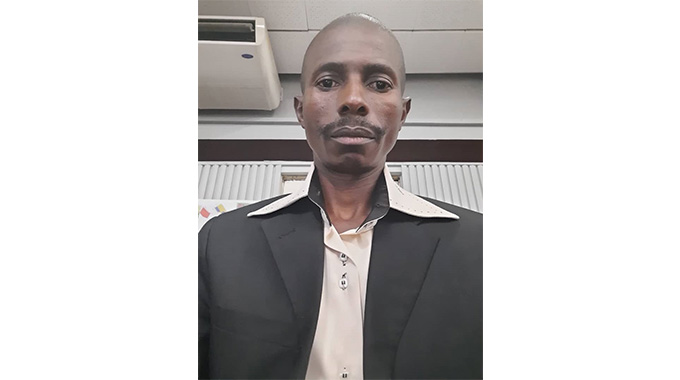
Sukulwenkosi Dube-Matutu
DURING the colonial era, black people were evicted from rich and highly productive land under the Native Land Husbandry Act by the Rhodesian State and were resettled in communal lands, then known as native reserves.
Eviction and resettlement were part of re-ordering of African agricultural settlement and development to pave the way for the white settler farmers.
Peasant farmers practised semi-subsistence cultivation and grazing husbandry under communal tenure, on generally inferior and remoter lands and with grossly insufficient inputs and underdeveloped infrastructure. This was all in a bid to make the black people less productive. There was little production in the communal areas.
The rural folk did not have access to a number of services which were centralised in white resettled areas. The infrastructure was poor thereby subjecting the indigenous people to poor living standards.
After the country gained Independence and the indigenous people got access to rich land, they have managed to transform the standard of living in the rural areas.
Some villagers are now owners of large herds of cattle and vast tracts of land. They have gone on to develop their communities through construction of state-of-the-art schools and clinics.
The indigenous people have also gone on to develop their homes by incorporating modern standards such as electrification, installing tap water, adopting solar systems and using modern styles to build their homes.
Gwanda Rural District Council chief executive officer, Mr Ranganai Sibanda said his district has recorded significant development in rural areas post-independence. He said Government has rolled out a number of initiatives to address the challenge of marginalisation that was once faced by black people in the rural areas.
Mr Sibanda said these strategies coupled with efforts from community members and other development partners have helped improve the standard of living in the rural areas.
“During the colonial period, rural life for the black people was a life of poverty and being backward. Today rural life is now more of a space for people who want to be productive on the available land no matter how small or big. We now have people who are highly productive even on small pieces of land.
“There has been a lot of development in the rural areas in various sectors. Under education, more schools have been built and designs being used now are an upgrade. More clinics have been built which has helped improve access to health care. The standard of clinics has been improved to adopt modern technologies,” he said.
Mr Sibanda said transportation has also improved to cater for villagers who are in the remote parts. He said there has also been an improvement in the agricultural sector as farmers have adopted smart farming technologies and have also maximised production on their small land.
Mr Sibanda said indigenous people have also ventured into mining, which has helped to improve the standard of living.
“We are also gradually seeing an improvement in rolling out ICT in the rural areas. There is also improvement in network coverage. Business centres are also evolving to incorporate more services for the rural folk. People now have access to various livelihood projects through various initiatives such as gardens and small livestock rearing projects,” he said.
Mangwe Rural District Council chairperson, Councillor Sindisiwe Nleya said the community in her area has gone a long way in improving their standards of living. She said villagers now have tap water, solar powered gardens and irrigation schemes.
Clr Nleya said community members working in the diaspora have also done a lot to develop their home areas.
“The development we are seeing now in the rural areas is one where the locals have taken the initiative to develop their communities. People are adopting modern systems such as use of tap water and solar energy. Even the designs of homesteads in the rural areas are now modern.
“People are shifting from the usual grass thatched huts and zinc roofed two or three-roomed houses. People have adopted designs that you find in the urban set up and some homesteads now have a flushing system for their toilets,” she said.
Clr Nleya said there are a lot of business development initiatives taking place in rural areas. She said locals were using locally available resources to get income through value addition.
Chief Bango from Mangwe District said the living standards of the rural folk has improved greatly since the attainment of Independence. He said villagers have moved from being a backward community that looked upon urbanites for “civilisation.” Chief Bango said villagers were spearheading their own development. – @DubeMatutu



 Online Reporter