Ray Bande
Senior Reporter
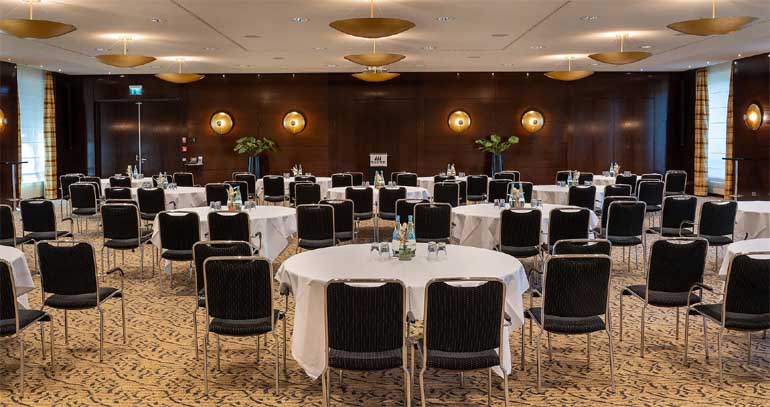
HOTELS, lodges and guest houses in the Eastern Highlands are upgrading their conferencing facilities as a survival and growth strategy amid a sharp decline in walk-in individual clients due to reduced disposable income, The Manica Post has established.
A recent check by this newspaper into the business environment of several registered operators in the Vumba area, revealed that many high-end destinations, once reliant on regular walk-in guests, are now modifying and expanding existing infrastructure as they exploit conferencing as both a survival and growth strategy.
Hospitality Association of Zimbabwe Manicaland Chapter chairperson, Engineer Kuda Mugwagwa said conferencing has become an important revenue stream because it brings more predictable business, supports room occupancy, and also benefits restaurants, transport providers, tour guides, suppliers and surrounding communities.
“As the Hospitality Association of Zimbabwe, Eastern Highlands Chapter, we have noted that a number of operators in the Vumba and wider Manicaland area are increasingly focusing on conferencing, workshops, retreats and group bookings as part of their survival and growth strategy.
“This shift has largely been influenced by reduced numbers of walk-in individual clients, especially during low seasons and mid-week periods. Conferencing has become an important revenue stream because it brings more predictable business, supports room occupancy, and also benefits restaurants, transport providers, tour guides, suppliers and surrounding communities,” said Engineer Mugwagwa.
In the Vumba area, there are an estimated 25 active hospitality operators, including hotels, lodges, guest houses, cottages and conference facilities.
Across Manicaland Province, the number is much higher, with an estimated 130 operators, taking into account Mutare, Vumba, Nyanga, Chimanimani, Chipinge and other tourism nodes.
However, these figures may vary depending on registration status and seasonal operations.
Engineer Mugwagwa said the sector still faces challenges such as reduced disposable incomes, competition from informal accommodation and high operating costs.
“Generally, the hospitality industry in Manicaland is showing signs of resilience and gradual recovery. The Eastern Highlands remains one of Zimbabwe’s strongest tourism brands because of its natural beauty, cool climate, mountains, forests, waterfalls and peaceful environment.
“However, the sector still faces challenges such as reduced disposable incomes, competition from informal accommodation, high operating costs, and the need for improved destination marketing and infrastructure,” said Engineer Mugwagwa.
He, however, expressed optimism that the sector will keep its head above water.
“That said, we remain positive. Conferencing, domestic tourism, religious retreats, school groups, corporate team-building activities and events are helping to keep the sector active. We believe that with stronger marketing, improved accessibility, and continued collaboration between operators, Government and local authorities, Manicaland can continue to grow as a leading leisure and business tourism destination,” said Engineer Mugwagwa.
Early this year, Cabinet approved an ambitious plan to accelerate tourism development in the Eastern Highlands, a move aimed at unlocking investment, modernising infrastructure, and positioning Manicaland as a premier destination.
The Plan for the Targeted Development of Tourism Attractions in the Eastern Highlands, presented by Tourism and Hospitality Industry Minister, Honourable Barbara Rwodzi, forms part of the Second Republic’s broader economic transformation agenda.
The initiative comes as the tourism sector rebounds strongly, recording 10 percent growth in receipts and contributing six percent to Zimbabwe’s Gross Domestic Product.
Tourism players turn to conferencing