Chronicle Editor
Nqobile Bhebhe, [email protected]
Seed houses have been urged to distribute suitable seed varieties, especially traditional grains, according to agro-ecological zones. This approach is a crucial strategy in countering the negative impacts of climate change, said Professor Obert Jiri, permanent secretary of Lands, Agriculture, Fisheries, Water, and Rural Development, yesterday.
Delivering a keynote address at the one-day Zimpapers Traditional Grains Conference, Professor Jiri emphasised that what is grown in an agro-ecological zone is determined not by what the farmer wants but by the exigencies of that agro-ecological region.
Studies show that crops from farmers who embrace agro-ecological matching fare better than those produced without considering specific regional requirements. Embracing agro-ecological matching, therefore, marks the first step towards achieving food security and reducing dependency on maize for subsistence.

The implementation of this strategy has led to an increase in the cultivation of traditional grains, especially in the southern provinces of the country. Farmers in regions 4 and 5, and other areas that receive below-normal rainfall, have been urged to focus on growing traditional grains, which are known to be far more drought-tolerant than maize.
Traditional crops such as sorghum, millet, and rapoko are slowly becoming popular as people become aware of their high nutritional value and improvements in technology, which have seen the introduction of machinery for processing them.
Professor Jiri said his ministry is constantly grappling with ensuring food security in the country. He spoke in the context of the effects of climate change, which he said are not relenting.
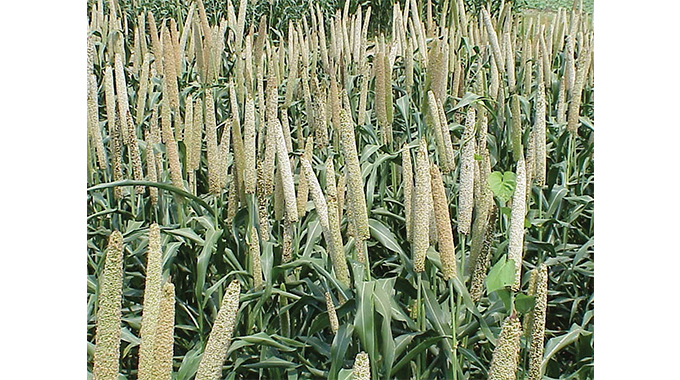
The conference, organised by our sister paper, Sunday News, drew in academics, seed houses, and other diverse stakeholders. The event was held under the theme: “Unlocking the Potential of Traditional Grains for Food and Feed Security.”
Professor Jiri said the agricultural ecosystem must follow the agro-ecological targeting system to advance the traditional grains adaptation agendas.
“Traditional grains are the way to go in the face of climate change. In 2020, academics and researchers agreed that the agro-regions used were outdated on account of climate change. That necessitated a change in agro-ecological regions, which also entailed a change in crop cultivation per region. Agro-ecological regions must be adhered to. Farmers should not decide what to grow but must follow the dictates of agro-ecological regions. This is how we would operationalise agro-ecological mapping.
“We must respect crop suitability mapping, and this includes seed houses. This is our plea; seed houses must not push traditional grain varieties in inappropriate regions. We need the co-operation of seed houses if the traditional grains agenda is to work,” he said.
He added that fertiliser firms should also play their part in developing fertiliser brands suitable for traditional grains.
“Fertiliser firms should also produce traditional grains blends to ensure successful yields,” he said.
Traditional grains are crucial in Zimbabwe’s agricultural sector, contributing to food security, nutrition, and sustainable livelihoods.
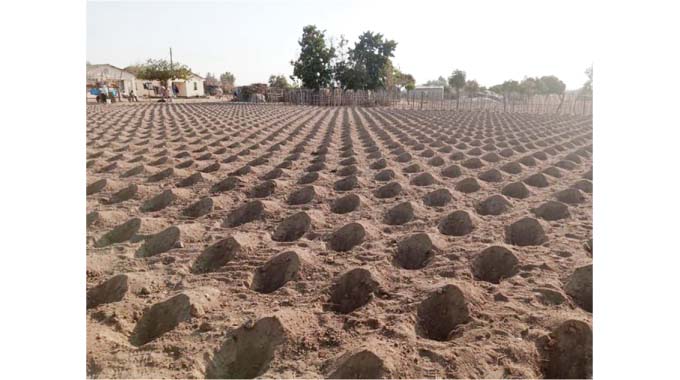
The conference followed the approval of the Summer Plan for the 2024/25 season by Cabinet, focusing on agro-ecological mapping and climate-proofing at household (Pfumvudza/Intwasa) and national levels (irrigation), with the Presidential Input Programme enhancing traditional grain seed provision.
The southern parts of the country, including the Matabeleland, Midlands, and Masvingo provinces, are most suitable for growing small grains such as sorghum and pearl millet, aligning with climate patterns and ecological zone profiling.
During the engagement, it was pointed out that there is a need for an elaborate development of a traditional seed bank with strong genetics. A seed bank would only be realised through the collaboration of seed houses, researchers, growers, the private sector, and the Government.
It was noted that the private sector is not keen on funding traditional grain projects, a development that needs to change in order for the country to be food and seed-secure.



 Online Reporter