Online Reporter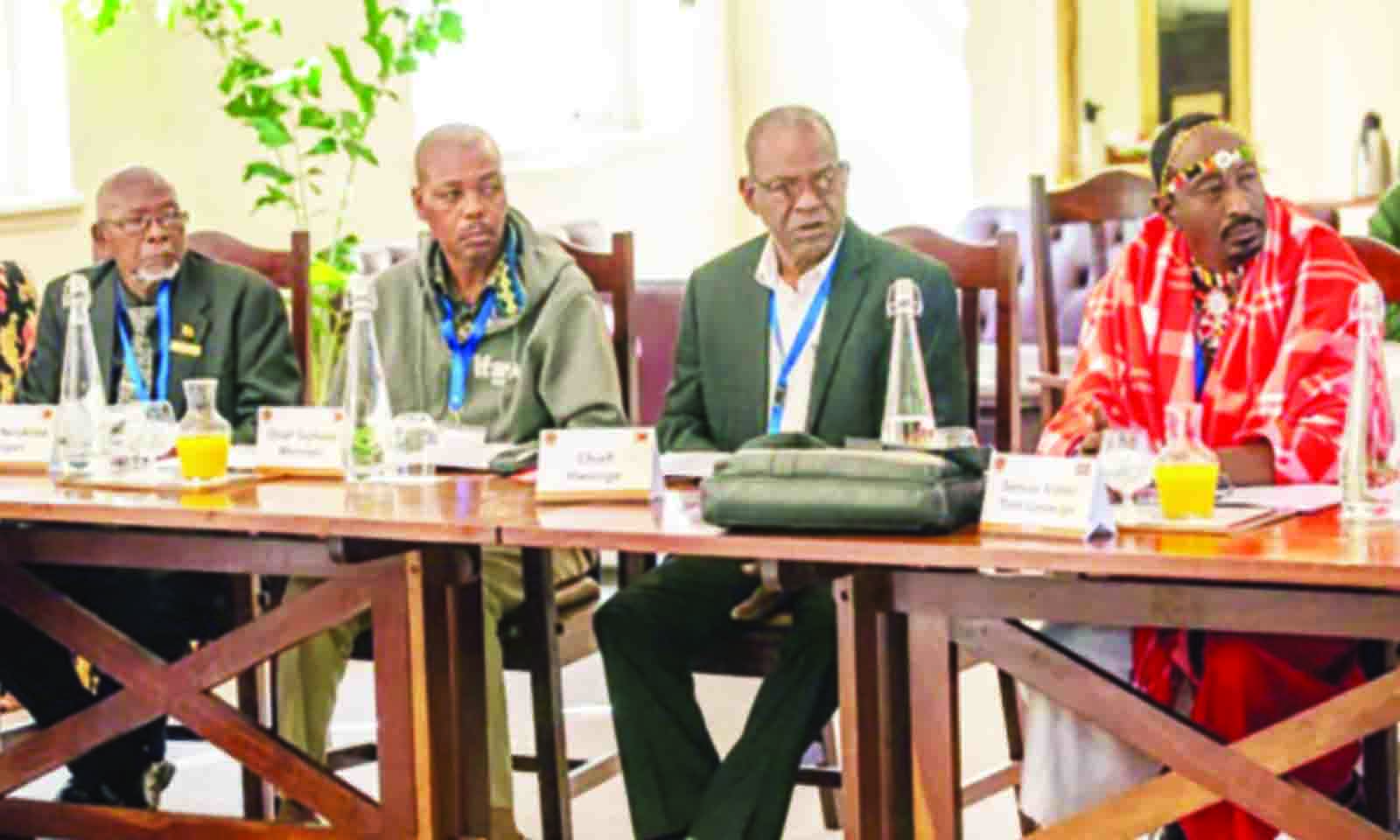
Gibson Mhaka
Zimpapers Politics Hub
WHILE the devastating impact of human-wildlife conflict, climate change and environmental degradation is ravaging communities the world over, the crucial role of traditional authorities is being overlooked.
Traditional leaders, who have long been instrumental in the governance of people in various rural communities, play a crucial role in supporting conservation efforts, developing sustainable solutions and adapting to climate change.
Defined as local elites who derive legitimacy from custom, tradition and spirituality, these leaders are custodians of ancestral lands and possess invaluable indigenous ecological knowledge for the protection and conservation of environmental resources.
The involvement of traditional leaders in conservation efforts is a critical factor contributing to the success of countries with abundant biodiversity.
Unfortunately, many biodiversity policies in developing countries, including those in Zimbabwe, often overlook the perspectives of traditional leaders, thereby limiting the effectiveness of both conservation initiatives and crucial climate change adaptation strategies.
Against that background, 15 traditional leaders from across Africa, representing communities that live alongside wildlife, recently gathered in Victoria Falls for the second edition of the African Traditional Leaders Conservation Network (ATLCN).
They convened to voice the importance of their involvement in protecting key landscapes that allow animals and people to thrive together, and to share insights on fostering peaceful coexistence with wildlife.
Hosted by the International Fund for Animal Welfare (IFAW), the week-long workshop was held under the theme: “Connected for Sustainable Conservation and Coexistence.” It aimed to address human-wildlife conflict and promote sustainable, community-led conservation.
The workshop brought together traditional leaders from Kenya, Malawi, Zambia, Namibia, Botswana, and Zimbabwe — countries where communities frequently face challenges in sharing landscapes with elephants, lions, and other wildlife.
During the event, the leaders explored strategies for community-led conservation, land use planning, and the revival of indigenous knowledge systems to mitigate conflict.
IFAW president and CEO, Mr Azzedine Downes, said traditional leaders play a pivotal role in conservation efforts.
“The idea first came to us when we realised that the people living with wildlife did not have a voice. Traditional leaders can provide that voice. The objective of this meeting is to establish community-led conservation practices so that investment flows directly to these communities,” he said.
Mr Downes said that the workshop had sparked important discussions on reviving indigenous knowledge.
“We heard from leaders in Zambia and Zimbabwe that much of this wisdom has been lost. How do we pass it to younger generations? Our ancestors knew how to live safely with wildlife. Now, we are exploring ways — through music, poetry, radio, or youth wildlife clubs — to reclaim that knowledge and reduce human-wildlife conflict,” he said.
Chief Lukwa of Malawi, who chairs ATLCN, said the goal is to see wildlife populations thrive under community stewardship.
“We shared ideas on how to coexist with animals and share space sustainably. IFAW is assisting governments and traditional leaders across Africa with expertise on land-sharing solutions. The workshop greatly benefited our governments, communities, and wildlife departments,” he said.
Chief Siphoso of Tsholotsho echoed the sentiment.
“The workshop was vital for promoting harmony between humans and wildlife. By learning from each other, we can implement strategies that protect both our people and our natural heritage,” he said.
He said that the workshop aims to strengthen community leadership and ensure that local people are central to conservation decision-making.
“We are also looking at livelihood development, linking conservation to tourism revenue and job creation — as well as conflict mitigation through the revival of traditional practices, such as using chilli fences to deter elephants,” he said.
Given that one of the aims of the United Nations Sustainable Development Goals (SDGs) is to protect the planet, conserve natural resources and promote the sustainable use of ecosystems by 2030 the role of traditional leadership in achieving these goals cannot be underestimated, because they possess valuable indigenous knowledge, which can contribute significantly in promoting environmental sustainability and ensuring the effective implementation of the SDGs at the community level.
Research also reveals that the indigenous knowledge systems of local people, embedded in their culture, are effective tools for conserving natural resources.
In a similar initiative, traditional leaders in Gwanda District, Matabeleland South Province, are also taking a proactive role in educating communities about climate change adaptation and mitigation, ensuring farmers adopt optimal agricultural practices.
Following a review meeting for the Locally Led Indigenous Nature-based Solutions for Climate Change Adaptation in Zimbabwe (LINCZ) project in Gwanda, Chief Masuku emphasised the need for continuous engagement with communities on climate change issues.
“People are seeing that the situation is no longer the same in terms of weather patterns, but changing their perspective and way of doing things is another issue,” he explained.
“There’s a need to continue sensitising communities on climate change mitigation and adaptation, and that’s why, as traditional leaders, we’ve taken it upon ourselves to help spread the message. Some practices followed by villagers are informed by cultural beliefs and rituals, and it takes time to get through to them and change their ways.”
Chief Kgwatalala highlighted efforts by traditional leaders to engage farmers on the importance of altering their farming practices.
He noted that some farmers in dry areas persist in growing maize instead of focusing on traditional grains.
Chief Kgwatalala also pointed out that some villagers insist on keeping large herds of cattle, even when most are unproductive.
He affirmed that chiefs would continue to engage with communities, stressing the need for more irrigation schemes and solar-powered gardens to support agricultural production.
“We are utilising various platforms, such as community meetings, to educate the people,” he said.
“Climate change is affecting families, and livelihoods are being threatened, which means people have to change their way of doing things. Gone are the days for people to boast about planting a big area when they will harvest little because of poor crop choice.
“We don’t want people boasting of having large herds of cattle when the bulk are not productive. As traditional leaders, we want our people to be productive so they can be food-secure and contribute to the country’s development agenda.”
This approach highlights a fundamental difference in perspective, indigenous leaders view climate change not merely as a scientific puzzle, but as a lived reality deeply intertwined with their identity, history, and survival.
They are more than just advocates; they are on the frontlines of a battle that encompasses not only environmental survival but also cultural preservation.
This deep connection stems from generations of living with and adapting to weather uncertainty and a host of related environmental challenges.
Recognising this profound connection and their historical role, traditional leaders have also been identified as critical allies in the fight against environmental degradation.
Speaking recently during the Climate Green Economy and Environmental Sustainability Traditional Leaders Indaba held in Bulawayo, Environmental Management Agency’s environmental planning and monitoring officer, Ms Orpah Ruzawe, stated that traditional leaders are not just custodians of culture and heritage but are also pivotal in driving environmental protection efforts at the grassroots level.
“Traditional leadership plays a fundamental role in identifying environmental challenges and co-creating solutions. They are the first line of response in community-level environmental crises,” said Ms Ruzawe.
She said when traditional leaders document and track environmental issues, it becomes a powerful tool to monitor service delivery, reduce conflicts and promote collaboration between communities and local authorities.
“This approach strengthens community stewardship and fosters lasting partnerships. We cannot succeed without traditional leaders. Their involvement ensures that national environmental policies are implemented where it matters most, in the communities,” said Ms Ruzawe.
Speaking at the same function, Chiefs Council president Chief Mtshane Khumalo said traditional leaders have long been the backbone of local governance and remain vital in modern efforts to address environmental challenges.
“With historical roots that predate modern governance systems, traditional leaders have shaped national identity, fostered unity and safeguarded cultural heritage.
“Today, that role must evolve to include the preservation of our environment, which is under serious threat,” he said.
Chief Mtshane Khumalo noted that as custodians of both natural and cultural heritage, traditional leaders preside over land-use practices, resolve conflicts and shape values that influence community behaviour towards the environment.
However, he warned that modernisation, urbanisation and global cultural influences continue to erode traditional authority, making it more difficult for traditional leaders to assert their roles in governance.
The increasing recognition of traditional leaders as crucial partners in addressing human-wildlife conflict, climate change, and environmental degradation marks a pivotal shift.
Their inherent connection to the land, coupled with invaluable indigenous knowledge systems and established community governance structures, positions them as indispensable in crafting and implementing effective, localised solutions.
Moving forward, the successful safeguarding of Africa’s rich biodiversity and the well-being of its communities will hinge on integrating their perspectives into national policies and empowering them with the resources necessary to champion environmental stewardship at the grassroots.