Online Reporter
Rutendo Nyeve in Victoria Falls
ZIMBABWE’S rich tapestry of traditional products, which include hand-crafted delicacies and agricultural treasures is fast gaining global recognition as not just symbols of cultural identity, but as powerful tools for economic growth.
The World Intellectual Property Organisation (WIPO) has expressed admiration for the country’s unique local offerings, describing them as “engines of sustainable economic opportunity.” This recognition came during the official opening of the Worldwide Symposium on Geographical Indications (GIs) in Victoria Falls yesterday, the first time the prestigious event has been held in Africa.
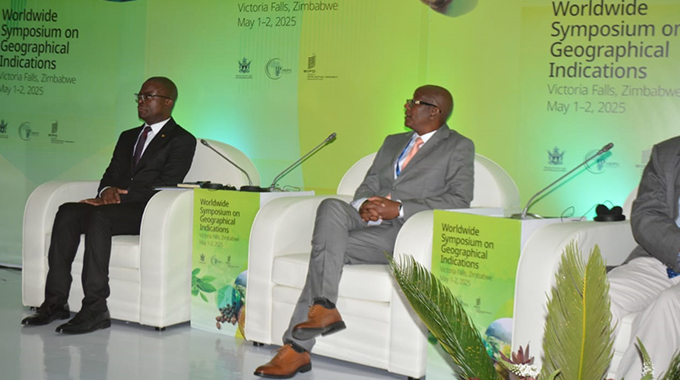
WIPO deputy director-general of the Brands and Designs Sector, Mrs Wang Binying, lauded Zimbabwe’s move to accede to the Geneva Act of the Lisbon Agreement, a move she said reflects the country’s clear vision to harness the power of GIs.
“Zimbabwe is a country where the connection between place, tradition and product is vividly alive. Throughout our discussions, we have seen how Zimbabwe’s unique local products, which are rooted in land, heritage and local knowledge, are not only symbols of identity but also engines of sustainable economic opportunity,” she said.
“Zimbabwe’s intent to accede to the Geneva Act reflects a clear vision, one that recognises the power of geographical indications to protect identity, drive development, and showcase cultural heritage on a global stage.”
Geographical Indications (GIs) are distinctive labels that link a product to a specific region, where its qualities, reputation or characteristics are directly tied to that origin. These can include food items, crafts, beverages, or even natural resources that embody a region’s heritage.
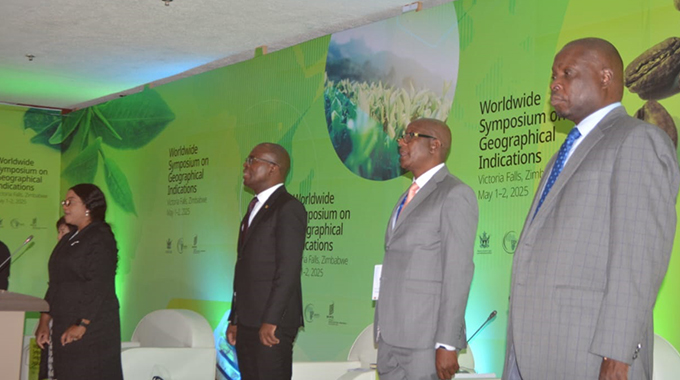
Since the last GI Symposium, seven new countries have acceded to the Geneva Act, expanding the Lisbon Union to 73 countries, a sign of growing international interest in protecting geographical origins.
“At WIPO, our support does not end with accession or registration. We work with member states and communities to transform legal recognition into lasting impact,” Mrs Binying noted.
She cited the example of Rwenzori Mountains of the Moon Coffee in Uganda, where WIPO supported the country’s first registered GI. The initiative reached over 200 stakeholders, from co-operatives to legal experts, and offered training, awareness campaigns and promotional support.
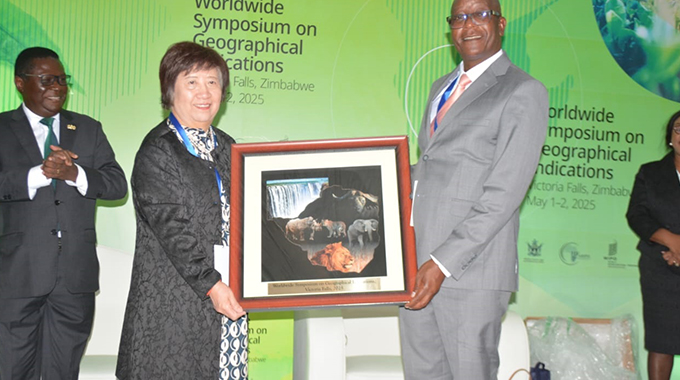
“This is just one example of how locally rooted action, supported by strong partnerships, can bring GIs to life beyond registration,” said Mrs Binying.
Hosting the symposium in Victoria Falls, a Unesco World Heritage Site, added special significance to the discussions. Mrs Binying said the location itself exemplifies the essence of GIs.
“Victoria Falls is not just a spectacular natural wonder. It’s a symbol of how geography shapes identity. Places are more than physical, they are cultural, emotional, and, when carefully protected, deeply transformational,” she said.
The symposium brought together global experts, producers, and policymakers to explore themes such as sustainability, traditional knowledge, tourism, and inclusive governance — all essential components in the effective use of GIs.
“Whether it is through better governance, stronger producer associations, or improved access to value chains, WIPO continues to work alongside national and local partners to help build systems that are resilient, inclusive, and ready to grow,” said Mrs Binying.
On Thursday, the sessions gave a rich start with engaging discussions on international developments and valuable insights on the intersection between geographical indications and common names. Yesterday, soon after the official opening, the symposium turned to equally important themes, including the relationship between GIs and tourism, traditional knowledge, sustainability, and governance.
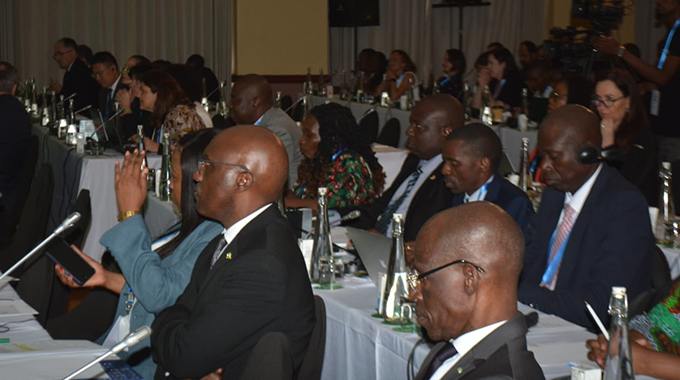
Mrs Binying said these conversations remind members that the value of geographical indications is often inseparable from the places they represent, making the setting of this year’s Symposium especially meaningful.
“Victoria Falls is not only a Unesco World Heritage Site — it is a powerful symbol of how geography shapes identity.
It reminds us that places are more than physical; they are cultural, emotional, and, when carefully protected, deeply transformational,” she said.
“This is precisely what geographical indications seek to reflect and preserve”.