Sikhumbuzo Moyo
[email protected]
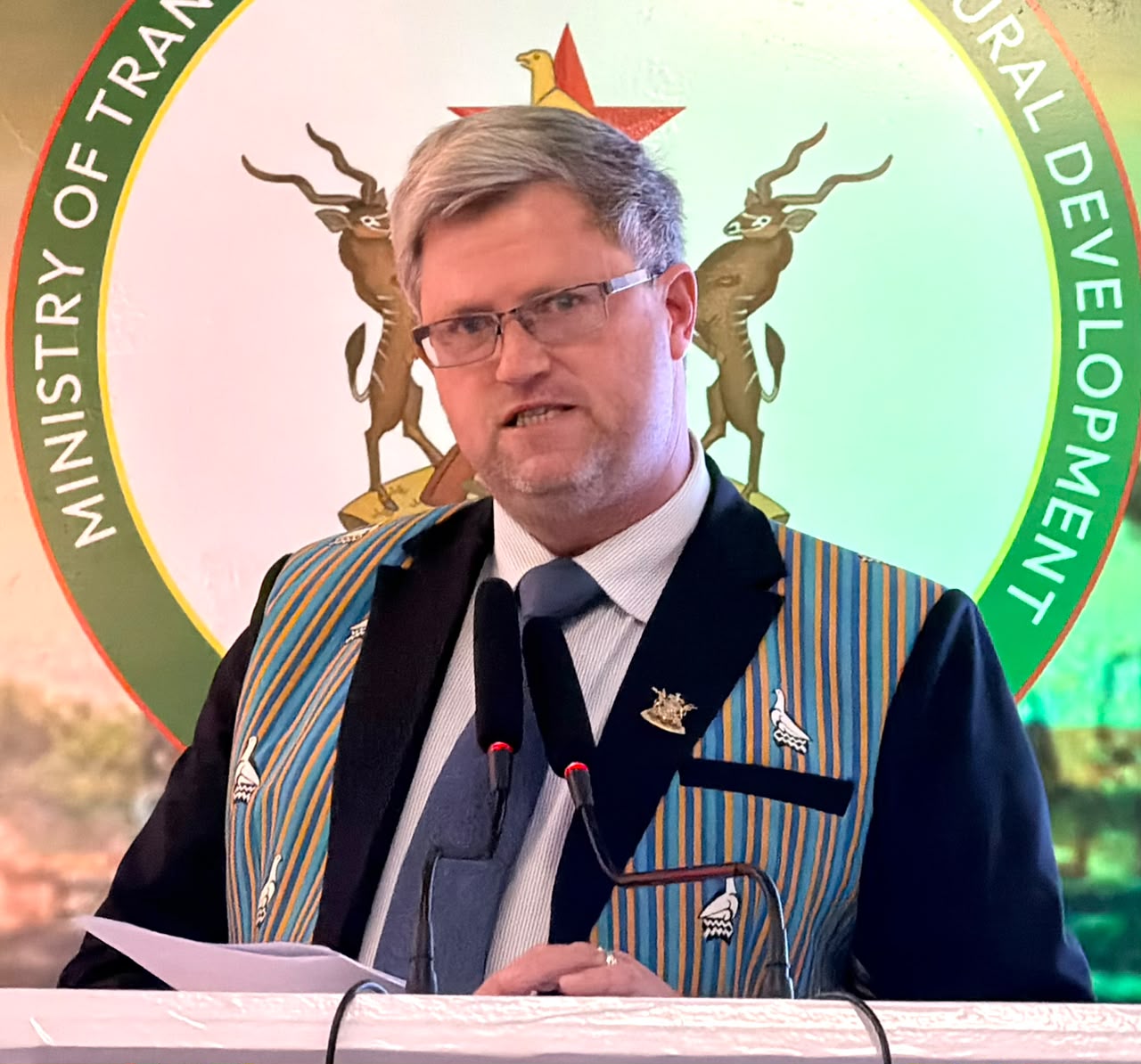
ZIMBABWE’s transport sector remains one of the key enablers of economic transformation, with efficient transport infrastructure playing a critical role in facilitating trade, investment, tourism, agriculture, mining and industrialisation, Deputy Minister of Transport and Infrastructural Development Joshua Sacco has said.
Speaking during the Ministry’s Mid-Term Strategic Plan Review Workshop in Bulawayo on Friday, Deputy Minister Sacco said the review comes at a crucial time as the country embarks on the implementation of the Second National Development Strategy (NDS2), which runs from 2026 to 2030.
He said the workshop provided an important platform for honest reflection, evidence-based assessments and strategic planning as the ministry consolidates its contribution towards the attainment of Vision 2030.
“This gathering is not merely an administrative exercise. It is a critical accountability platform where we measure ourselves against the national results framework and our sectoral results framework, ensuring that our programmes and projects remain aligned to national priorities and deliver tangible benefits to the people of Zimbabwe,” said Deputy Minister Sacco.
He urged departments, agencies and State-owned enterprises under the ministry to objectively assess their performance and contribution towards the ministry’s strategic objectives.
Deputy Minister Sacco said performance management had become an integral part of public sector governance, enabling institutions to celebrate achievements, identify implementation bottlenecks and institute corrective measures to ensure the attainment of intended outcomes.
He noted significant progress in the road sub-sector under the Emergency Road Rehabilitation Programme, highlighting the near completion of the Harare-Masvingo-Beitbridge Highway.
“The Harare-Masvingo-Beitbridge Highway, one of the country’s most strategic economic corridors, is now approaching completion, with approximately 35 kilometres remaining. We need to finish it this year so that we can move on. The bridges that were holding us back have been completed and commissioned,” he said.
Deputy Minister Sacco said completion of the project would strengthen regional trade connectivity and position Zimbabwe to fully benefit from its strategic location at the centre of Southern Africa.
“The longer we wait, the more traffic will be diverted through neighbouring countries and we need to move now with speed to complete this project,” he said.
He said Government would continue prioritising other strategic road corridors critical for national and regional integration, including the Bulawayo-Victoria Falls Road, Harare-Kanyemba Road, Harare-Nyamapanda Road and the Harare-Chirundu Road.
The Deputy Minister also stressed the importance of developing supporting infrastructure such as toll plazas, weighbridges and border posts to facilitate the efficient movement of people and goods.
While acknowledging the importance of road infrastructure, Deputy Minister Sacco said sustainable transport development required a balanced and integrated multimodal transport system.
He called for renewed investment in the rail sector, saying the revitalisation of the railway network would reduce pressure on roads while providing a safer, more efficient and cost-effective means of transporting bulk cargo.
“Rail transport remains indispensable to Zimbabwe’s industrialisation agenda and regional competitiveness,” he said.
Deputy Minister Sacco expressed optimism that ongoing efforts to revive the National Railways of Zimbabwe would bear fruit, citing engagements between Government and international investors, including China Rail International Group.
He said successful revitalisation of the rail sector would play a key role in improving the movement of minerals, agricultural produce and other heavy cargo while enhancing Zimbabwe’s competitiveness within the region.