

 Online Reporter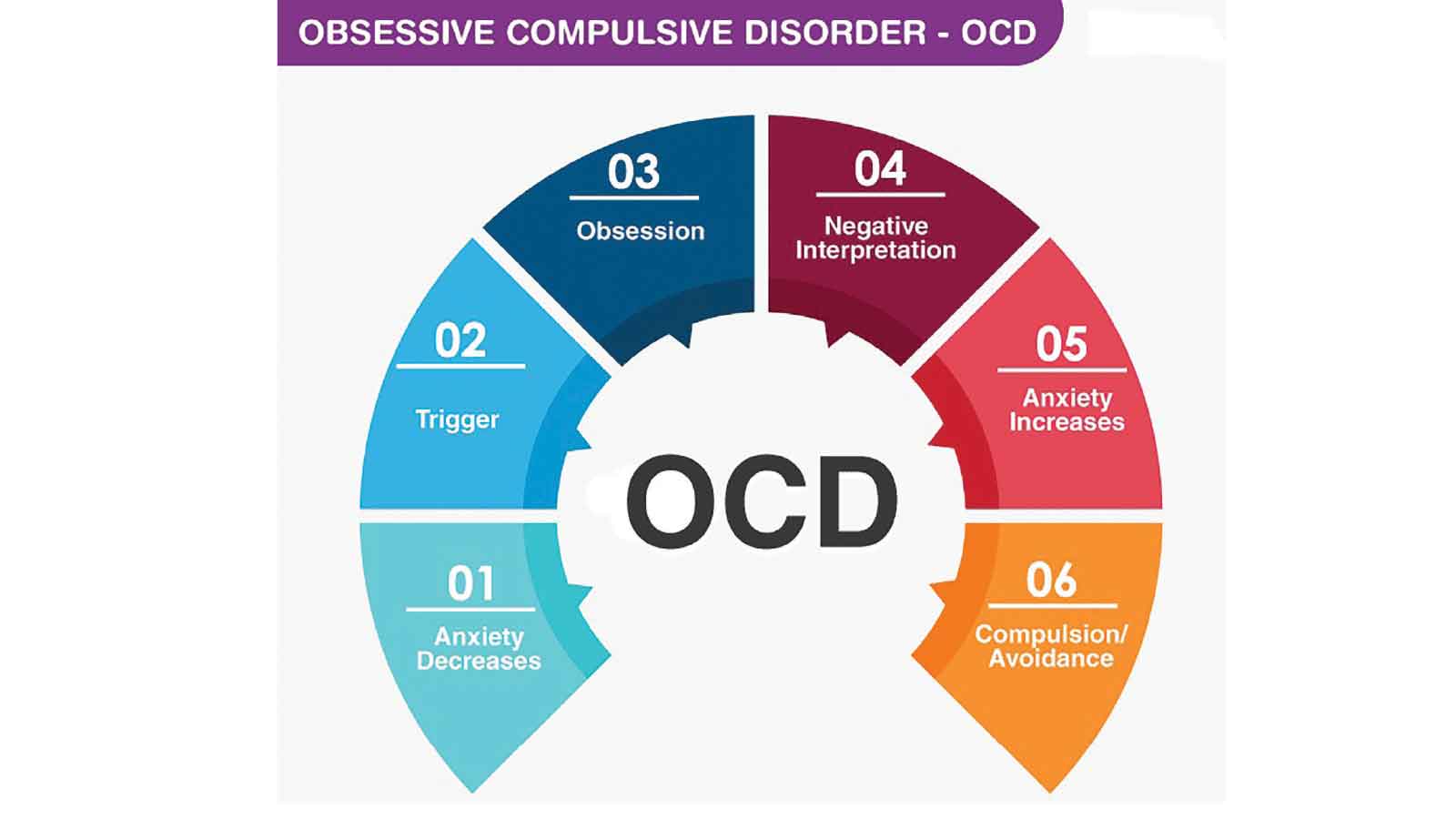
Rumbidzayi Zinyuke
Health Buzz
Have you ever encountered someone who will not rest until they have double-checked that every door is locked before going to sleep or leaving the house?
The same person feels compelled to wipe down a table again and again, even when it is already clean, just in case a spot was missed.
Imagine spending hours each day cleaning, unable to tolerate even a speck of dust on the floor or a book slightly out of place on a shelf.
The cushions must be perfectly aligned, surfaces repeatedly disinfected, and hands washed over and over until they feel “just right”. Even then, the doubt lingers.
Traditionally, such people are sometimes said to have “shavi redona”, referring to a spirit associated with an obsessive, frantic need to clean, tidy or organise. In clinical terms, however, this behaviour is linked to Obsessive Compulsive Disorder (OCD).
While it may be easy to attribute such behaviour to spiritual causes, for people living with OCD these are not habits or preferences. They are overwhelming urges driven by anxiety, forming part of a relentless cycle that can quietly consume everyday life.
Obsessive Compulsive Disorder is a mental health condition characterised by unwanted, recurring thoughts, known as obsessions, and repetitive behaviours or mental acts, known as compulsions.
These compulsions are not performed out of preference, but as an attempt to reduce the intense anxiety triggered by the obsessions. The relief they provide is often brief, reinforcing a cycle that becomes increasingly difficult to break.
Globally, OCD affects an estimated one to three percent of the population, placing it among the more common psychiatric conditions. Studies suggest that up to three percent of people will experience it at some point in their lives, with some populations recording even higher prevalence.
While Zimbabwe lacks comprehensive national data on OCD, mental health experts say the condition is likely underdiagnosed and underreported, hidden beneath layers of stigma, limited awareness and constrained access to specialised care.
What makes OCD particularly challenging is the way it embeds itself into ordinary routines. A person may spend a long time washing their hands because of a persistent fear of contamination, even when they recognise that the fear is excessive.
Another may repeatedly check locks, switches or appliances, driven by an overwhelming sense of responsibility to prevent harm. Others experience deeply distressing intrusive thoughts, sometimes violent, taboo or contradictory to their values, and this can cause intense shame and confusion.
Contrary to popular belief, OCD is not about being neat, organised or particular.
The casual use of the term in everyday language has contributed to a dangerous misunderstanding of the condition. In reality, many people with OCD are acutely aware that their thoughts and behaviours are irrational, yet feel powerless to stop them.
This internal conflict often leads to frustration, embarrassment and isolation, pushing individuals to suffer in silence.
The impact on daily life can be profound.
OCD can interfere with work, school and relationships, as routines become increasingly time-consuming and difficult to control.
In severe cases, individuals may struggle to leave their homes or maintain employment. Research indicates that nearly half of those living with OCD experience significant impairment in their daily functioning, highlighting the condition’s potential to erode quality of life if left untreated.
The burden is even heavier in low-resource settings. Globally, only a small proportion of people with OCD receive appropriate treatment, with access dropping sharply in low- and middle-income countries.
In some areas, fewer than one in ten individuals with the disorder are able to access care.
For Zimbabwe, where mental health services are already stretched and often focused on more visible conditions such as depression, substance use and severe psychiatric disorders, OCD remains largely overlooked.
Yet the condition often begins early in life.
Research shows that most cases emerge before early adulthood, with many individuals experiencing symptoms during adolescence.
Without early intervention, OCD can become chronic, shaping a person’s development, education and social interactions. It is also commonly linked with other mental health conditions, including anxiety and depression, further compounding its impact.
Despite these challenges, there is hope.
OCD is treatable, and many people are able to manage their symptoms effectively with the right support.
Experts say psychological therapies, particularly cognitive behavioural therapy tailored to OCD, have been shown to help individuals confront and gradually reduce their compulsions.
Medication can also play an important role in managing symptoms, especially in moderate to severe cases.
However, the challenge is not the absence of treatment, but the gap between those who need it and those who can access it.
Stigma remains one of the biggest barriers. In many communities, mental health conditions are still misunderstood or associated with weakness, spiritual causes or personal failure. This discourages people from seeking help and delays diagnosis, sometimes for years.
In Zimbabwe, ongoing efforts to strengthen mental health services, including community-based interventions and the integration of mental health into primary healthcare, offer an opportunity to bring conditions like OCD into sharper focus.
However, experts say more needs to be done to raise awareness, train healthcare workers to recognise symptoms early, and ensure that appropriate services are available and accessible.
Public understanding is a critical starting point. Recognising that OCD is a medical condition, rather than a personality trait, can help shift attitudes and open the door to more compassionate conversations.
It also empowers individuals to seek help without fear of judgement, while encouraging families and communities to provide support rather than dismiss.
For those living with OCD, even small improvements in awareness can make a significant difference. Being understood can ease the burden of isolation that often accompanies the disorder.
As Zimbabwe continues to confront a growing mental health burden, particularly among young people, conditions like Obsessive Compulsive Disorder must not be left behind.
They may be less visible, but their impact is no less real.
Ultimately, OCD is not about habits or preferences. It is about a mind caught in a loop, seeking certainty in a way that never quite satisfies.
Breaking that loop begins with awareness and the willingness to see the condition for what it truly is.
Feedback: [email protected]



