malvernmugadzikwa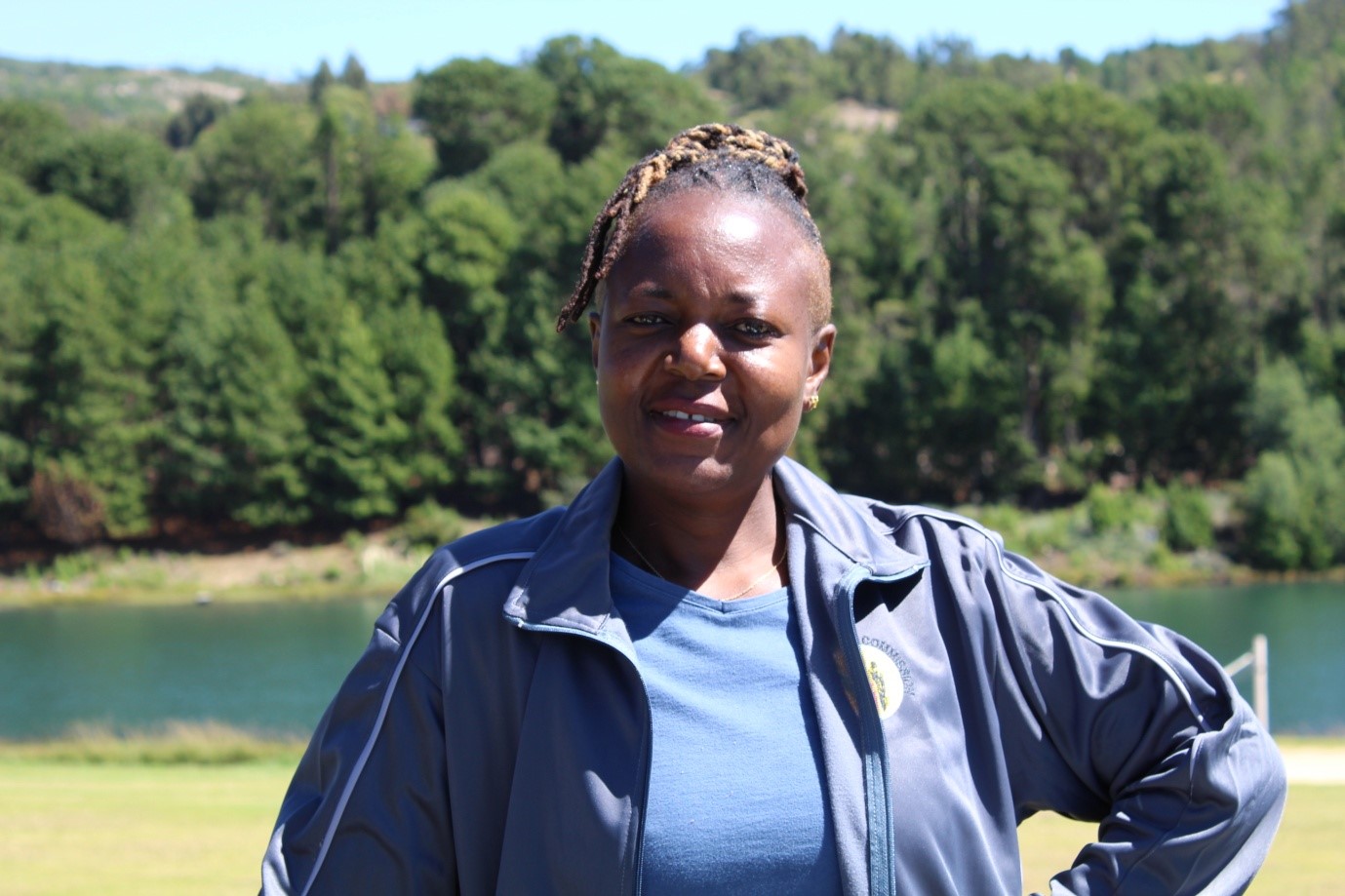
Miriam Tose Majome
WHO tells the storyteller’s story?
Journalists are used to being the ones who tell other peoples’ stories, yet balk at the idea of their own stories being told.
Journalists do not like being written about, and so their stories go untold.
Through the stories that journalists narrate, we know about the personal struggles of sportspeople, politicians, musicians and other celebrities with homelessness, unemployment, legal problems, financial challenges, drug addiction, alcoholism, domestic violence, depression, et cetera.
Many celebrities who fall on hard times sometimes find help and relief from well-wishers only because a journalist has told their story.
But who tells the stories of homeless journalists who have lost their jobs and fail to find new ones?
They quickly fade into oblivion — forgotten like their last story.
Hardly anyone even notices they are not there anymore.
We never even know some of their names because we only care about the stories they tell us, like they want us to.
Journalists are exposed to many different traumas in their work, which they are ill-equipped to deal with.
They are usually the first to arrive at accident scenes totally unprepared for the scary situations that greet them, which are marked by mangled bodies, among other things.
They relive all the horrors when they report the stories.
Their mental state and health are just collateral damage in telling the story — just an occupational hazard.
They are left to their own devices to heal and just get on with it.
They file their story and go home, only to turn up in the newsroom the next day to tell another story.
Many have been arrested and thrown into prison cells with common criminals.
The experience of being arrested is the same, whether one is wrong or right.
The loneliness and pain of being behind bars and realising that only their families care about them is traumatic, and many never heal from the experience.
That journalist who files heart-tugging pieces about drug addiction, depression or domestic violence could be battling their own demons.
Many journalists are walking those chequered paths or have already done so but no one will ever know, not even colleagues who sit opposite them in the newsroom as they all cheerily work and chat away as usual.
Some journalists have even committed suicide — leaving colleagues, who swore they were “normal” as always, shell-shocked.
There is no entity that is legally mandated to cater for the welfare of journalists.
It is left to the good graces of employers and journalists’ associations to conduct their own mental health and wellness programmes.
It is not out of callousness or wilful lack of care, but most media industry employers are seized with pressing concerns of running the business and pushing the news out on time.
The media environment is fast-paced and always chasing deadlines.
It is, thus, difficult to notice that one person, among many, is in depression or is engaging in drug or alcohol abuse.
It also does not help that media personnel attend endless social events where alcohol is literally thrown at them.
Journalists’ associations and unions are also seized with important matters like pressing for better working conditions to the neglect of equally vital issues that affect media personnel mentally.
Zimbabwe Union of Journalists secretary-general Perfect Hlongwane noted that the organisation was very much alive to the mental health issues that afflict media personnel.
He said the union has plans to engage mental health professionals to work with them to render psycho-social support and counselling services where they are needed.
Miriam Tose Majome is a commissioner with the Zimbabwe Media Commission.



 Online Reporter