Robin Muchetu Health and Gender Editor
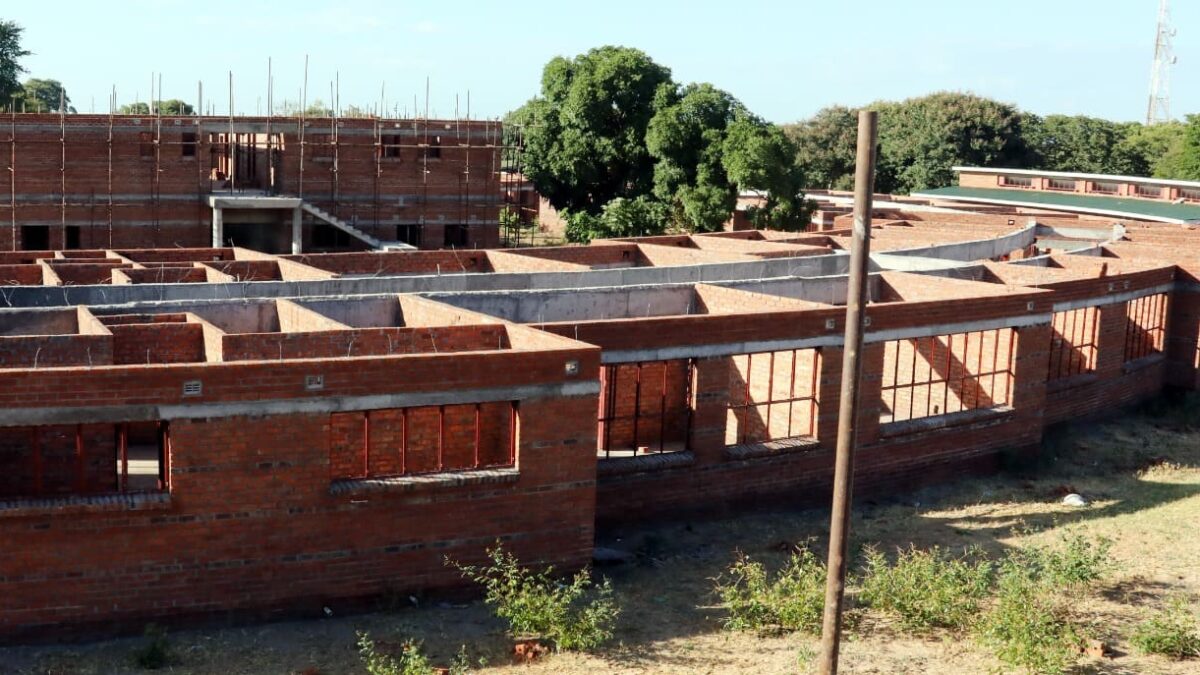
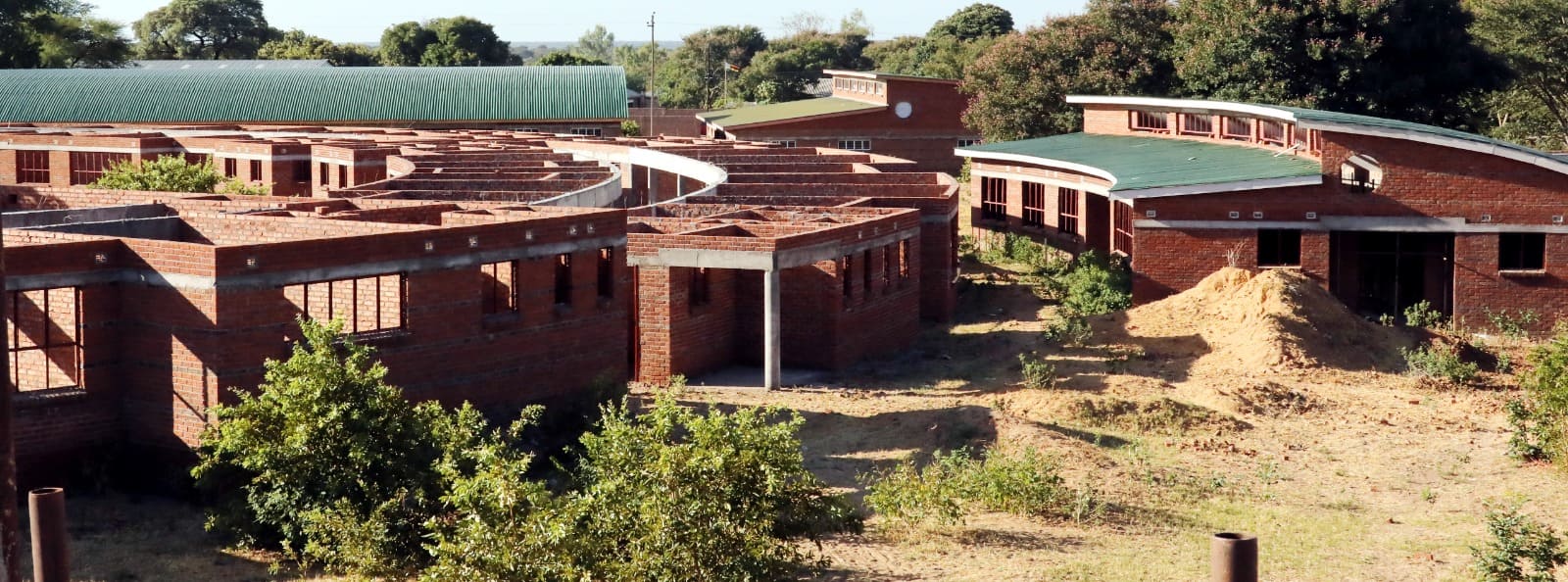
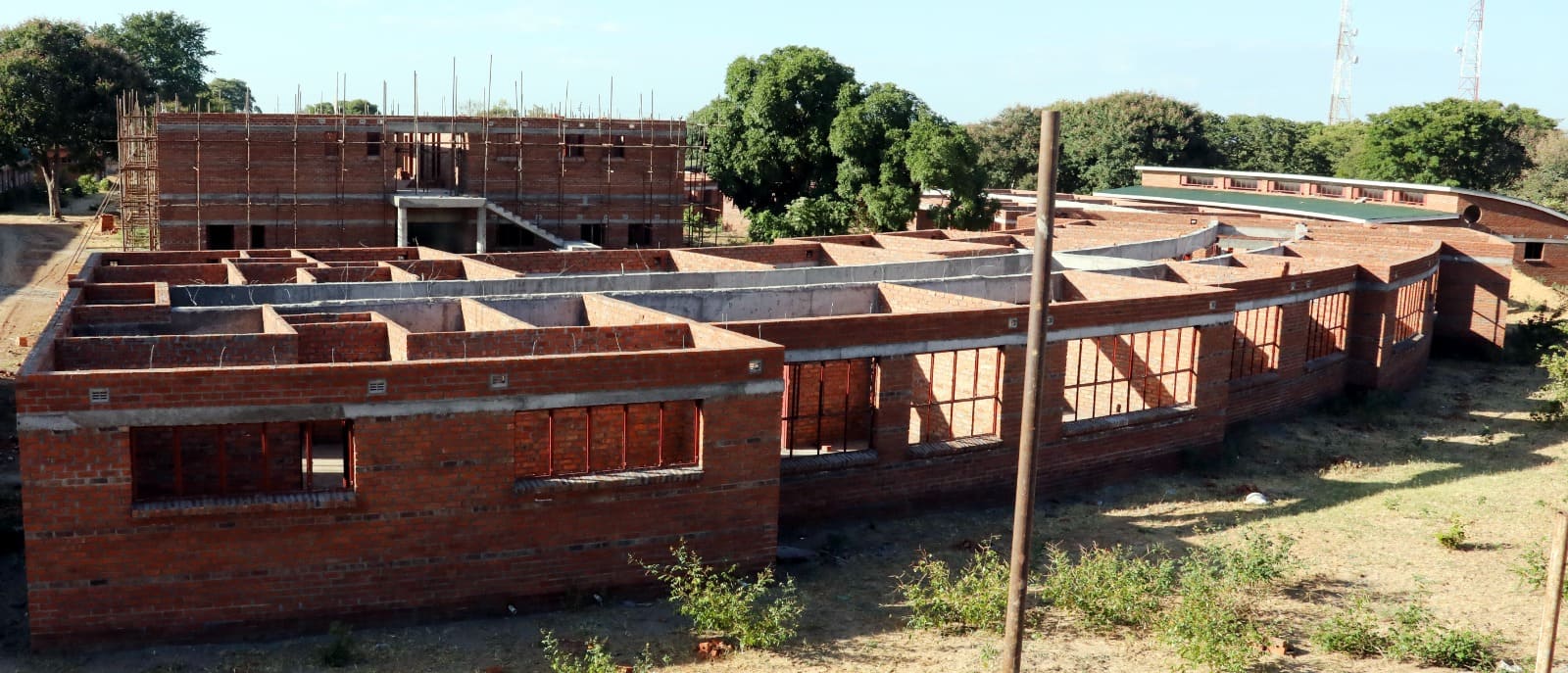
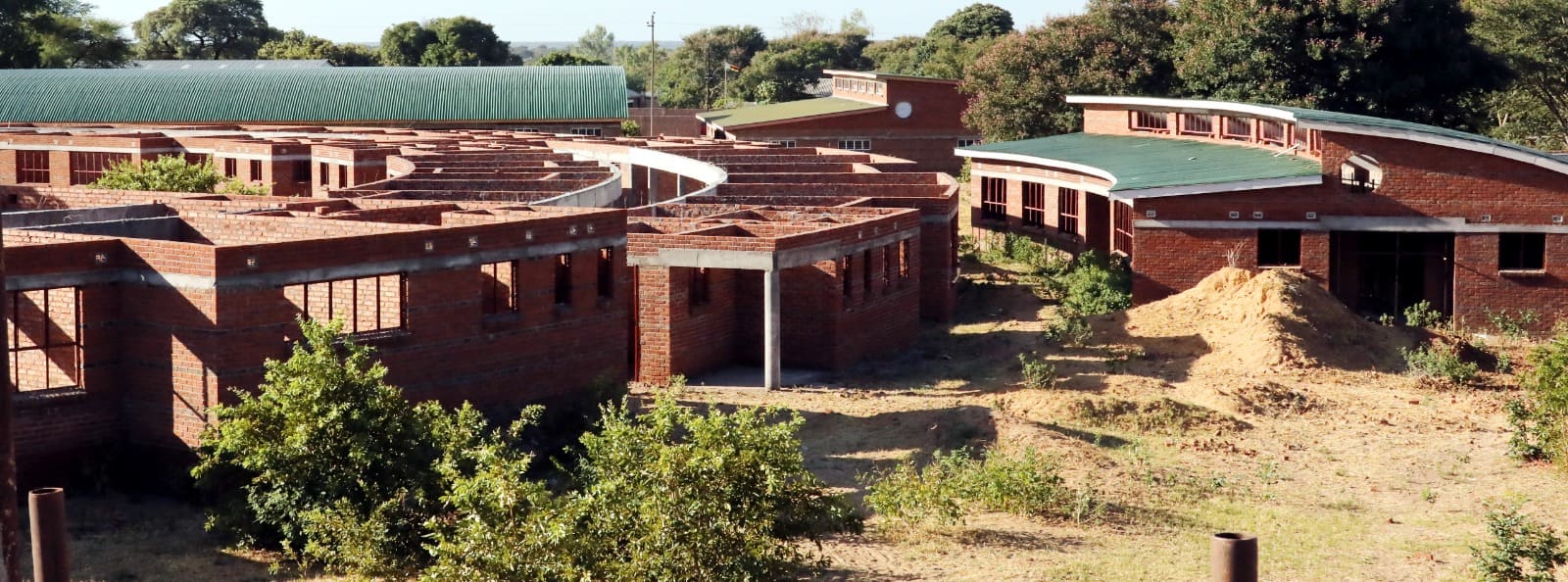
TREASURY has allocated US$25 million towards completing Lupane Provincial Hospital, raising hopes that the long-delayed project will improve access to specialist healthcare in Matabeleland North and reduce pressure on Bulawayo’s major referral hospitals.
Health and Child Care Minister Dr Douglas Mombeshora announced the allocation during the ongoing 2027 Pre-Budget Seminar in Bulawayo yesterday, saying the contractor had returned to the site following the release of funds.
“Lupane has been on the cards for too long, but I can tell you now that some money was released by the Treasury and the contractor is now back on site to start some work. We have put about US$25 million in the 2027 budget to make sure that Lupane Provincial Hospital can be completed,” he said.
“So, we pray that the Ministry of Finance will honour that and Lupane will become a thing of the past.”
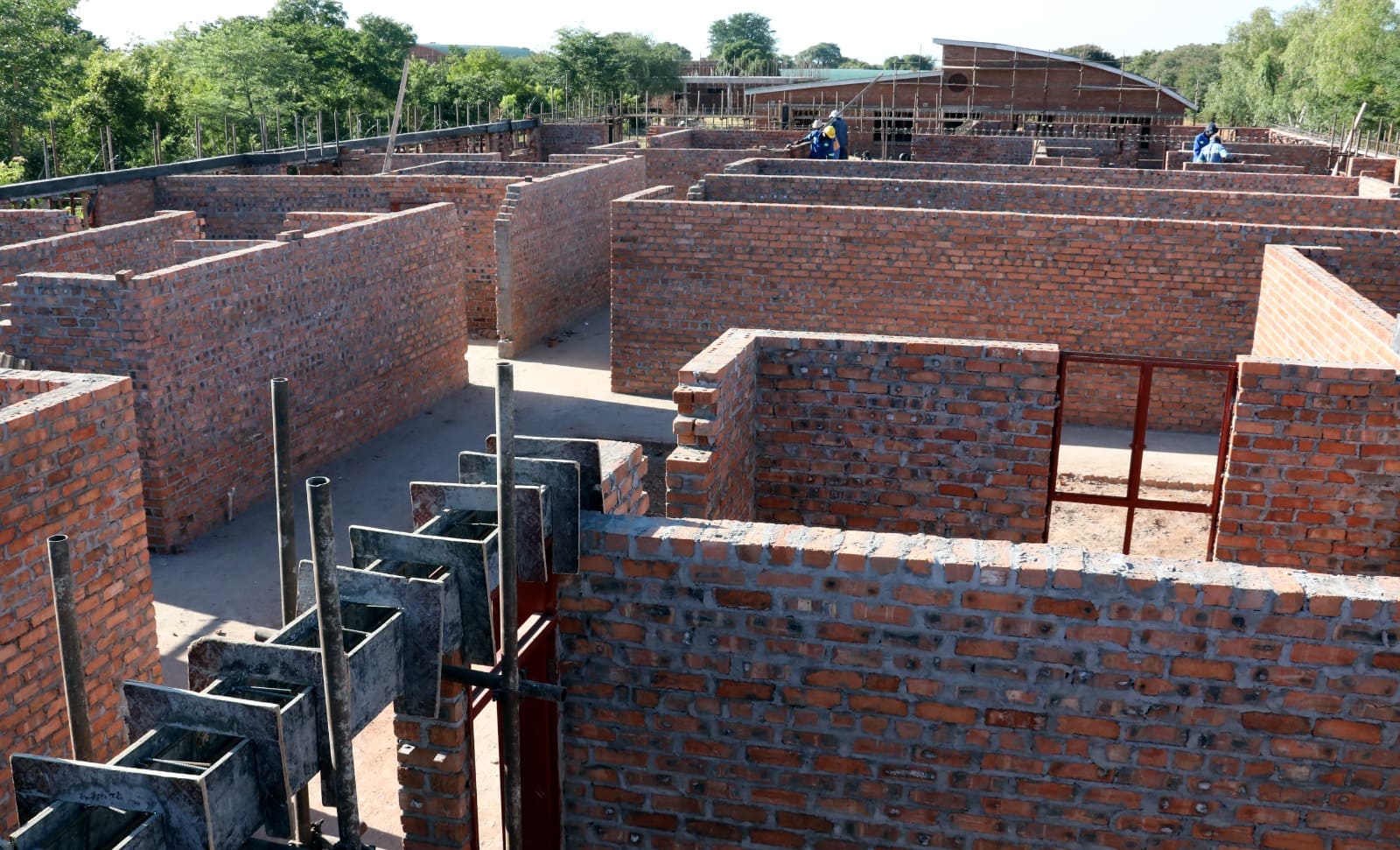
The hospital has been under construction for about 22 years, leaving communities in Matabeleland North without the full range of services expected from a provincial referral facility.
Its completion is expected to improve access to treatment closer to home, reduce the need for patients to travel to Bulawayo for some services and ease the financial burden associated with transport, accommodation and other out-of-pocket healthcare expenses.
The announcement comes as the Ministry of Health and Child Care raises concerns over inadequate funding, delayed disbursements and declining support from development partners, all of which are affecting the delivery of health services.
Dr Mombeshora said the ministry had requested ZiG89,27 billion for the 2026 budget but had so far been allocated ZiG29,83 billion, representing about 33 percent of its bid.
He said ZiG15,27 billion had been released against the 2026 allocation, leaving health institutions struggling to meet operational needs.
“That figure is very, very low and it’s the cause of problems and challenges that we are facing in our health institutions,” he said.
The minister said domestic funding had become increasingly important in filling gaps left by the withdrawal of donor support for health and related programmes.
He also expressed concern over the proposed 2027 allocations, describing them as inadequate and slow to reach health institutions.
Dr Mombeshora said work on the National Health Insurance Scheme had progressed, with a final draft prepared before Cabinet recommended further scrutiny.
“We have a final draft which we came up with and then when it came to Cabinet, it was recommended that we take it back for further scrutiny. We are waiting for the Minister of Justice and Legal Affairs to give us a date for the final scrutiny of the document,” he said.
Dr Mombeshora said the scheme could help advance universal access to healthcare and called on legislators to support the process.
The minister also addressed Zimbabwe’s failure to meet the Abuja Declaration target of allocating at least 15 percent of the national budget to health.
Dr Mombeshora said the country had made progress towards the target but that inadequate disbursement meant health institutions did not receive all the funds allocated in the budget.
“If we talk of the 15 percent, at the end of the year we have only had 50-60 percent disbursement. It means we have not reached the amount that would have been in the budget and that is what we have to work on to make sure that all the monies that are allocated are disbursed on time so that they can be utilised,” he said.
Dr Mombeshora said funding for biomedical sciences, engineering and pharmaceuticals amounted to only seven percent of the ministry’s requirements, making it difficult to ensure adequate supplies of medicines and laboratory reagents.
The ministry’s outstanding debts are also putting pressure on the supply of essential medicines.
Dr Mombeshora said the ministry owed the National Pharmaceutical Company (NatPharm) US$32 million, a debt that was affecting its operational efficiency and the availability of medicines.
He said timely settlement of the debt was necessary to strengthen NatPharm’s revolving fund and ensure consistent supplies to health institutions.
The ministry’s overall debt stood at ZiG1 110 538 677 as at September 30, 2026, according to figures presented during the discussions.
During the seminar, Parliament’s Portfolio Committee on Health called for greater prioritisation of rural health facilities to reduce the distances patients travel to access care.
Acting committee chairperson Mr Thomas Muwodzeri said the proposed 2027 national budget was being developed amid shrinking support from development partners and reductions in
Government funding and disbursements to the health sector.
He said the budget presented an opportunity to strengthen the National Health Strategy 2026–2030, accelerate progress towards universal health coverage and align health financing with the country’s development goals.
“Paving the accelerated progress towards Universal Health Coverage and aligning with the Vision 2030, the 2027 national budget provides an opportunity to recommit and ensure compliance with the Constitution,” said Mr Muwodzeri.
He said the National Health Strategy needed adequate funding, while the proposed National Health Insurance Scheme could help widen access to healthcare, particularly at primary-care level.
The committee recommended that the ministry clear its outstanding obligations and make timely payments for goods and services to prevent further disruptions to healthcare delivery.