Nqobile Bhebhe [email protected]
GOVERNMENT is tightening its oversight of State-Owned Enterprises (SOEs), with Treasury developing a comprehensive 2027 Fiscal Risk Statement to identify financial vulnerabilities across public enterprises and prevent their liabilities from placing additional pressure on the national fiscus.
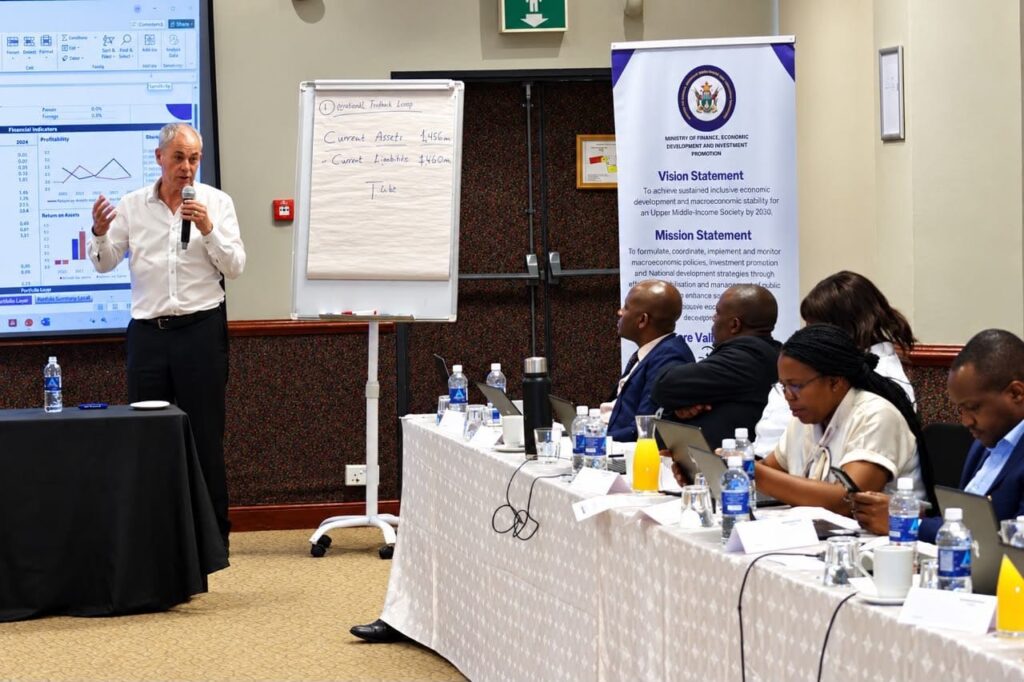
The initiative, being advanced with technical assistance from the International Monetary Fund’s (IMF) Africa Regional Technical Assistance Centre South (AFRITAC South), is expected to produce a draft statement for inclusion in the 2027 National Budget.
The exercise comes as Government seeks to strengthen public financial management, improve accountability and safeguard fiscal sustainability in line with commitments under Zimbabwe’s IMF Staff-Monitored Programme (SMP).
“Government is strengthening its oversight of State-Owned Enterprises (SOEs) through the development of a comprehensive 2027 Fiscal Risk Statement, aimed at identifying potential financial vulnerabilities, improving accountability and safeguarding public finances,” the Finance Ministry said in an update.
“The initiative reinforces efforts to strengthen public financial management and promote fiscal sustainability in support of Zimbabwe’s broader economic development objectives,” the Ministry said.
The development of the statement signals an effort to improve Treasury’s understanding of the financial exposure associated with public enterprises, whose operations can have significant implications for the national Budget, particularly where financial weaknesses require Government intervention.
Under the framework, the statement will assess potential fiscal risks arising from the financial operations of SOEs, providing a clearer picture of their financial health and helping Government identify emerging vulnerabilities before they escalate.
“In line with commitments under Zimbabwe’s IMF Staff-Monitored Programme (SMP), the statement will assess potential fiscal risks arising from the financial operations of SOEs,” the Ministry said.
“By providing a clearer picture of the financial health of public enterprises, the framework will help Government identify emerging vulnerabilities, prioritise interventions and make informed decisions on the management of public resources.
“Early identification of risks is also expected to strengthen oversight and reduce the likelihood of enterprise-related liabilities placing additional pressure on the national fiscus.”
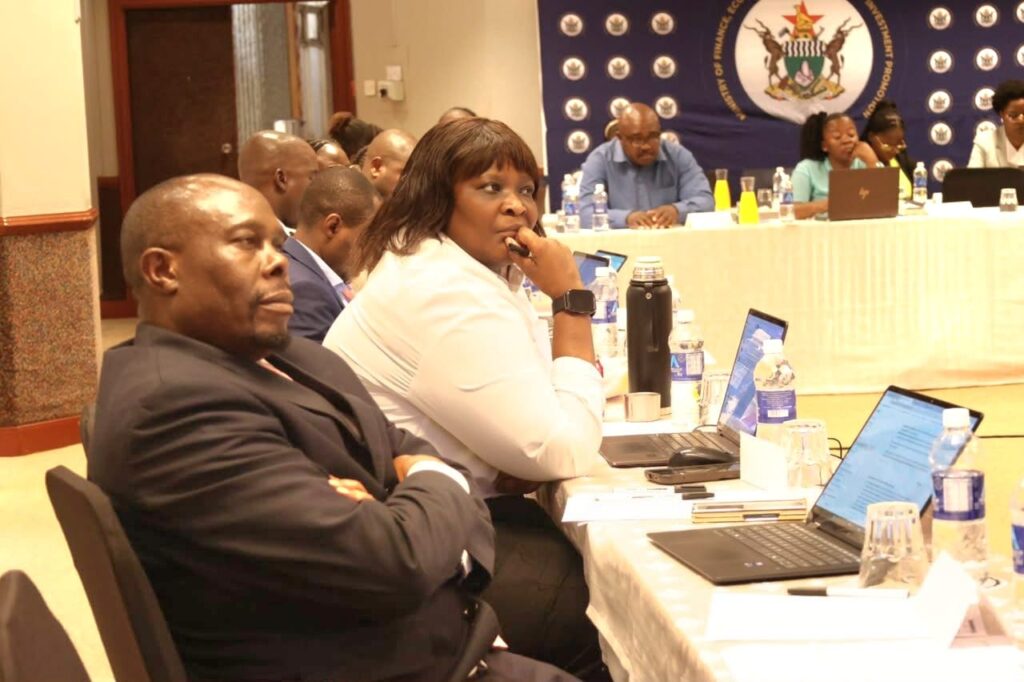
The exercise is being supported through a technical workshop bringing together the AFRITAC South fiscal risk team and Treasury officials to coordinate the preparation of the statement, exchange information on IMF technical assistance and strengthen institutional capacity in fiscal risk reporting.
Beyond preparing the 2027 statement, the workshop is expected to equip Treasury officials with the technical skills required to apply the framework in subsequent years, establishing a more consistent approach to identifying, monitoring and managing risks across the public enterprise sector.
During the sessions, officials and the IMF mission team are reviewing Zimbabwe’s SOE Health Check Tool, which assesses the financial performance of individual enterprises as well as the overall public enterprise portfolio, the Ministry added.
“The tool assesses the financial performance of individual enterprises and the overall SOE portfolio,” the Ministry said.
“Participants are also analysing the results, identifying key fiscal risks and exploring appropriate mitigation measures through group discussions and presentations on SOE financial health, risk assessment and management strategies.”
The assessment is important because persistent financial weaknesses in public enterprises can undermine the efficient use of public resources and create competing demands on Treasury.
A systematic assessment of these risks can help Government distinguish between enterprises requiring corrective action and those with the potential to contribute more effectively to economic development.
The initiative also forms part of the broader policy framework underpinning the National Development Strategy 2 (NDS2) and Zimbabwe’s Vision 2030 ambition of attaining upper-middle-income status.
“The initiative supports the National Development Strategy 2 (NDS2) and Zimbabwe’s Vision 2030 ambition of attaining an upper-middle-income status,” the Ministry said.
“Effective oversight of SOEs is critical to fiscal sustainability, as financially sound and well-managed public enterprises can contribute to economic activity, infrastructure development and service delivery.”
The Ministry said strengthening fiscal risk management would support better-informed decisions on public resources, reinforce macroeconomic stability and contribute to sustainable economic transformation.
“Strengthening fiscal risk management will therefore support more informed decisions on public resources, reinforce macroeconomic stability and contribute to sustainable economic transformation.”