Online Reporter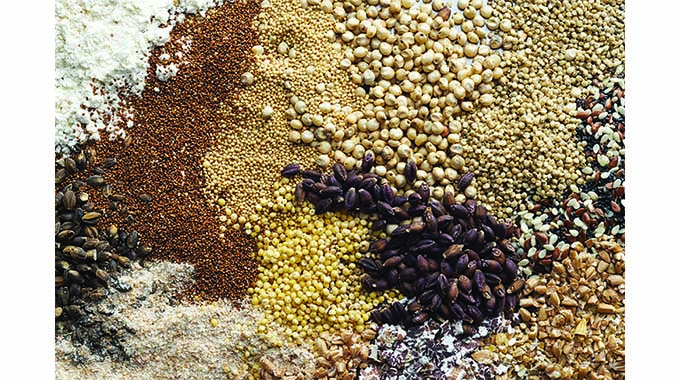
Rutendo Nyeve
FARMERS in Tsholotsho District, Matabeleland North Province, got a bountiful small grains harvest after embracing agro-ecological matching, a climate-smart approach that aligns crops with the natural environmental conditions of specific regions.
The development saw the entire province achieving a significantly better harvest compared to last year, bringing relief to many households previously threatened by food insecurity.
In an interview, the Agricultural and Rural Development Services (ARDS) provincial director for Matabeleland North, Mr Mkhulunyelwa Ndlovu, confirmed the positive outlook, attributing it to improved rainfall and the adoption of climate-resilient agricultural practices.
“In terms of season quality, this season, Matabeleland North managed to improve its harvest because of normal to above normal rainfall. The only district where we think we will have some challenges is Hwange,” said Mr Ndlovu.
He noted that while some households may run out of cereals within three months, others in more productive districts could be covered for seven to eight months.
Tsholotsho District, Mr Ndlovu said, stood out due to its farmers’ proactive response to climatic conditions by growing drought-tolerant crops such as pearl millet and sorghum, rather than maize, which failed in many areas due to a short mid-season drought.
“Tsholotsho District embraced agro-ecological tailoring. They grew a lot of pearl millet and sorghum, and their harvest is marvellous. Those who attempted maize were hit by the early short-season drought,” he said.
Agro-ecological matching, also known as agro-ecological zoning, is a sustainable farming approach that matches specific crop types with the soil, rainfall, and temperature conditions of a particular region.
In Zimbabwe, the strategy is crucial to climate-smart agriculture, particularly in arid and semi-arid areas like Matabeleland North, where rainfall patterns are increasingly unpredictable.
Under the guidance of Government programmes such as Pfumvudza/Intwasa and the Ministry of Lands, Agriculture, Fisheries, Water and Rural Development, farmers are encouraged to shift from maize monoculture and focus on small grains better suited to their agro-ecological region.
Small grains, especially pearl millet, finger millet, and sorghum, are not only more drought-tolerant but also highly nutritious and culturally significant in Zimbabwe’s rural diet.
Mr Ndlovu stressed that while the improved harvest is commendable, there is now a pressing need for value addition to maximise benefits and strengthen local food systems.
“We also need to especially look into issues of value-addition, like in areas like Tsholotsho. The pearl millet they produced needs to be value added so that we can manage to support several households by making them buy mealie meal from those farmers,” he said.
Mr Ndlovu said that if well managed and marketed, processed small grains can reduce post-harvest losses and improve income generation for rural households.
The development of value chains also aligns with national goals under Vision 2030 of achieving an upper-middle-income economy through inclusive and sustainable rural transformation.
Mr Ndlovu emphasised the importance of post-harvest handling and storage to ensure food reserves last and losses are minimised.
“Overall, we are better off than we were last season. We now need to encourage post-harvest management,” he said.
Matabeleland North’s relative success this season underlines the value of adaptive agriculture in the face of climate change and the potential of small grains as a cornerstone for food and nutrition security in the country’s dry regions.
@nyeve14