Sikhumbuzo Moyo, [email protected]
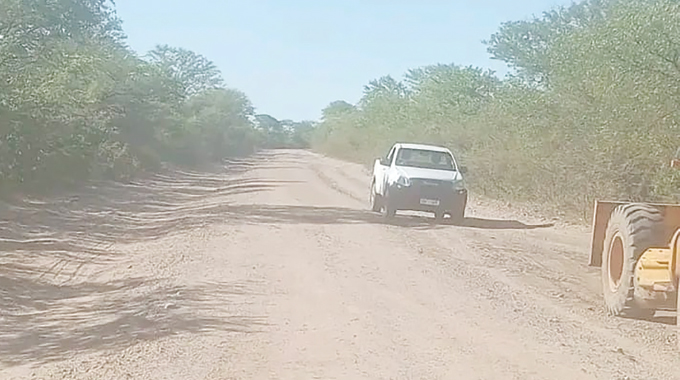
THE community-driven Tsholotsho Road Rehabilitation Initiative has covered approximately 35 kilometres of its targeted road network, with organisers appealing for additional resources to complete the remaining stretch.
The initiative, which is targeting an estimated 60-kilometre stretch covering parts of Tsholotsho and uMguza districts, has made significant progress despite operational and financial challenges.
The project seeks to improve road connectivity in the two districts, with organisers saying the rehabilitation works are a demonstration of how communities can complement Government efforts in addressing infrastructure challenges.
In a statement, Tsholotsho Road Rehabilitation Initiative (TRRI) chairperson Mr Cephas Tshuma said the milestone demonstrated the power of community participation and collaboration between Government, traditional leaders, development partners and citizens.
He said the project had encountered challenges, including equipment breakdowns, financial constraints and logistical difficulties, but continued support from stakeholders had kept the programme on course.
“We are pleased to report that approximately 35 kilometres of road have been covered, with an estimated 30 kilometres remaining to complete the targeted stretch,” he said.
Mr Tshuma said every kilometre covered represented the collective contribution of individuals and organisations that had donated money, fuel, equipment, technical expertise and time towards the project.
He said the initiative had benefitted from support from the Zimbabwe National Road Administration (ZINARA), particularly diesel donations, which had helped sustain the rehabilitation works.
He also acknowledged the contributions of the Tsholotsho and uMguza Rural District Councils, the Road Development Agency and the Ministry of Transport and Infrastructural Development.
Traditional leaders, Members of Parliament, councillors and technical personnel were also recognised for their roles in mobilising communities and providing technical guidance.
Mr Tshuma paid particular tribute to traditional leaders, saying their involvement in community mobilisation and monitoring of the project had been instrumental in sustaining the initiative.
He said some chiefs were actively involved through the initiative’s executive committee, while others regularly visited the project to monitor progress and encourage those working on the roads.
Mr Tshuma said the project had brought together Zimbabweans at home and in the diaspora, including those in South Africa, Botswana, the United Kingdom and Australia.
He said the contributions from people living abroad demonstrated their continued commitment to the development of their communities despite being thousands of kilometres away.
“The initiative has demonstrated that communities can organise themselves, mobilise resources and complement Government development programmes rather than wait for infrastructure improvements,” said Mr Tshuma.
He said the project had also provided an opportunity for ordinary citizens to take ownership of development initiatives in their communities.
The initiative had initially hoped to complete the rehabilitation works before the Christmas holidays, but Mr Tshuma said achieving the target would require additional resources, equipment and logistical support.
He said they were appealing for financial contributions, diesel, road construction equipment such as graders, rollers, tractors and water bowsers, as well as technical and logistical support from individuals, businesses and development partners.
Mr Tshuma said the organisers remained confident that with continued support, the outstanding work could be completed.
He said the initiative remained committed to transparency, accountability, inclusivity and community ownership as it worked towards completing the project.
“We have come 35 kilometres. Let us not stop when only 30 kilometres remain,” he said.
The initiative has urged well-wishers and Zimbabweans in the diaspora to continue supporting the programme, saying the rehabilitation of the road network was a shared responsibility and an investment in the development of local communities.