Peter Matika, [email protected]
BULAWAYO City Council (BCC) owes the Zimbabwe Electricity Transmission and Distribution Company (ZETDC) ZiG862,5 million in unpaid electricity bills, with the bulk of the debt linked to pumping water to consumers, exposing the financial strain facing the city’s already troubled water supply system.
The electricity debt accounts for the largest share of the local authority’s ZiG993,6 million creditor obligations, prompting council to pursue a payment arrangement with ZETDC while exploring solar-powered pumping systems to reduce its dependence on the national grid.
The issue emerged during a recent full council meeting as councillors considered the city’s financial sustainability and the rising cost of providing essential services.
Presenting the 2027 budget speech, BCC finance and development committee deputy chairperson Councillor Dumisani Nkomo identified electricity expenses associated with water pumping as one of the major financial risks facing the local authority.
He said the debt highlighted the growing pressure on council’s finances, particularly given the city’s dependence on electricity to pump treated water from supply sources into reservoirs and distribution networks.
Bulawayo continues to grapple with water supply challenges, with residents in several suburbs enduring 72-hour water-shedding schedules amid infrastructure constraints, high operating costs and inadequate pumping capacity.
Cllr Nkomo said council was negotiating a payment arrangement with ZETDC while considering solar energy installations at pumping stations to reduce electricity expenditure.
“The proposed shift towards solar-powered pumping systems could provide some relief from rising electricity costs, although the scale, funding and implementation timelines of the projects remain important considerations,” he said.
The electricity bill forms part of a wider creditor burden, with council owing creditors ZiG993,6 million, while it was owed ZiG2,73 billion as at June 30.
A report by the city’s water and sanitation department published earlier this year showed that Bulawayo was spending an average of ZiG36,8 million monthly on electricity for water pumping.
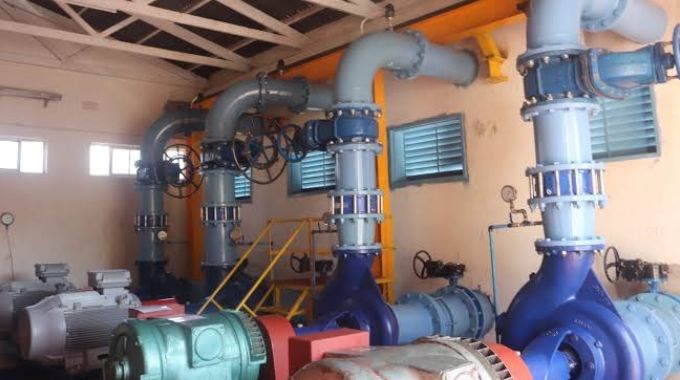
Ncema and Fernhill pumping stations account for about 95 percent of electricity consumption in the city’s water supply system.
The report identified expensive peak-hour electricity tariffs as a major cost driver, noting that although only 36 percent of water volumes were pumped during peak periods, this accounted for 53 percent of the monthly electricity bill.
It also highlighted operational challenges at the two pumping stations, where some pumps were either broken down or operating below capacity, further undermining efforts to improve water delivery.
BCC has been considering shifting more pumping operations to off-peak periods, rehabilitating pumping infrastructure and installing power factor correction units to improve energy efficiency and reduce electricity costs.
Cllr Nkomo said the proposed payment arrangement and solar installations at pumping stations and clinics were among the measures being considered to mitigate the electricity debt.
The consequences of electricity-related disruptions have already affected the city’s water distribution system.
In September, town clerk Mr Christopher Dube said electrical faults on the ZETDC Fernhill and Nyamandlovu lines had disrupted pumping to water treatment works and reservoirs, resulting in low reservoir levels and interruptions to the water-shedding programme.
Although ZETDC subsequently rectified the faults, council had to replenish depleted reservoirs before normal water distribution schedules could resume.
The proposed solar installations are expected to form part of council’s longer-term efforts to improve the resilience of water infrastructure, reduce exposure to electricity costs and minimise disruptions to supply.