Gibson Mhaka
Bulawayo Bureau
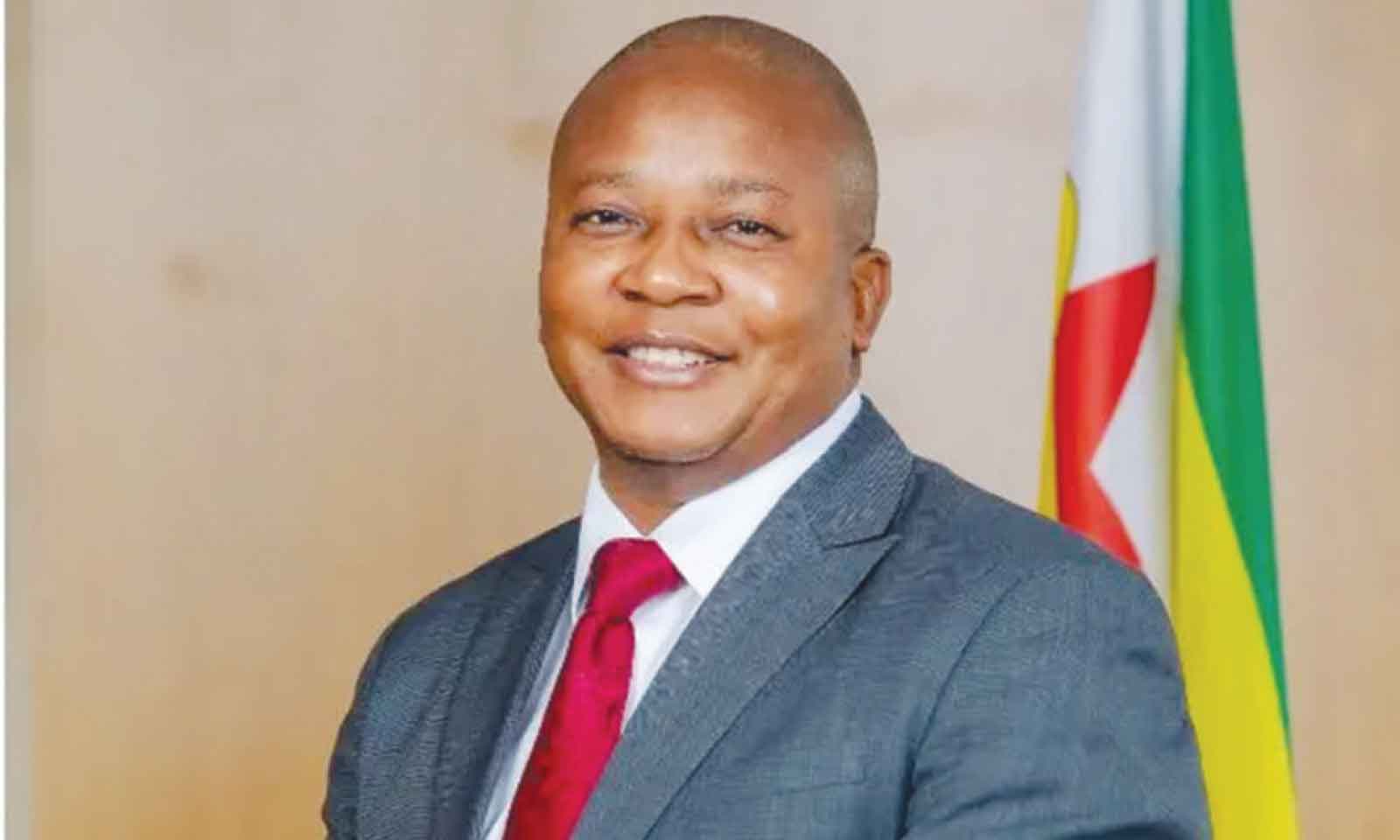
ZIMBABWE’S cultural and creative industries must be transformed into commercially viable enterprises capable of creating jobs, attracting investment and generating foreign currency as the country works towards Vision 2030, Vice President Dr Kembo Mohadi said yesterday.
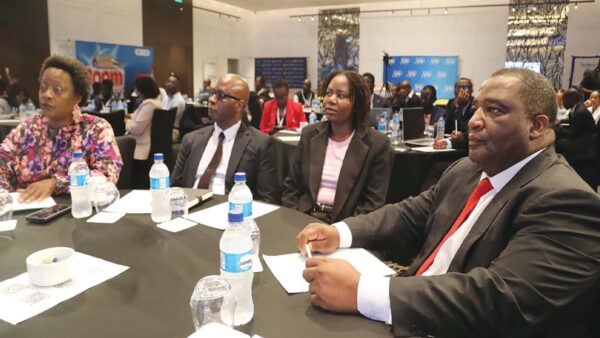
Opening Kuzana Sports and Creative Economy of Zimbabwe (SCEEZ) Arts and Culture Conference at the Zimbabwe International Exhibition Centre (ZIEC) in Bulawayo, VP Mohadi said culture should no longer be viewed solely as an expression of national identity or entertainment, but as a productive economic sector.
The conference was held under the theme: “Towards Vision 2030 through sport and creative industries.”
“Culture is not just an expression of identity; it is a lucrative industry and a critical driver of our economic transformation agenda.”
VP Mohadi said the Second Republic was deliberately positioning the cultural and creative industries as an important pillar of the national development agenda, in line with the National Development Strategy 2 and the drive towards an empowered upper-middle-income society by 2030.
“This conference is more than a gathering of artists and cultural practitioners. It is a demonstration of the Government’s recognition that culture, creativity, talent and innovation are economic assets that must be nurtured, protected and commercialised for the benefit of our people,” he said.
The Kuzana SCEEZ conference provided an opportunity to move from policy formulation to implementation by creating platforms where creative talent could connect with investment and translate ideas into economic value.
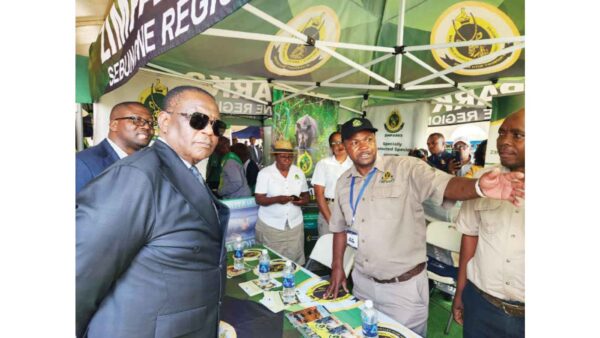
“This Expo is not merely an exhibition. It is a strategic declaration. It is a deliberate intervention by the Second Republic to unlock the immense economic potential of our creative industries and place them at the centre of our national development agenda.”
VP Mohadi said the creative economy could not thrive in isolation and called for stronger partnerships among Government, the private sector, development partners and creative practitioners.
Such partnerships should facilitate investment, improve access to finance for creative entrepreneurs and open new markets for the sector.
VP Mohadi called for stronger regional and international cooperation, saying Zimbabwe’s membership of SADC, coupled with its rich cultural heritage, presented opportunities for local creative industries to access wider markets.
“We must create stronger cultural and creative exchanges across Africa and beyond, facilitate the movement of artists and creative goods, develop regional markets and continually build partnerships that allow our creative practitioners to compete internationally,” he said.
Africa’s youthful population and rich cultural heritage provided enormous opportunities for the creative economy to become a major driver of employment, innovation and economic growth.
“Zimbabwe must position itself strategically within this emerging framework, given the cultural heritage endowment.”
VP Mohadi placed young people at the centre of the strategy, saying they were already producing music, films, digital content, fashion, visual art, gaming and other cultural products using rapidly evolving technologies.
However, the Vice President said more needed to be done to turn their creativity into viable and sustainable livelihoods.
He identified skills development and upskilling, access to finance, infrastructure, technology, markets, mentorship and business-development support as key interventions.
“We must move from simply celebrating talent to building scalable, formalised and sustainable enterprises across the value chain and ecosystem of the creative economy.”
Government would continue developing policies and regulatory frameworks aimed at creating an environment conducive to investment in the arts, culture and creative industries.
The Vice President called for better measurement of the sector’s contribution to the economy, urging the Zimbabwe National Statistics Agency (ZimStat) to develop mechanisms for accurately measuring the creative economy’s contribution to gross domestic product.
The Ministry of Sport, Recreation, Arts and Culture had to provide community-level spaces where creative talent could be identified, nurtured and developed.
“The creative economy is a bridge between culture and development. It empowers our people, strengthens our nation’s brand, and builds economic resilience, especially for young innovators and emerging entrepreneurs,” said VP Mohadi.
He challenged delegates to ensure that their deliberations translated into concrete programmes rather than recommendations that remained on paper.
“As we open Kuzana SCEEZ Arts and Culture Conference today, I urge all stakeholders to move beyond discussion and commit to practical outcomes, implementable actions, measurable targets, and to explore partnerships that deliver results,” said VP Mohadi.
“Let us, therefore, use this conference to agree on priorities, forge lasting collaborations, and accelerate programmes that will convert Zimbabwe’s creativity into economic growth, jobs and prosperity in line with NDS2 and Vision 2030.”
VP Mohadi said the conference should provide a platform for delegates to share knowledge, build partnerships and develop actionable plans that would enable Zimbabwe’s creative economy to thrive locally while competing on the global stage.
He said a vibrant creative economy could also help Zimbabwe generate the foreign currency needed to support economic growth.
“Let us establish partnerships that can be implemented. Let us build an ecosystem upon which Zimbabwe’s creative economy can thrive at home and compete confidently on the global stage and bring us the much-needed forex,” said VP Mohadi.
He commended the Ministry of Sport, Recreation, Arts and Culture, technical partner Nhimbe Trust, sponsors, exhibitors and other stakeholders for convening the conference.
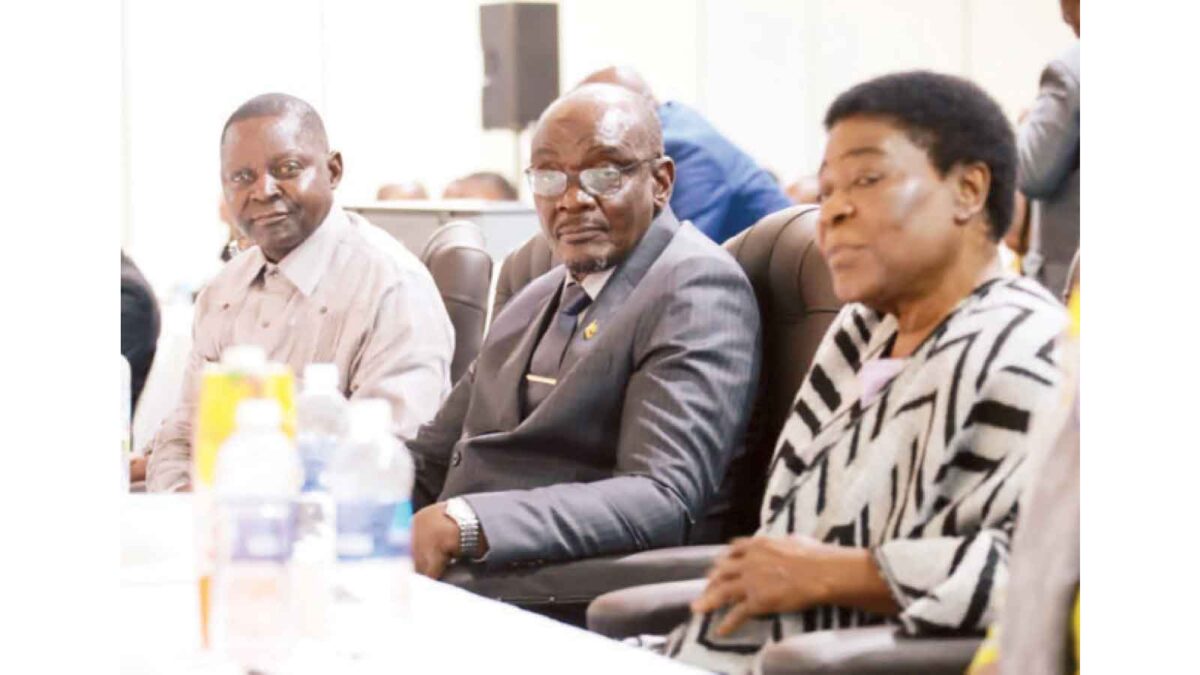
The Kuzana SCEEZ Arts and Culture Conference brought together Government officials, policymakers, development partners, industry players and creative practitioners to explore ways of strengthening Zimbabwe’s creative economy.