

 Chronicle Editor
Thandeka Moyo-Ndlovu, Senior Health Reporter
TWO people have succumbed to diarrhoea in Bulawayo with cases of new infections increasing from last week.
As of Tuesday, a cumulative 1 504 cases had been recorded up from 1 359 recorded last week.
According to the Bulawayo City Council, one of the deaths is of a 54-year-old man and the other of a two-year-old boy.
Bulawayo Health Services Divisional Environmental Health Officer Dr Nhlonipho Sibanda said the most affected suburbs were Pumula, Luveve, Nkulumane, Mzilikazi and Tshabalala.
She said cases are still being recorded around Bulawayo although Emakhandeni district accounts for 68 percent of the cases.
Poor water and sanitation have been identified as a major cause of the outbreak, as the city has an ongoing 72-hour water shedding programme.
The World Health Organisation (WHO), classifies diarrhoea as the second leading cause of death among children under the age of five, killing more than half a million children annually.
“As of 14 September 2022, we had a cumulative total of 1 504 for the whole of Bulawayo all emanating from the three districts; Nkulumane, Emakhandeni and Northern suburbs. The two deaths include that of a 54-year-year old man and that of a two-year-old,” said Dr Sibanda.
“So far we have 770 recoveries, giving us a 49,9 percent recovery rate. The risk factors identified during investigations in addition to perennial water challenges, overcrowding, sewer bursts and the hand dug well and poor hygiene practices in the community,” said Dr Sibanda.
“Interventions in place include robust, context specific Emergency Response Mechanisms that include some of the following active case finding, contact tracing, health education, risk assessment, waiver of clinic charges for BCC clinics on outbreak mode, distribution of non-food items to population at risk (documented vulnerable population and reported sewer choke affected areas),” said Dr Sibanda.
Bulawayo provincial medical director Dr Maphios Siamuchembu said cases were, however, going down compared to when the outbreak was first recorded in Bulawayo.
“The number of new cases per day seems to be going down. We have recorded a total of two deaths since the onset of the outbreak in July this year. We, as the Ministry of Health and the Department of Health of the City Council, are engaged in health education and case management which includes treating the sick,” said Dr Siamuchembu.
“The engineering department of city council as well as other partners involved in Water, Sanitation and Hygiene (WASH) are delivering clean portable water to low pressure areas, providing aquatabs to treat water suspected to be contaminated or unsafe, and repairing sewer and water pipes where these are damaged,” he added.


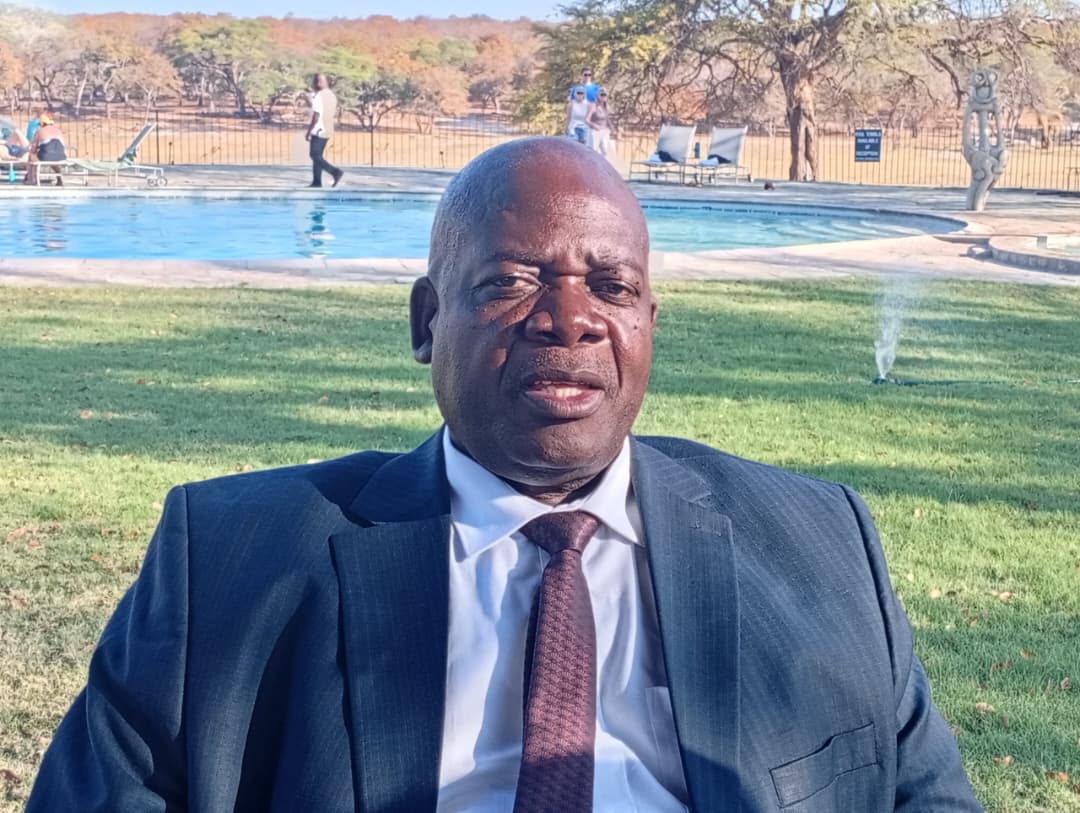
 Blessing Chizhande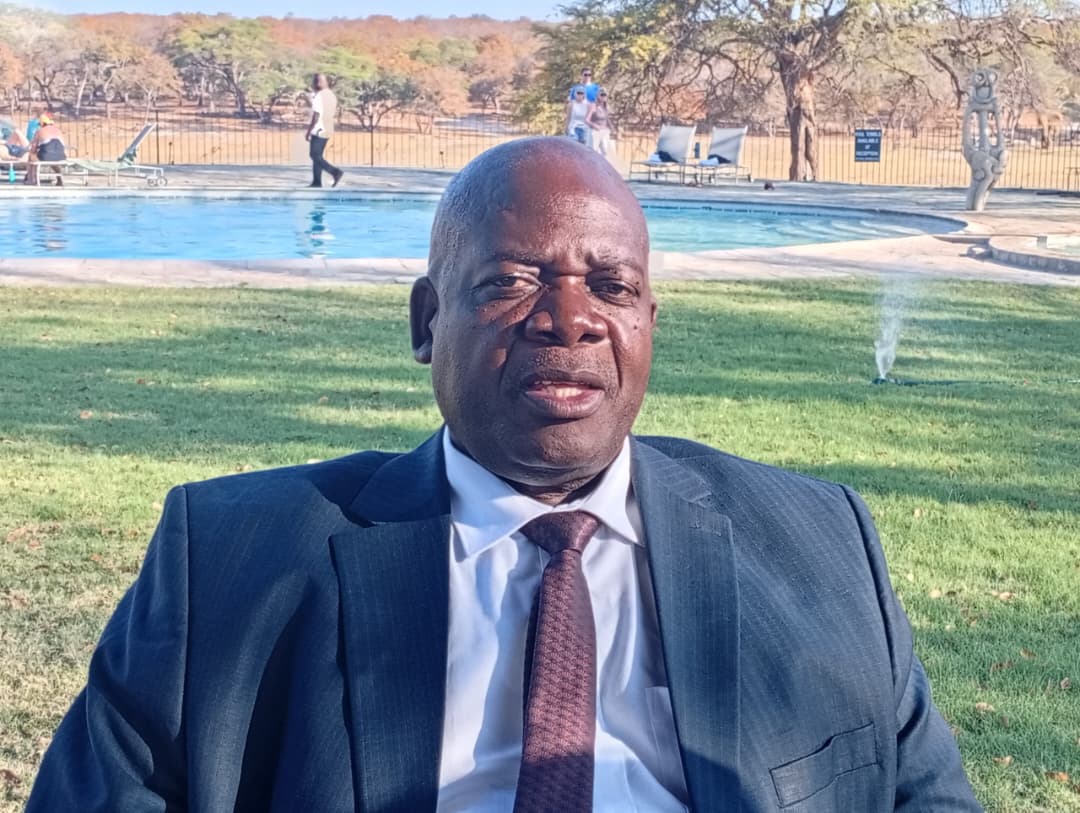
 Online Reporter