admin
admin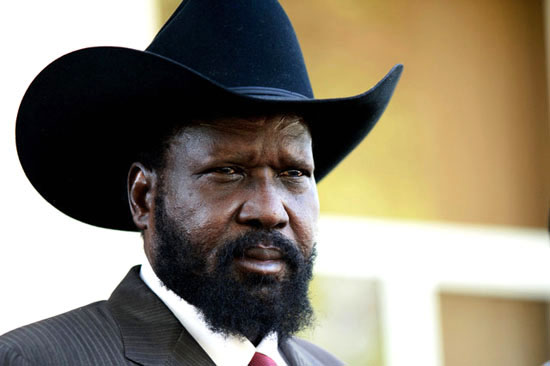
KHARTOUM. — South Sudan’s President Salva Kiir is set to visit the Sudanese capital tomorrow, 72 hours ahead of Khartoum’s deadline to shut down vital oil pipelines, the two nations said. “I can confirm he will arrive on Tuesday (tomorrow),” Emad Sayed Ahmed, Press secretary to Sudan’s President Omar al-Bashir, said yesterday.
He said the two leaders would discuss “all the joint issues” during the visit, without giving further details.
A South Sudanese embassy official also confirmed Kiir’s trip but neither he nor Ahmed could say how long the South’s leader was expected to stay.
Kiir last visited Khartoum in October 2011.
In June, Khartoum said it was freezing nine security and economic pacts with the South and it threatened to shut the oil pipelines linking landlocked South Sudan with Sudan’s Red Sea export terminal.
The decision came after Bashir warned the South over its alleged support for insurgents, who analysts said had humiliated the authorities with their attacks.
Khartoum has twice extended its deadline to shut the pipelines, which are now threatened with closure from next Friday.
Despite the threat, oil has continued flowing for export. The deadline extensions followed an appeal from the African Union. The regional group asked for more time to investigate allegations — by both Sudan and South Sudan — that they are supporting rebels on each other’s territory.
Regional nations also began trying to determine the centreline of a demilitarised buffer zone along the two countries’ disputed and undemarcated border.
The buffer zone, designed to cut cross-border rebel support, was among the nine deals Sudan and South Sudan agreed to implement in March after months of delays.
The deals also included fees which South Sudan would pay for sending its oil through Sudan for export, and allowed for the free flow of people and goods across the frontier between the two nations.
Following their March agreements, the two leaders held a summit in Juba during an interlude of easing tensions after months of intermittent border clashes.
Then came Khartoum’s abrupt threat to close the pipelines.
The South became independent two years ago under a peace agreement after decades of on-and-off civil war.
It split with about 75 percent of united Sudan’s roughly 470 000 barrels per day of oil production, leaving the north without its major source of export earnings and struggling for a replacement. — AFP.


 Online Reporter