admin
admin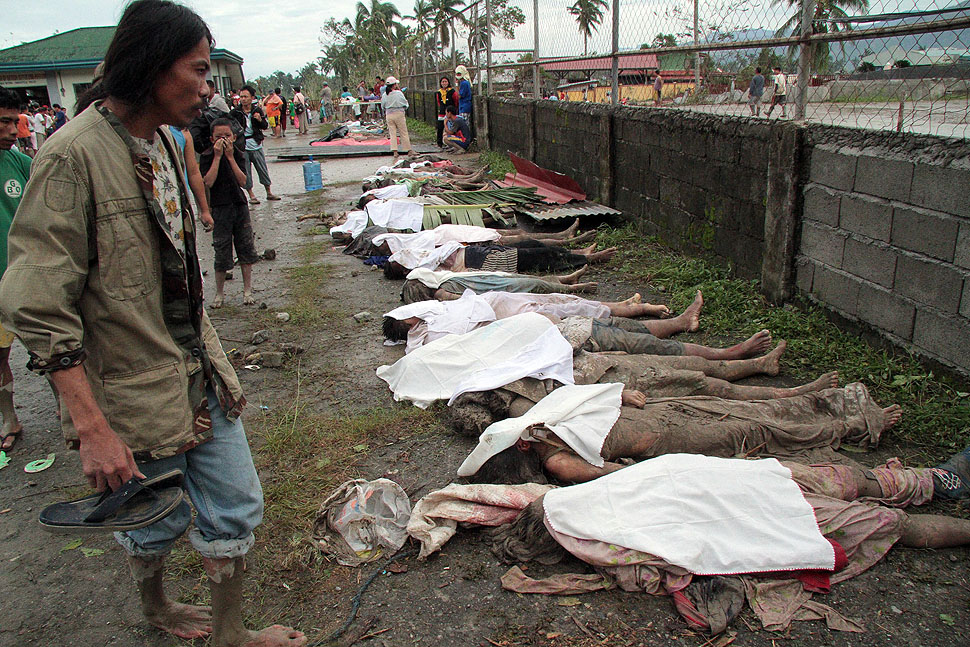
 HONG KONG. – A super typhoon Usagi hit Hong Kong yesterday, forcing the closure of the city’s schools, amusement parks and bathing beaches, and disrupting hundreds of flights. The Hong Kong Observatory issued a No. 8 storm signal, the third highest level, at 6:40 p.m., and it said Usagi would make a landfall in the evening.
The Airport Authority said about 400 flights have been cancelled or delayed. Cathay Pacific, Dragonair and other Hong Kong airline companies have warned that flights after 6 p.m. on Sunday will be cancelled.
Mass Transit Railway (MTR) trains and rail services all over the city are still running but trains above ground will be halted if the wind grows stronger. Ferry and some bus services have been halted.
The city’s Education Bureau said all schools had been cancelled yesterday. Amusement parks were closed and bathing beach officials have warned people not to swim in the sea.
According to the Hong Kong Observatory, at 7pm, Usagi was centred about 160km northeast of Hong Kong and is forecast to move northwest at about 20km per hour to approach the east coast of Guangdong Province.
Super Typhoon Usagi, the most powerful storm of the year, brought torrential rain and strong winds to the Philippines and Taiwan Saturday, uprooting trees and knocking out power as it barrelled towards Hong Kong.
The typhoon battered the Batanes island group in the far north of the Philippines overnight with gusts of up to 250 kilometres per hour, affecting communication lines and damaging crops, officials said.
“The winds are very strong. I cannot even go out now,” Batanes governor Vicente Gato told DZBB radio in Manila. “Many trees have been uprooted and we have no electricity,” he said.
The National Disaster Risk Reduction and Management Centre issued its highest alert, with flooding recorded in four regions of the main island of Luzon, the country’s most populous area, while several roads and bridges were rendered impassable by overflowing rivers or landslides.
There were no immediate reports of any casualties, although emergency and relief services said they were prepared for the worst with
more than 100 families having already been evacuated in one northern province.
In Taiwan, some flights were cancelled and ferry services suspended, with schools and offices in many parts of the island closed, especially in the south and east, which were expected to bear the brunt of the storm, authorities said.
Hotels and resorts in mountainous areas were closed due to fears of flooding and landslides.
Coastguards cordoned off the beaches at Kenting, a popular scenic spot in the south, as strong winds whipped up the sea.
The defence ministry has deployed more than 1 600 soldiers to “high risk” areas and placed 24 000 others on standby.
Nearly 2 500 people had already been evacuated, officials said, as the Central Weather Bureau warned people to expect up to 1,.2 metres of rain.
The US Navy’s Joint Typhoon Warning Center said that Usagi was packing sustained winds of 240 kilometres per hour with gusts of nearly 300km per hour, making it the equivalent of a strong category four Atlantic hurricane.
As of 0400 GMT on Saturday, Usagi was still roaring through the Luzon Strait separating the Philippines and Taiwan, heading directly for the southern Chinese coast.
In Hong Kong, officials warned the storm posed a “severe threat” to the city, urging residents to brace for strong winds and possible flooding, while Cathay Pacific said it may have to cancel flights.
“The weather will deteriorate significantly with high winds and rough seas,” the city’s observatory said.
China’s National Meteorological Center issued a red alert — its highest level warning — as it forecast gale-force winds and heavy rain.
It said Usagi would affect the coastal areas of the provinces of Guangdong, Zhejiang and Fujian as it moved northwest.
Nearly 23 000 fishing boats had earlier taken shelter in Fujian province ahead of the storm, state media reported Saturday, while more than 4 000 people living in coastal areas were evacuated.
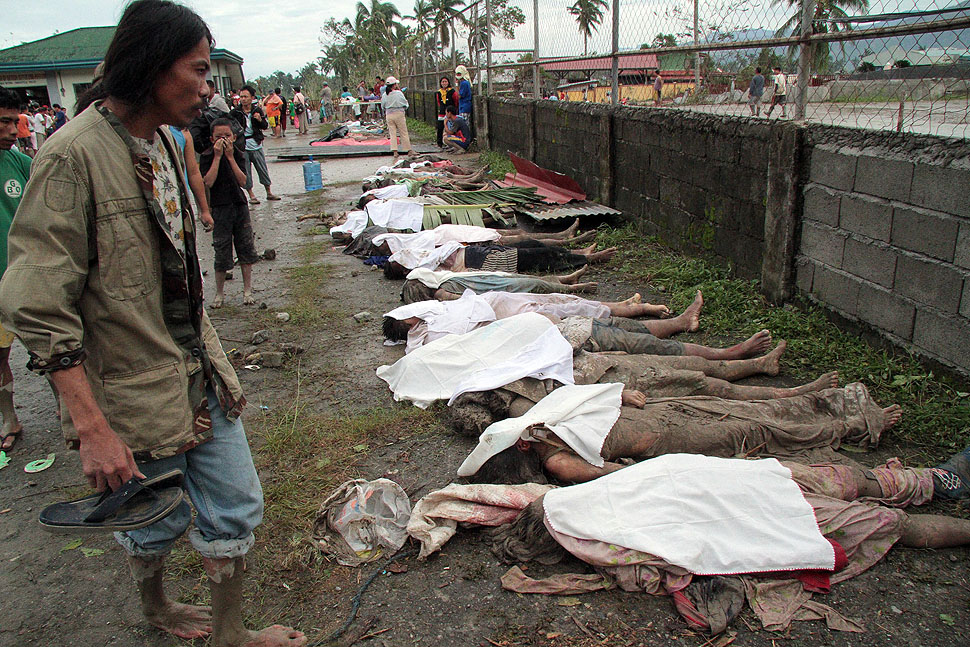
The region is regularly pummelled by tropical storms. Typhoon Bopha left a trail of destruction in the southern Philippines last year, triggering floods and landslides that left more than 1,800 dead and missing and displaced nearly one million people.
In August 2009, Typhoon Morakot killed about 600 people in Taiwan, most of them buried in huge landslides in the south, in one of the worst natural disasters to hit the island in recent years.
Hong Kong rarely suffers major loss of life as a result of tropical storms, although Typhoon Rose in 1971 killed 110 people in the city. – Xinhua.



 Online Reporter