peter
peter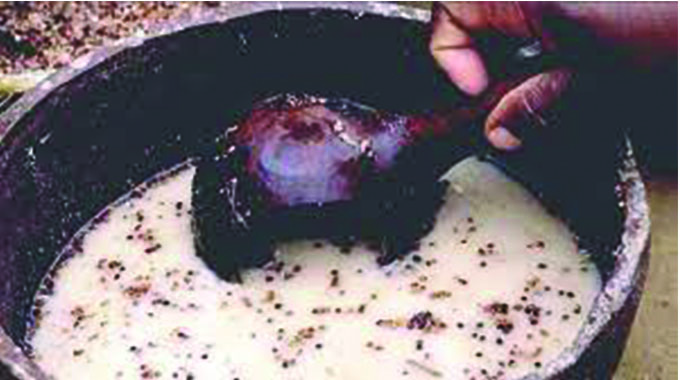
Mzala Tomo
Ukuthethela was done annually in each household. It was done after harvest and after ukubhula amabele (thrashing sorghum). The beer that was used for ukuthethela was made from amabele (umuhlwa) that were scattered during thrashing.
Once umuhlwa was gathered, the head of the homestead, umninimuzi was responsible for soaking them. Umninimuzi gathered the homestead to inform them of the impending ceremony. Ugogo of the home had to be informed as well of the preparations.
Umthethelo beer had to be prepared by the most senior wife. On umthethelo day, early in the morning when the cows were still sleeping, umninimuzi would go to the cattle byre to inform and seek blessings from ukhulu (inkomo yamadlozi) for umthethelo to be done on that day.
Later in the evening, the close family, abosendo would then gather at the homestead and sit outside in front of the main house, indlunkulu. Umphathankezo or isikhulumi of the homestead is the one who would lead umthethelo.

Umphathankezo could be umninimuzi or his sister. Umphathankezo simply informed the ancestors the family requests, issues for guidance, etc. and end with thanks giving for every good thing that has happened like new marriages, good harvest, new babies, more livestock, etc.
After that as part of the prayer umphathankezo would then present the beer to the ancestors saying: “Nanku ukudla esilenzele khona baba lo mama. Libikele obabamkhulu logogo o…….. Labo babikele abaphambili.” After that he/she would then pour a little beer on the ground.
The prayer would continue as follows: “Nanti legwayi lenu. Libhemisane lonke!” as umphathankezo pinches and scatters the snuff on the ground.
After that the sacrificial animal was killed. It could be a cow or goat. After the animal was killed, the meat was taken to the room reserved for the ancestors to eat the meat and drink the beer over night.
Three beer gourds and three mounds of snuff were put in the room as well.
Early in the morning, if the beer meat and snuff were found reduced in quantities, it was believed to be a sign that the ancestors had accepted the sacrifice and prayers.
Every family members had to then sip the beer and sniff the snuff in agreement with the ancestors.
The meat was thereafter taken to be cooked. It was eaten that whole day. At this point neighbours were invited to part take of the meat and beer. Merry-making was permitted. Some would do traditional dances thanking the ancestors and singing ingoma zamadlozi.

Umthethelo done in relation to family tragedies, sicknesses and unusual deaths was done slightly differently. First the family elders had to go far away, emhlahlo to seek guidance from osiyazi, the seers. There they would be told what the causes of the family problems were.
The problems could be related to: umthethelo not being done at all by the family or not being done properly or inkomo yamadlozi, or family fights and disunity, or witchcraft, etc Usiyazi would then guide the family on how to do umthethelo in a way that appeased the ancestors.
(Source: @RealMzalaTom)


 Online Reporter