

 Chronicle Editor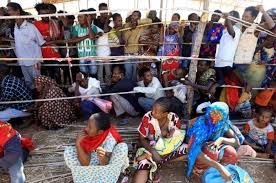
The United Nations is striving to get a team on the ground to investigate alleged human rights violations, including a mass killing in Ethiopia’s Tigray, described by the UN rights chief as one of many “appalling” human rights abuses that could amount to war crimes.
Ethiopia’s army has been fighting rebellious forces in the northern Tigray region for more than six weeks in a conflict that has displaced close to 950 000 people.
Access for humanitarian workers has until recent days been impossible and rights workers are now seeking access on the ground to verify reports.
“If civilians were deliberately killed by a party or parties to the conflict, these killings would amount to war crimes and there needs to be, as I have stressed previously, independent, impartial, thorough and transparent investigations to establish accountability and ensure justice,” UN human rights chief Michelle Bachelet said on Tuesday, describing incidents there as “heartbreaking” and “appalling”.
One of the events she mentioned was the alleged killing of several hundred people, mainly Amharans, in the northwest town of Mai Kadra on November 9.
She also described other incidents including artillery attacks on populated areas, the deliberate targeting of civilians, extrajudicial killings and widespread looting.
UN rights office (OHCHR) spokeswoman Liz Throssell later told a Geneva virtual briefing that her office had been holding talks with the Ethiopian government and was aiming to prepare a team to verify rights abuses as soon as possible.
She said some of the incidents of individual killings of civilians were blamed on the “Fano” militia from the province of Amhara, thought to be aligned with the government.
The Reuters news agency also received similar reports from displaced Tigrayans.
However, information obtained by the UN consistently pointed to violations by all parties to the conflict, she added.
Until now, the UN has been monitoring the situation remotely and has obtained some of its information from refugees among the tens of thousands who have fled to neighbouring Sudan.
Both sides deny their forces have committed atrocities, and blame other forces for the killing of civilians.
Accounts on all sides are difficult to verify because telecommunications links were down for most of the conflict and the government tightly controls access to the region.-Reuters.


 Bongani Ndlovu
 Online Reporter