Online Reporter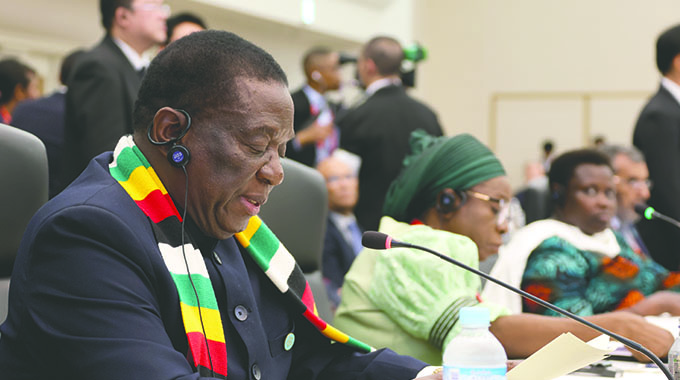
Fungi Kwaramba in YOKOHAMA, Japan
UNITED Nations agencies have committed to supporting Zimbabwe’s development trajectory, which has been registered under the Second Republic, especially in economic development and food security.
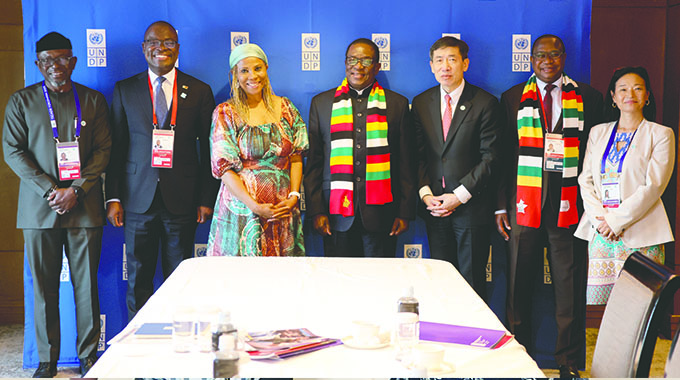
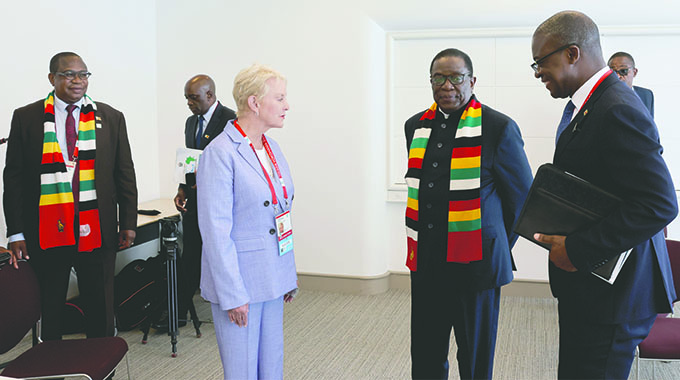
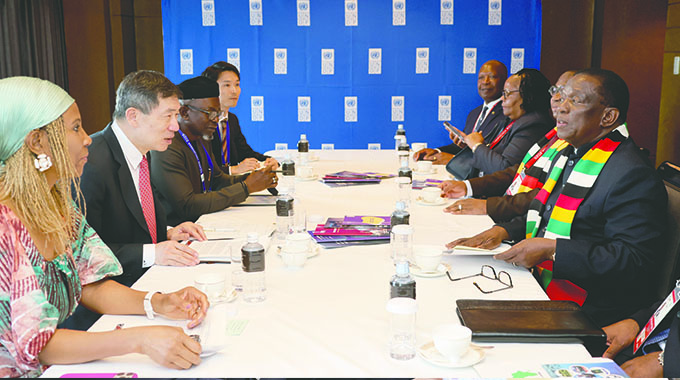
Yesterday, representatives from the United Nations Development Fund (UNDP) and the World Food Programme (WFP) met President Mnangagwa on the sidelines of the ongoing 9th Tokyo International Conference on African Development (TICAD), where they separately expressed their commitment to collaborate with Zimbabwe in its development strategy.
Under President Mnangagwa, the country has registered an economic upswing with projections of a 6 percent growth this year, underpinned primarily by a strong agricultural rebound after a year of drought and anticipated favourable commodity prices.
In an interview after meeting the President, UNDP Acting Administrator Mr Haoliang Xu said Zimbabwe has made social, economic and infrastructural progress that his organisation will continue to support.
“I think we had a very useful discussion about the progress Zimbabwe has achieved in recent years under his leadership. We talked about the collaboration between UNDP and the Government in different areas of development, especially in supporting national development strategies.
Reforms in economic development, environmental protection, improving people’s lives through health system improvement, and also about innovation in the future, about how to work together to create jobs for young people. So, I think it was really good, and UNDP is very committed to supporting the development of Zimbabwe,” he said.
Zimbabwe is attending this year’s TICAD Summit, which ends today, represented at the highest level by President Mnangagwa, whose policies have seen the country register perennial economic growth despite the yoke of illegal economic sanctions and climate change-induced droughts.
President Mnangagwa has made it a top priority to achieve not only food security for Zimbabweans but also sovereignty through various interventions that have positioned the agriculture sector as the backbone of the country’s economy.
The country seeks to achieve a US$13,75 billion agriculture industry value by year-end, driven by increased productivity from improved rainfall and programmes like the climate-proofed Presidential Inputs Support Programme and the Pfumvudza agriculture initiative.
In a separate interview, WFP Director Ms Cindy McCain said her organisation will continue supporting Zimbabwe so that it sustains and consolidates its food security.