Online Reporter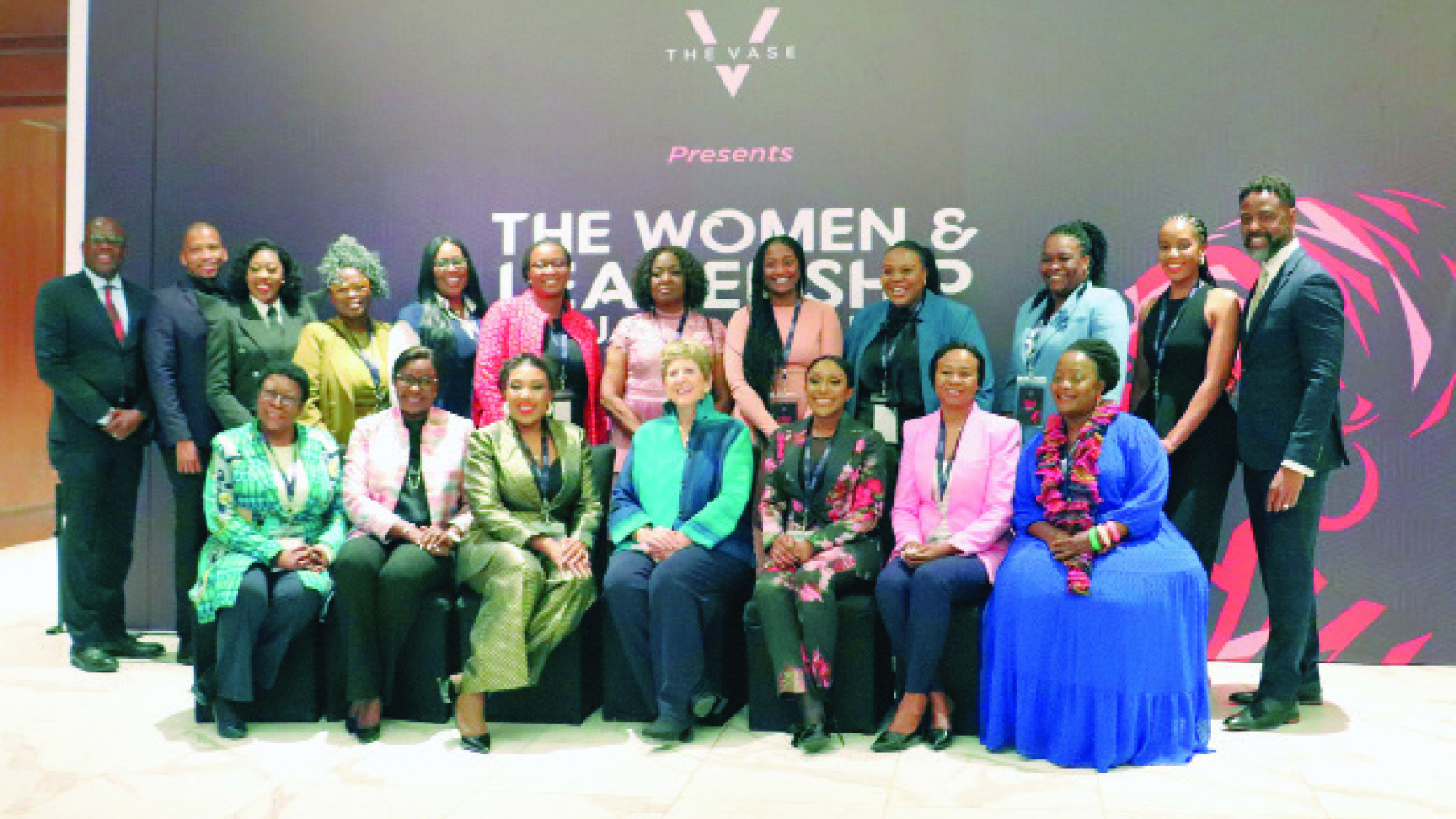
Trust Freddy
Herald Correspondent
The United Nations Working Group on Discrimination Against Women and Girls concluded a 12-day mission to Zimbabwe yesterday, praising the Government’s strong commitment to gender equality.
The mission, conducted at the invitation of the Government, involved consultations in Harare, Mutare, Masvingo and Bulawayo with Government officials, civil society and women and girls.
While the mission commended the country for its existing efforts, it stressed the significant challenges that remain in translating robust legal frameworks into tangible realities for women and girls.
At a press briefing in Harare marking the end of the visit, UN Working Group chairperson, Ms Laura Nyirinkindi, saluted the Government for its openness and cooperation throughout the mission.
“We would like to begin by thanking the Government of Zimbabwe for inviting us to conduct a country visit and for the strong support we received from Government officials,” said Ms Nyirinkindi.
“Throughout our visit, we engaged with national and local officials, civil society, development partners and most importantly, directly with Zimbabwean women and girls.”
The group lauded Zimbabwe for enshrining gender equality in its Constitution and for enacting essential legislation such as the Marriages Act and Domestic Violence Act.
They also noted a significant reduction in maternal mortality rates and the practice of gender mainstreaming and budgeting across various Government ministries.
“We commend the Government for these initiatives and for the vibrant partnerships we observed between national authorities, development partners, communities and civil society organisations,” said Ms Nyirinkindi.
“The Government’s commitment to gender-responsive budgeting is crucial for operationalising equality and transparency across sectors.
“Ensuring public resources are allocated to address the specific needs of women and girls is vital for advancing substantive gender equality and inclusive development.”
Despite the progress, the group highlighted the existence of a gap between policy and practice.
“In every province we visited, we heard from women and girls about the enduring harmful gender norms and barriers they encounter in daily life,” Ms Nyirinkindi stated.
“These challenges include early marriage, teenage pregnancy and unequal access to education, healthcare and economic opportunities.”
Vice chairperson of the working group, Ms Claudia Flores, called for robust implementation of existing policies.
“Zimbabwe has adopted a strong legal and policy framework,” she noted.
“However, translating these commitments into meaningful change for women and girls requires urgent and sustained implementation.”
The UN Working Group’s mission underscores both the achievements and challenges in Zimbabwe’s journey toward gender equality.