admin
admin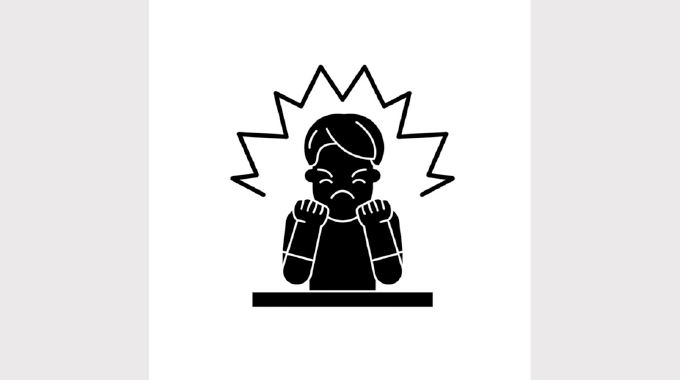
Anger is an emotion characterised by antagonism towards someone or something one feels has deliberately done wrong to him or her or is having a strong feeling of or showing annoyance, displeasure or hostility.
Anger is normal and healthy because it gives someone a way to express negative feelings or motivates one to find solutions to problems however, excessive anger can cause problems to self and others.
Types of anger
There are three types of anger commonly noticed in human beings.
Passive aggression: When an individual becomes silent, sulks and procrastinates while pretending everything is fine.
Open aggression: This may be physical or verbal aggression which may lead to harm self or others. Open anger looks like bullying, fighting, shouting, accusing, criticism etc.
Assertive anger: This one is a healthy way to respond to and handle anger in a controlled and confident manner.
Assertive anger is being in a space where one can process what is occurring and find words to express why he or she is angry about. It also help relationships to grow.
When is anger a problem?
1 When it negatively affects others resulting in straining or loosing important relationships.
2 When it hinders performance at work or school as it breaks down communication and makes it difficult to work with others.
3 When it negatively affects health or well-being.
4 When it goes too far, for example physical aggression can lead to harm self or others , legal troubles, property damage and loosing a job among others.
What causes anger?
Stress, financial problems, poor social or familial situations, abuse or violence, not feeling appreciated or treated unfairly, work related issues and overwhelming requirements on time and energy.
Alcoholism, however, anger may be more prevalent in individuals who were raised by alcoholic parents.
Genetics – if the brain does not react well to serotonin it is very difficult to manage anger.
Anger related health problems
High blood pressure.
Palpitations or chest tightening
Headaches
Fatigue
Pressure in the head and sinus cavities
Tingling sensation in both hands
Can anger be controlled?
YES we can learn to control our anger non medically or pharmacologically.
Self awareness by identifying what is going on in our bodies before, during and after anger.
Engage a counsellor to identify and work through the underlining emotions causing the anger and build copying mechanisms to tackle emotions and anger.
For more information contact: [email protected] or 0772224231.



 Online Reporter