admin
adminDr Sacrifice Chirisa Mental Health Matters
Dementia, now termed as major neurocognitive disorder (MND) whose primary clinical feature is an acquired cognitive decline in one or more cognitive domains. The cognitive decline must not just be a sense of a loss of cognitive abilities, but observable by others as well as tested by a cognitive assessment test.
The cognitive domains or areas affected include memory, attention, learning, language, perception, and social cognition. They interfere significantly with a person’s everyday independence. Below are specific symptoms of dementia. This will help the reader identify symptoms in themselves and relatives and help them to assess help.
- Memory loss for recent events: Individuals may have especially hard time remembering newly learned information and ask the same question over and over.
- Difficulty with problem solving, complex tasks and sound judgments: Planning a family event or balancing money may become overwhelming. Many people experience lapses in judgment, such as when making financial decisions.
- Changes in personality: People may become subdued or withdrawn — especially in socially challenging situations — or show uncharacteristic irritability or anger. Reduced motivation to complete tasks also is common.
- Difficulty organising and expressing thoughts: Finding the right words to describe objects or clearly express ideas becomes increasingly challenging.
- Getting lost or misplacing belongings: Individuals have increasing trouble finding their way around, even in familiar places. It is also common to lose or misplace things, including valuable items.
- Showing increasingly poor judgment and deepening confusion: Individuals lose track of where they are, the day of the week or the season. They may confuse family members or close friends with one another, or mistake strangers for family.
- They may wander, possibly in search of surroundings that feel more familiar: These difficulties make it unsafe to leave individuals suffering from dementia alone.
- As the condition gets worse more, symptoms emerge as listed below:
- Loss of ability to communicate coherently: An individual can no longer converse or speak coherently, although he or she may occasionally say words or phrases.
- Require daily assistance with personal care: This includes total assistance with eating, dressing, using the bathroom and all other daily self-care tasks.
- Experience a decline in physical abilities: A person may become unable to walk without assistance, then unable to sit or hold up his or her head without support. Muscles may become rigid and reflexes abnormal. Eventually, a person loses the ability to swallow and to control bladder and bowel functions.
- The causes of MND are multiple and it presents a warrant for intensive investigations to rule out treatable causes. The causes include the ones mentioned below.
The commonest is Alzheimer’s disease but central nervous system disease like cerebrovascular disease (strokes), Parkinson’s disease, Huntington’s disease, subdural haematoma, normal-pressure hydrocephalus, brain tumour, traumatic brain injury.
Systemic conditions that are known to cause dementia are hypothyroidism, vitamin B-12 or folic acid deficiency, niacin deficiency, hypocalcaemia, neurosyphilis, HIV infection and substance-induced conditions including alcohol.
Next week I look at how to manage dementia.
Dr S.M. Chirisa is a passionate mental health specialist. He can be reached at [email protected]
DISCLAIMER:
This column contains information about mental health related issues. However, the information is not advice, and should not be treated as such. The writer accepts no responsibility for misuse and misrepresentation caused by the use or misunderstanding of this article. No warranties or assurances are made in relation to the safety and content of this article and attachments. Sender accepts no liability for any damage caused by or contained in any attachments. No liability is accepted for any consequences arising from this article.
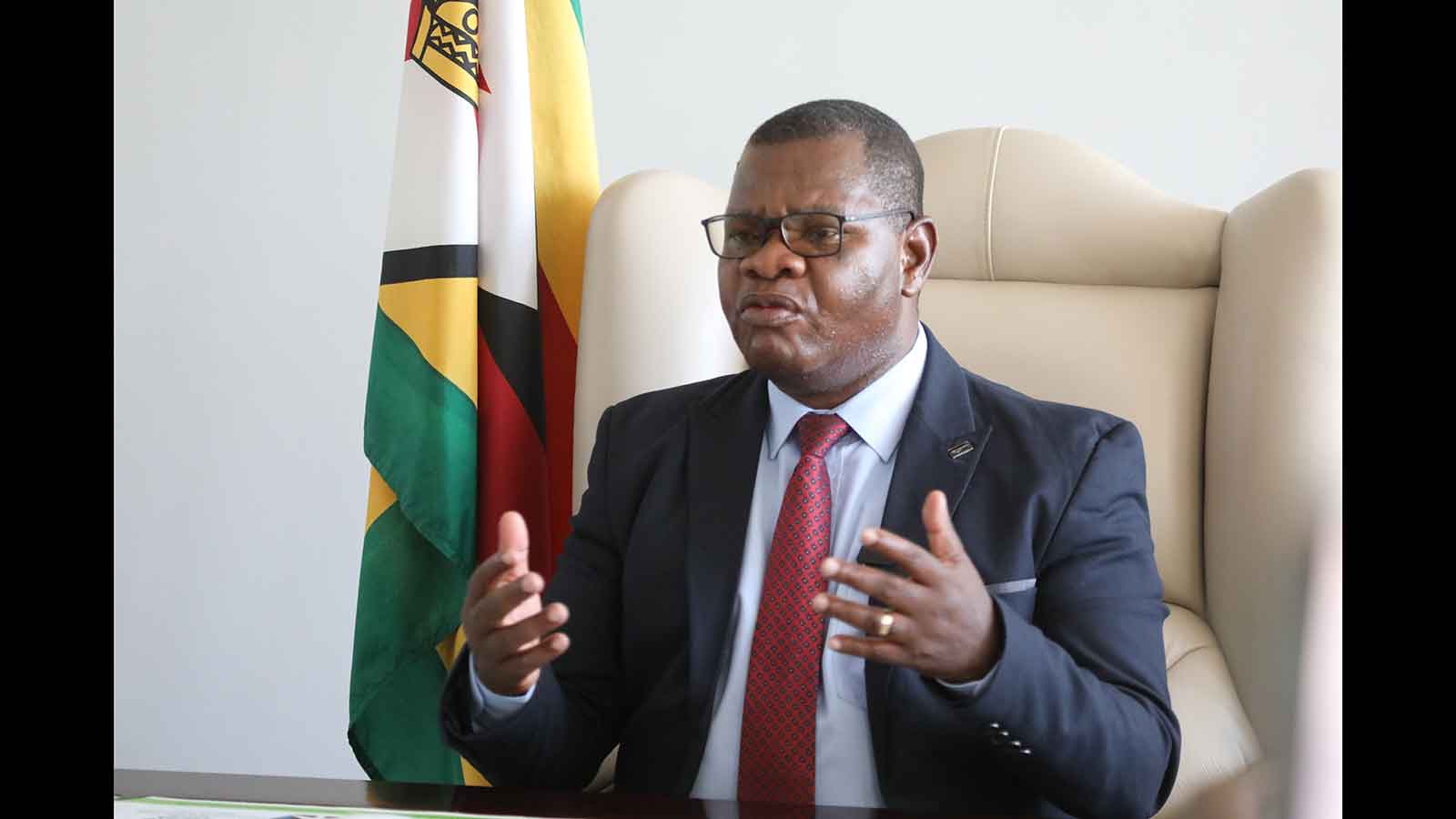
Dr S.M. Chirisa is a passionate mental health specialist who holds an undergraduate medical degree and post graduate Master’s degree in psychiatry both from the University of Zimbabwe. He is currently working as a Senior Registrar in the Department of Psychiatry at Parirenyatwa Group of Hospitals and is also the current national treasurer of the Zimbabwe Medical association (ZiMA). He can be reached at [email protected]



 Online Reporter