Chronicle Editor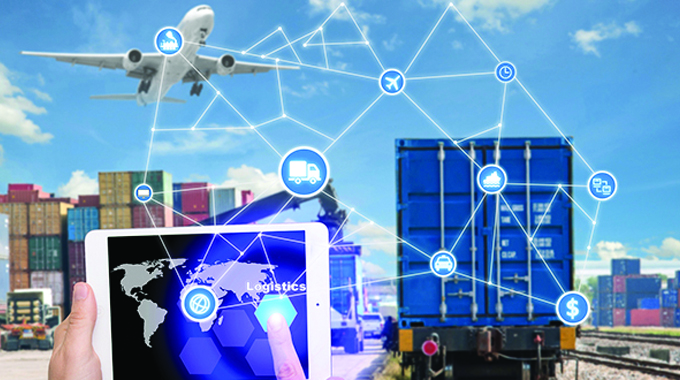
ZIMBABWE’S overall exports in 2021, which are the highest the country has ever recorded in history, continued on an upward trajectory year on year.
The total exports amounted to US$6,03 billion in 2021, indicating a 37,3 percent increase from the US$4,39 billion recorded in 2020.
The jump in exports, which exceeds the 10 percent growth estimated in the National Export Strategy, follows spirited re-engagement drive undertaken by President Mnangagwa’s Second Republic complemented by export development and promotion events implemented by ZimTrade.
For example, the President was recently in Kenya attending the Zimbabwe-Kenya Joint Permanent Commission where he engaged his counterpart, President Uhuru Kenyatta on the need to enhance trade between the two countries.
The two agreed on a raft of measures designed to ease movement of goods between Kenya and Zimbabwe, including eliminating trade tariffs.
Following President’s engagement in Kenya, ZimTrade, the country’s trade development and promotion organisation is conducting a market survey to establish Zimbabwe’s products and services with potential in the eastern African country.
Activities undertaken by the Government and related bodies such as ZimTrade are examples of what needs to be done to grow the nation’s exports.
The other important factor is that of logistics, finding the best options to land products in export markets.
Placing logistics at the centre
The continuous growth in Zimbabwe’s trade and global trade alike is heavily dependent on the effectiveness of trade support structures such as logistics services.
Logistics play an integral role in supporting commercial activities of Zimbabwe and as a gateway to harness fully the opportunities provided by the global export community.
It is no secret that overall logistics performance is positively and significantly correlated with exports and imports therefore this should be a key consideration as businesses endeavour on their export journey.
The main policy implication of improved trade related logistics, combined with a conducive business environment can positively impact international trade. For example, the outbreak of the Covid-19 pandemic highlighted the extent of globalisation and the need for enhanced transport and logistics network.
The pandemic caused a major disruption to food supply chains in the wake of lockdowns triggered by the global health crisis.
The movement of food through the channels of international trade was especially affected by lockdown measures.
As borders closed and demand for certain food items dropped, food producers reliant on selling their crops via distant export markets were highly vulnerable, particularly those producers focused on perishable food and agricultural products, such as fresh fruits and vegetables or specialty crops.
It is, therefore, imperative for existing and would-be exporters to understand more about logistics, know the key concepts to be considered when the business seeks to export its products.
Logistics for international trade
Logistics, in simple terms, involves the management of transporting products from a point of origin to the product’s point of consumption or use while at the same time meeting customer requirements.
Logistics is all about transporting the right product, to the right customer, in the right condition which means the right packaging and quantity and at the right place, at the right time and at the right cost.
First and foremost, for businesses to understand logistics, the networks and key aspect, it’s important to understand some ‘basic’ terms aligned to transport and logistics when it comes to international trade.
In order to facilitate trade and commerce around the world, an institution called the International Chamber of Commerce (ICC) publishes a set of terms commonly known as incoterms, which is an abbreviation of international commercial terms.
Incoterms are globally recognised and their purpose is to prevent confusion in foreign trade contracts by clarifying the obligations of buyers and sellers.
Parties and businesses involved in international trade often commonly use them as a kind of shorthand in order to help them understand one another and the exact terms involved as part of their business arrangements. — originally published in the ZimTrade March 2022 newsletter



 Online Reporter