Online Reporter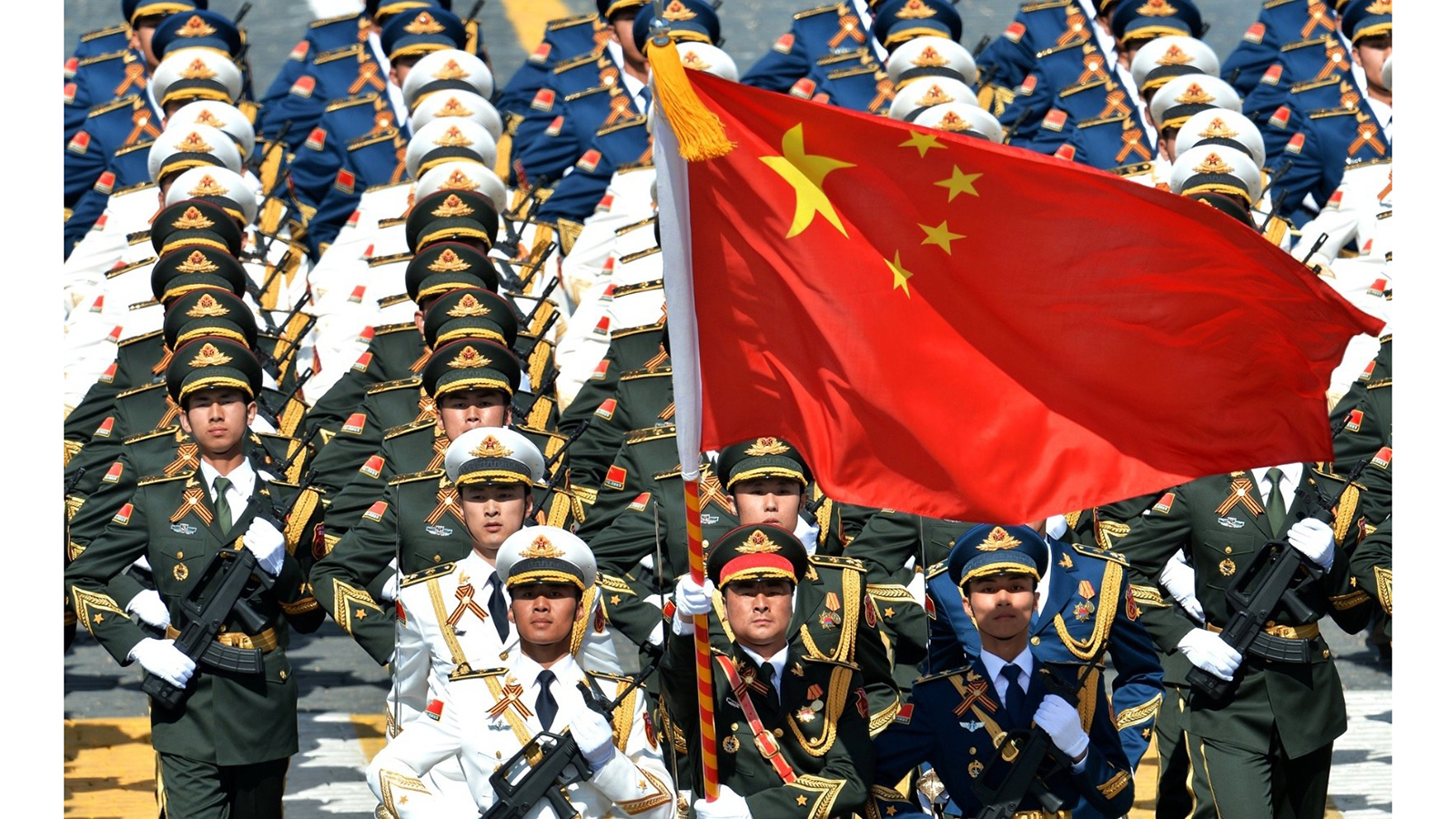
The 80th anniversary of the victory in the Chinese People’s War of Resistance against Japanese Aggression and the World Anti-Fascist War is a momentous commemoration with profound historical and contemporary significance.
President Mnangagwa is one of the two African Heads of State and Government who was invited to the grand event that took place early this morning.
Here are the key features and the significance of this anniversary:
Key Features of the 80th Anniversary Commemoration
The commemorations typically involve a blend of state-led events, educational initiatives and public discourse that emphasise certain core themes:
Solemn Ceremonies and Tributes:
Wreath-Laying Ceremonies: Official ceremonies are held at major memorials, most notably at the Museum of the War of Chinese People’s Resistance Against Japanese Aggression in Beijing and the Nanjing Massacre Memorial Hall.
Moment of Silence: A nationwide moment of silence is often observed to honour the soldiers and civilians who lost their lives.
Emphasis on National Unity and the United Front:
The anniversary highlights how the war effort temporarily bridged the internal divide between the Chinese Communist Party (CCP) and the Kuomintang (KMT), forming the Second United Front against a common enemy. This is used as a historical example of the power of national unity.
Recognition of China’s Central Role:
A major feature is the reiteration of China’s claim as the “main eastern theatre” of World War II. This emphasises the immense sacrifice and contribution of the Chinese people in tying down a massive portion of the Japanese military, which hampered Japan’s broader ambitions and aided the Allied efforts in other theatres.
Veteran Recognition:
Surviving veterans of the war, now very elderly, are honoured and given a place of high esteem in the ceremonies, serving as living links to this history.
Educational and Cultural Output:
The period sees a surge in documentaries, films, museum exhibitions and academic publications focused on the war. This aims to educate younger generations about the hardships and the spirit of resistance.
International Dimension:
While focusing on China’s experience, the commemoration is framed within the global context of the Anti-Fascist War, acknowledging the Allied efforts and the shared struggle against fascism.