Online Reporter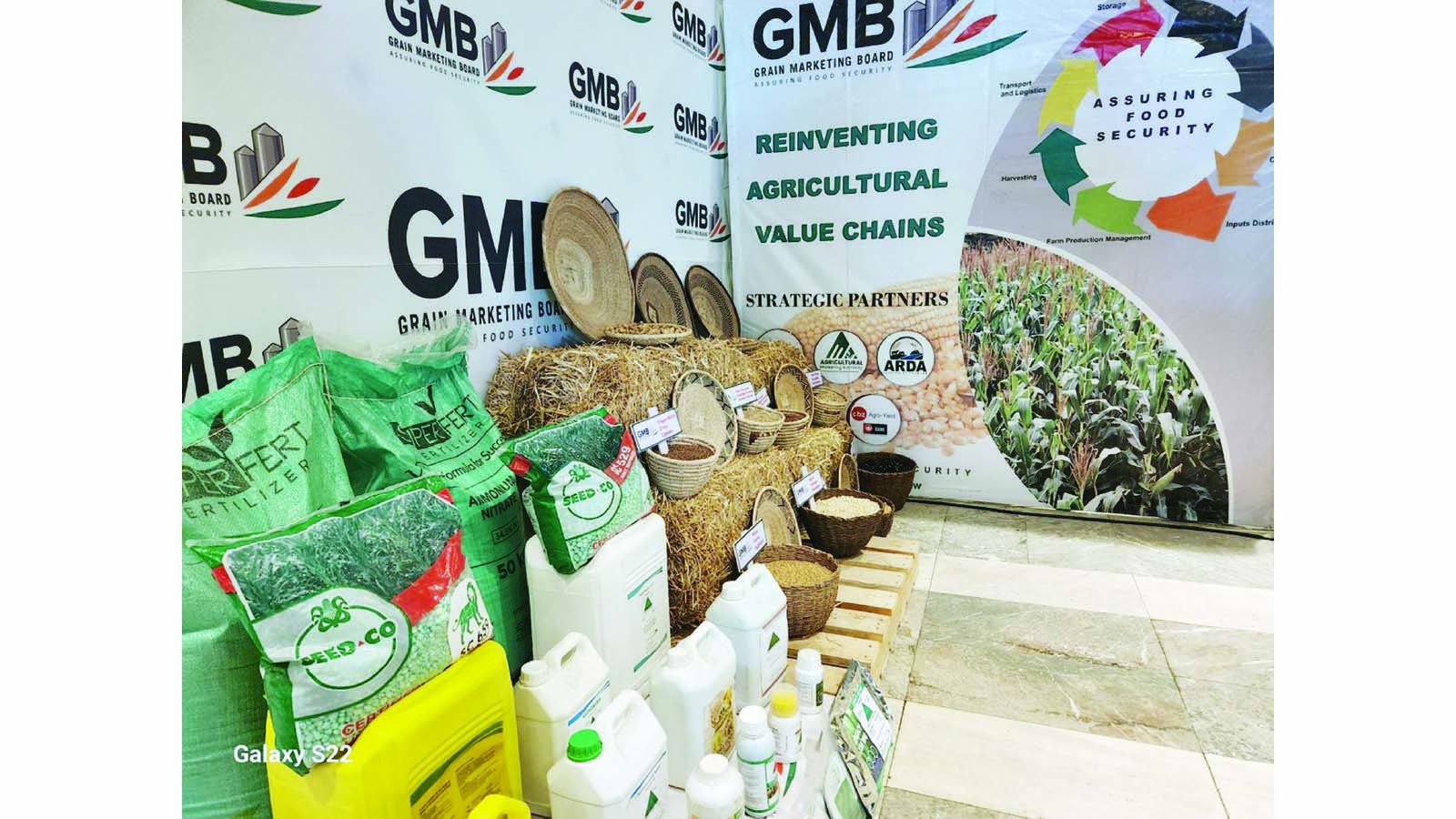
Word from the Market
Tina Nleya
THE 2025/2026 summer cropping marketing season is now upon us following a period characterised by favourable rains across most parts of the country.
For many farmers, this has translated into improved crop prospects.
However, as harvesting begins, a critical question emerges across farming communities: Where do I sell my produce?
Understanding the available marketing channels is essential for farmers to maximise returns, ensure compliance and participate effectively in Zimbabwe’s structured agricultural markets.
The country operates a multi-channel grain marketing system designed to balance food security, market efficiency and farmer choice.
A structured but liberalised marketing system
Zimbabwe’s agricultural marketing framework can best be described as structured liberalisation.
This means that while the Government maintains strategic control over key commodities such as maize and wheat to safeguard national food security, farmers also have access to multiple marketing channels, depending on how their crops were financed and produced.
These channels include the Grain Marketing Board (GMB), the Zimbabwe Mercantile Exchange (ZMX), contract farming arrangements, private traders and registered buyers.
Each pathway serves a specific function within the broader market ecosystem.
GMB
GMB remains the cornerstone of Zimbabwe’s grain marketing system.
Its primary mandate is to procure grain for the Strategic Grain Reserve (SGR) and act as a buyer of last resort for farmers.
For farmers who benefitted from Government-supported input schemes such as Pfumvudza/Intwasa, there is a clear obligation to deliver surplus produce to the GMB.
This arrangement ensures accountability for public investment and supports national food security objectives.
Beyond this, the GMB provides farmers with guaranteed market access, announced producer prices (which act as a floor price) and nationwide depot infrastructure for grain delivery.
For many smallholder farmers, particularly in remote areas, the GMB remains the most accessible and reliable marketing channel.
ZMX
ZMX represents a significant step towards formalised, transparent and market-driven agricultural trade.
Through ZMX, farmers can sell grain on a structured trading platform, access competitive pricing driven by supply and demand, and utilise warehouse receipt systems.
The warehouse receipt system is particularly important, as it allows farmers to store grain in certified facilities and receive a tradable receipt.
This receipt can be used as collateral to access financing, enabling farmers to avoid distress sales soon after harvest.
ZMX is, therefore, critical in improving price discovery, market transparency and access to post-harvest financing.
For commercially oriented farmers, this platform provides an opportunity to maximise value in a competitive environment.
Contract farming
Contract farming continues to play a central role in Zimbabwe’s agricultural production systems, particularly for crops such as maize, soya beans and wheat.
Under this model, farmers receive inputs, financing or technical support from contractors
In return, they are required to deliver produce to the contractor.
It is essential for farmers who participated in contract schemes to honour their contractual obligations.
This is not only a legal requirement but also fundamental to maintaining trust and sustainability within agricultural value chains. Failure to honour contracts undermines future access to financing, private sector confidence in agriculture and the integrity of structured markets.
The Agricultural Marketing Authority (AMA) actively promotes contract farming as part of its mandate to support organised and efficient marketing systems.
Private buyers and registered traders
In addition to formal institutions, farmers can also sell their produce to private buyers and traders.
However, it is important to emphasise that all buyers of agricultural produce must be registered and licensed.
AMA maintains a database of registered traders and buyers, ensuring that market participants operate within a regulated environment that protects both farmers and the broader market.
Through this system, buyers can approach AMA to source produce, farmers can be linked to credible and compliant buyers, while market information can be shared efficiently.
This platform enhances market coordination and reduces the risks associated with dealing with unregistered or unscrupulous traders.
AMA’s role
AMA plays a central role in Zimbabwe’s agricultural marketing system.
Established under the Agricultural Marketing Authority Act [Chapter 18:24], AMA is mandated to:
Regulate the production, buying and processing of agricultural products
Promote fair pricing and orderly marketing systems
Coordinate stakeholders across value chains
Facilitate contract farming and structured markets
Collect market intelligence and provide advisory services
This regulatory function ensures that:
Markets operate transparently
Farmers are protected
Buyers adhere to standards
The agriculture sector develops in a coordinated and sustainable manner
AMA also works to ensure that all participants in the market — producers, buyers and processors — operate within a framework that is aligned with national economic interests.
For farmers, choosing the right marketing channel depends on several factors:
Whether production was Government-financed, self-financed or contract-based
Proximity to markets or depots
Price considerations
Access to storage and logistics
Farmers are encouraged to:
Understand their obligations (especially under contract schemes)
Engage only with registered and licensed buyers
Explore opportunities on formal platforms such as ZMX
Utilise GMB facilities where appropriate
The 2025/2026 marketing season presents significant opportunity, particularly following favourable rainfall conditions.
However, realising value from agricultural production depends on effective participation in structured markets.
Zimbabwe’s multi-channel marketing system offers farmers flexibility, security and opportunity, but it also requires awareness, compliance and informed decision-making.
As the season progresses, farmers are encouraged to actively engage with available marketing channels and take full advantage of the systems in place.
Tina Nleya is AMA’s marketing and public relations manager. She can be contacted on email: [email protected]. Word From The Market is a column produced by AMA to promote market-driven production.