Langalakhe Mabena, [email protected]
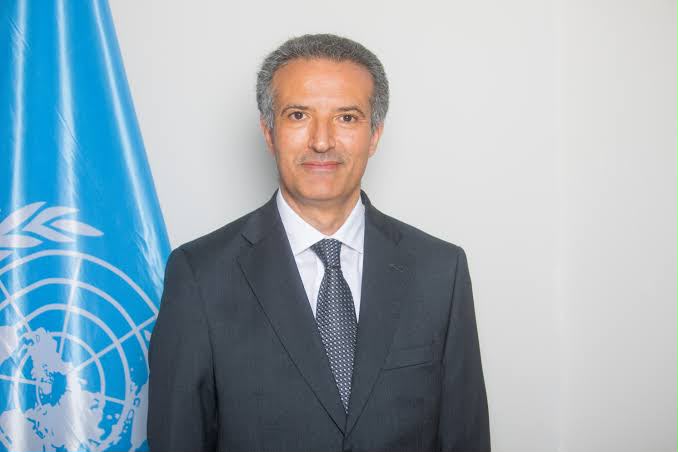
UNESCO Assistant Director-General for Culture Nayef H. Al-Fayez has called for greater investment in Zimbabwe’s creative sector, saying the industry has the potential to become one of the country’s next major economic frontiers.
Mr Al-Fayez made the remarks while addressing the Creative Economy Conference virtually from his base in France yesterday.
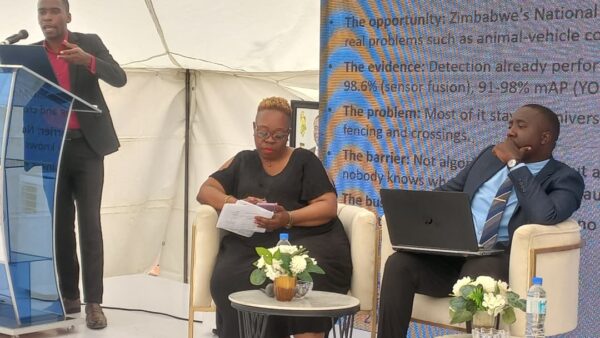
The conference is being held at the Zimbabwe International Conference Centre (HICC), Hall 2, with Vice-President Kembo Mohadi attending as guest of honour.
Minister of Sports, Recreation, Arts and Culture Anselem Sanyatwe is also attending, alongside other Government officials and dignitaries.
Presenting on the theme “Creative Economy as Zimbabwe’s Next Economic Frontier,” Mr Al-Fayez said the creative industries were increasingly becoming an important source of employment and economic growth, particularly for young people.
“The creative industry is one of the largest employers of young people and represents one of the fastest-growing sectors of the global economy,” he said.
He said countries that had made deliberate investments in their creative industries were already reaping economic benefits, adding that Zimbabwe had the cultural wealth and talent needed to follow a similar path.
“Countries that have invested strategically in creativity are already seeing remarkable results, and Zimbabwe possesses all the ingredients to achieve similar success,” said Mr Al-Fayez.
He pointed to Zimbabwe’s rich cultural heritage, established artistic talent and growing digital sector as key strengths that could help drive the country’s creative economy.
“Zimbabwe’s rich cultural heritage, world-renowned artists, vibrant creative talent and growing digital innovation provide a strong foundation for a thriving creative economy,” he said.
Mr Al-Fayez said Zimbabwe’s creative capital stretched from its heritage sites to its contemporary creative industries.
“From Great Zimbabwe and Victoria Falls to contemporary music, literature, film, fashion, design and digital art, the country’s creative capital is immense,” he said.
However, he said the major challenge was not a shortage of talent, but creating an environment in which that talent could be developed and transformed into sustainable businesses and employment opportunities.
“The challenge is not a lack of talent, but how to unlock, develop and scale that potential across the culture and creative industries,” he said.
He said Zimbabwe needed to invest in skills development, improve access to finance and digital technologies and strengthen the protection of intellectual property.
Mr Al-Fayez also called for greater artistic freedom and stronger links between Zimbabwean creatives and regional and international markets.
“This requires investment in skills development, access to finance and digital technology, as well as greater artistic freedom, stronger intellectual property protection and better connections to regional and global markets,” he said.
He said Government and stakeholders should look at culture beyond its traditional role of preserving identity and heritage, arguing that it could play a much bigger role in Zimbabwe’s economic development.
“Most importantly, culture must be recognised not only as a source of identity, but also as a powerful driver of employment, tourism, economic growth and sustainable development,” said Mr Al-Fayez.
His remarks come as Zimbabwe steps up efforts to position the creative sector as a contributor to economic development, with the Creative Economy Conference providing a platform for Government, creatives and other stakeholders to discuss ways of unlocking the sector’s potential.