Online Reporter
Sikhumbuzo Moyo [email protected]
UNICEF has called for stronger local authority capacity to plan, finance and maintain water and sanitation infrastructure, warning that poor WASH services are putting children’s health, education and dignity at risk.
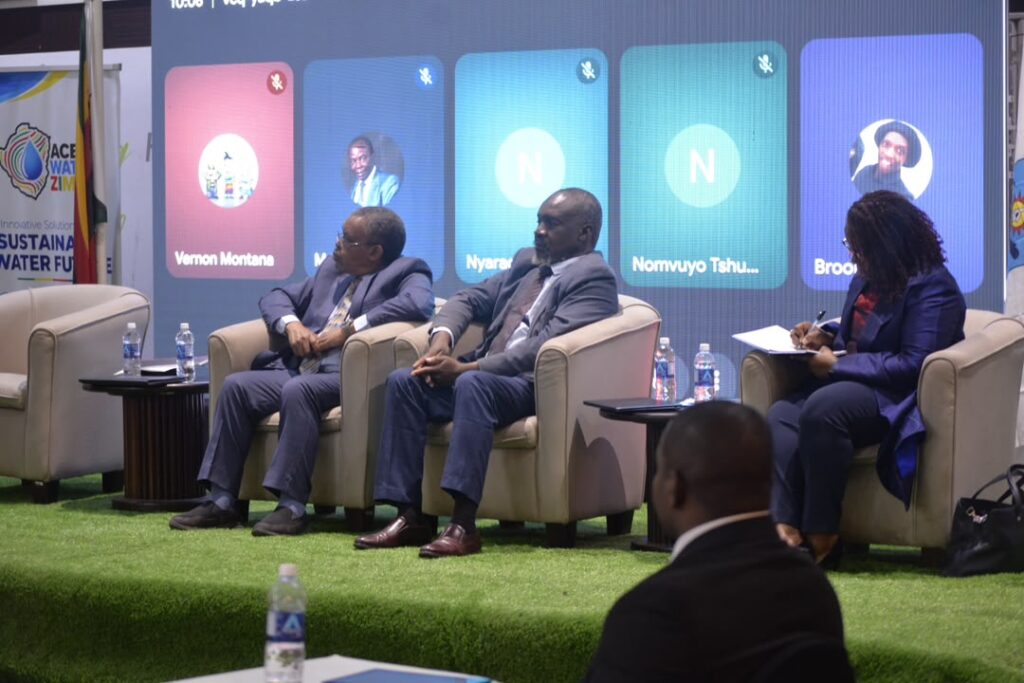
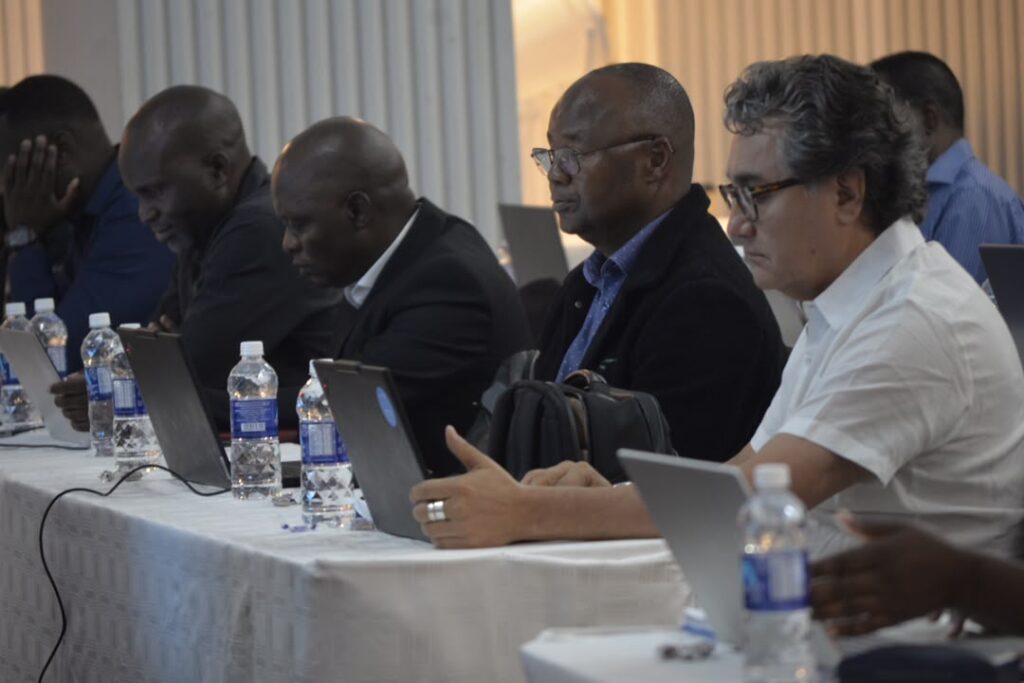
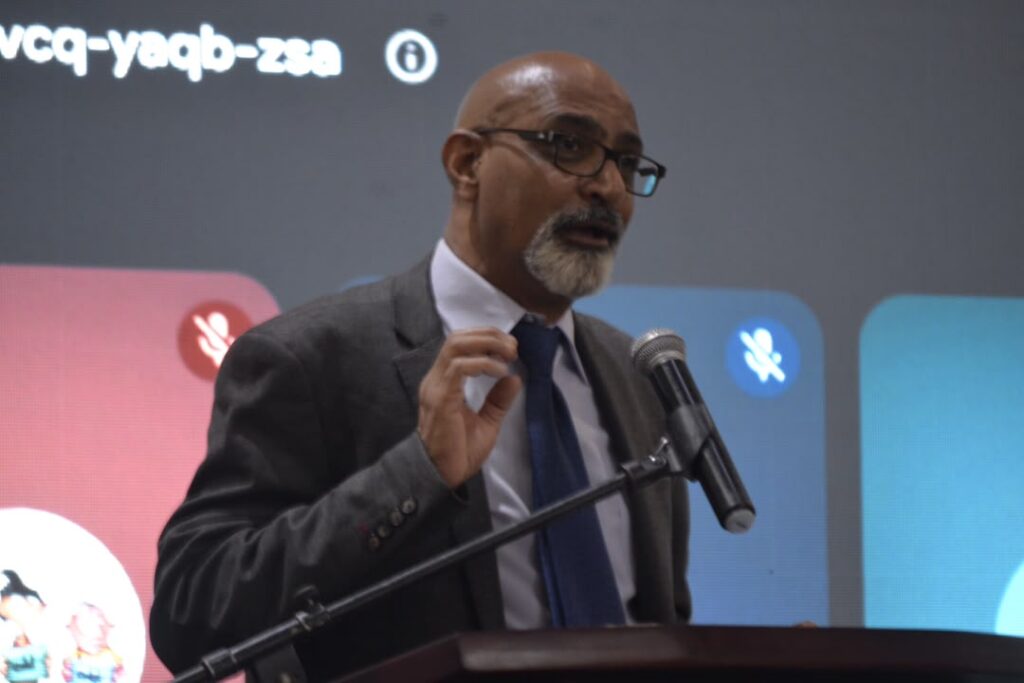
Speaking at the ongoing Zimbabwe Water Indaba and WASH Joint Sector Review organised by the National University of Science and Technology (Nust) at a Bulawayo hotel, UNICEF country representative Ms Etona Ekole said the organisation remained committed to working with the Government to turn its WASH commitments into tangible results for children.
She said the indaba was more than a technical review, but an opportunity to make decisions that would determine whether children across Zimbabwe had access to safe water, sanitation and hygiene services.
“As we meet over the coming days, we must keep children’s daily realities at the centre of every decision. National access to basic drinking water has remained at about 64 percent since 2020, while basic sanitation stands at about 36 percent and hygiene remains low at around 42 percent, with urban-rural disparities,” said Ms Ekole.
She said the statistics represented the daily reality of children who wake up without reliable access to safe water, learners who attend school without adequate handwashing facilities and families without sanitation facilities capable of protecting children from preventable diseases.
Ms Ekole said children bore the greatest burden when water systems failed, as unsafe water exposed them to diarrhoeal diseases, cholera and other infections.
Poor WASH services also contributed to malnutrition and interrupted learning when children spent time collecting water or missed school because of illness, she said.
Ms Ekole said inadequate facilities also undermined menstrual health and dignity, while increasing protection risks, particularly for girls forced to travel long distances or queue for water.
“A child without water is a child whose health, education and future are at risk. Investing in safely managed water, sanitation and hygiene services is therefore one of the most practical and powerful investments we can make in children’s survival, health, learning and dignity.
“Safe water is far from being a luxury, and sanitation is not a secondary service, but a foundation of a child’s life chances,” said Ms Ekole.
She said expanding reliable WASH services would help Zimbabwe reduce disease outbreaks, improve school attendance and learning outcomes, ease the burden on families and strengthen the resilience of communities where children were most at risk.