

 Online Reporter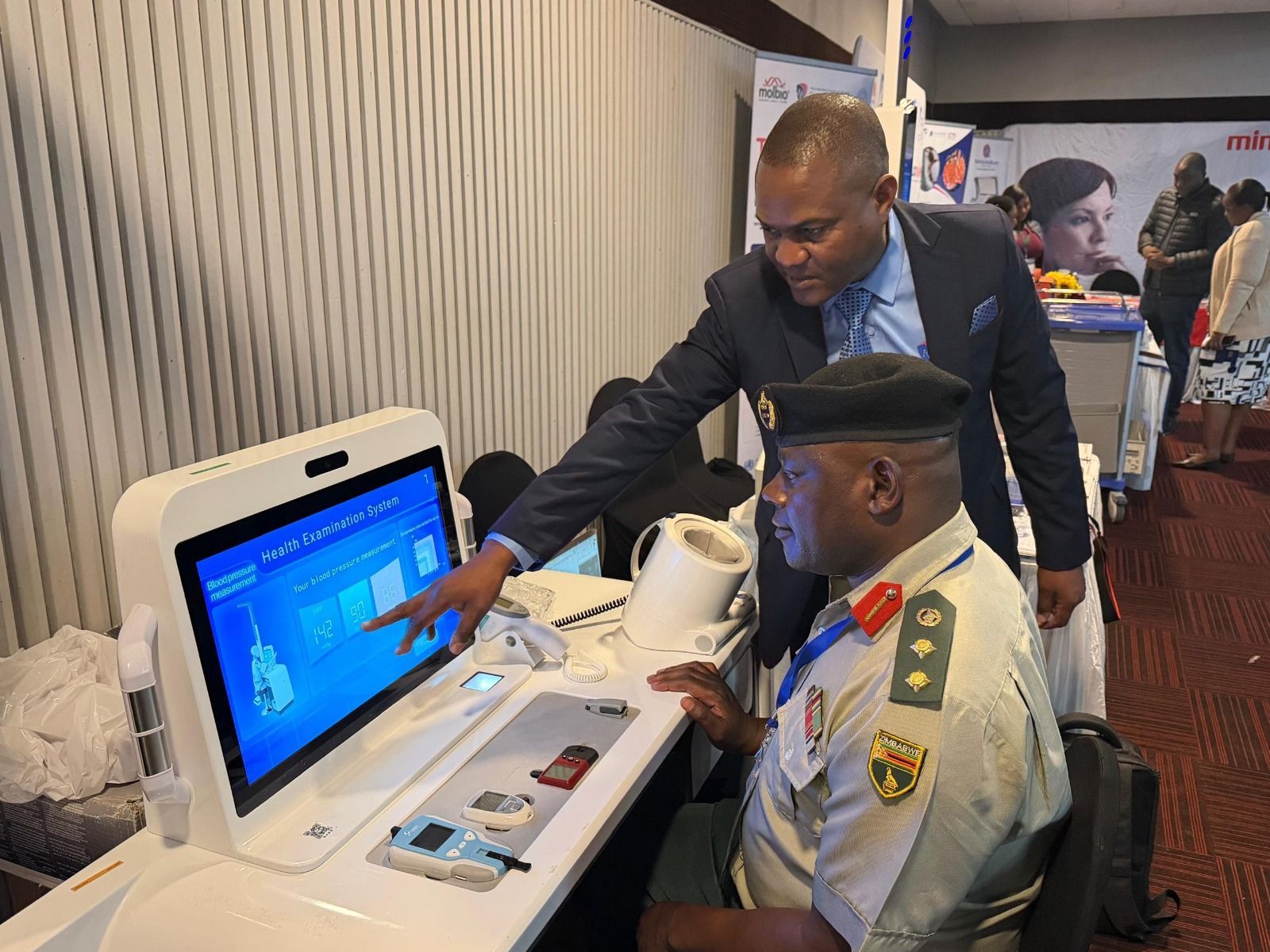
Robin Muchetu [email protected]
TACKLING the scourge of drug and substance abuse requires collective effort from the uniformed forces and a proposal has been put forward to set up one facility where affected members are treated and assisted early to reduce the devastating effects.
This came out during the closing session of the Zimbabwe uniformed forces health services conference, which ended on Friday in Bulawayo.
Addressing the delegates, the Zimbabwe Prisons and Correctional Service (ZPCS) Deputy Commissioner General Support Services, Manetswa Manhivi, who was representing the Commissioner-General Dr Moses Chihobvu, said drug and substance abuse is a growing concern.
“One issue that emerged prominently during our deliberations is the growing challenge of drug and substance abuse. This is no longer merely a social concern but a serious public health, disciplinary and operational challenge that threatens the health, discipline, productivity and effectiveness of our Uniformed Services,” said Comm-Gen Chihobvu.
“It is, therefore, imperative that our institutions strengthen prevention programmes through sustained awareness campaigns, education and early intervention.”
Comm-Gen Chihobvu said the formation of a single rehabilitation centre could be a solution to tackle the growing trend that is affecting not only the moral fabric but also economic activity, as affected people cannot fully participate in their jobs.
“The growing problem of drug and substance abuse requires the establishment of rehabilitation centres within all uniformed services institutions to provide timely treatment, rehabilitation and psycho-social support to affected personnel,” he said.
“However, where resources may not permit the establishment of rehabilitation centres within each institution, we should seriously consider pooling our resources, expertise and capacities to establish a Zimbabwe uniformed forces drug rehabilitation centre that can serve members from all our Uniformed Services.”
Comm-Gen Chihobvu said such a shared facility helps to leverage available resources, promote inter-agency co-operation, foster the sharing of specialised expertise and ensure that no member requiring assistance is left behind.
He said as the uniformed forces return to their respective institutions, they must ensure that the valuable knowledge, innovations and best practices shared during the conference do not remain confined to the proceedings.
“Rather, they should inspire practical interventions that improve service delivery, strengthen disease prevention, enhance healthcare outcomes and build resilient health systems within our institutions,” said Comm-Gen Chihobvu.
“We must continue strengthening inter-agency collaboration, research, data sharing, capacity building and resource mobilisation, recognising that no single institution can successfully address today’s complex health challenges in isolation.”
Furthermore, he added that uniformed services carry a unique responsibility where the health and well-being of their personnel directly influence their readiness, institutional resilience and ability to effectively discharge their constitutional mandates.
“Investing in preventive healthcare, early diagnosis, quality treatment, health promotion and resilient health systems is therefore not merely a health imperative, but a strategic investment in national security and national development,” said Comm-Gen Dr Chihobvu.
During the conference, which was also attended by uniformed forces from the SADC region, they engaged in rich and meaningful deliberations, exchanged knowledge and experiences, shared research findings and innovations, and also strengthened collaboration among uniformed services and partners.
The conference ran under the theme: “Integrated Health Futures: Addressing HIV, NCDs and Co-morbidities in a Changing World.”
Comm-Gen Dr Chihobvu said while Zimbabwe has made remarkable progress in the fight against HIV, the health landscape continues to evolve.
“Today we face a growing burden of non-communicable diseases, mental health challenges, antimicrobial resistance, emerging infections and other co-morbidities. These realities call for integrated, responsive and sustainable healthcare systems capable of addressing both current and future health challenges,” he said.
— @NyembeziMu


