

 Online Reporter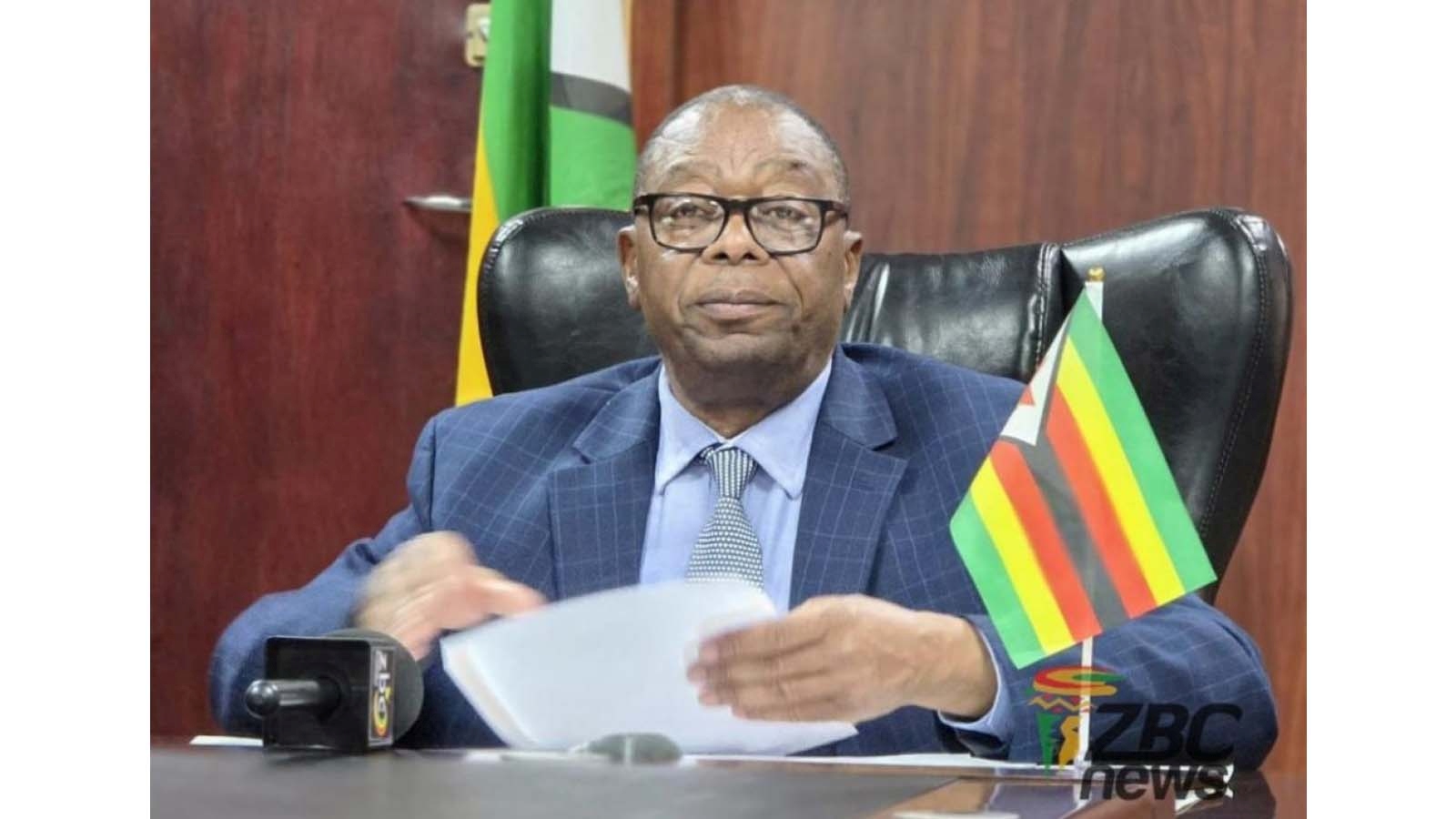
Rumbidzayi Zinyuke
Senior Health Reporter
GOVERNMENT is a step closer to rolling out universal healthcare after finalising a proposed programme that will enable Zimbabweans to access services at public health institutions without paying for consultations, investigations or treatment at the point of care.
The proposed National Healthcare Provision Programme, formerly known as the National Health Insurance Scheme, is now set to be considered by Cabinet before being taken to Parliament for the enactment of the legislation required to operationalise it.
Health and Child Care Minister Dr Douglas Mombeshora said the initiative had been renamed following legal advice from the Attorney-General’s Office that its funding model and structure did not meet the definition of an insurance scheme.
Under the proposed model, healthcare services would be funded through dedicated levies collected on selected goods and services, rather than through monthly contributions paid by registered members.
“We intended to start with a National Health Insurance Scheme, but we have since changed the name before implementation,” he said.
“An insurance scheme requires individuals to register with an organisation and make monthly contributions. What we are proposing is a programme where every citizen and every resident can access health services in our public institutions without paying for consultations, investigations or treatment.”
Dr Mombeshora said that although patients would not pay for services, the healthcare system would still require sustainable funding to cover the costs of medicines, laboratory tests, medical equipment, health workers, and other services.
“There is nothing free in this world. It may be free to the patient, but somebody has to pay for it. We are saying that at the point of transaction, every Zimbabwean contributes,” he added.
“If we levy a tax on the sale of beer, for example, everyone who buys it contributes the same amount. The same principle applies to other selected products.”
He said the proposed funding mechanism was based on collective contributions, with revenue raised from selected transactions pooled to finance healthcare services for the population.
The contributions would not be linked to an individual’s level of access to healthcare, as would be the case under a conventional insurance arrangement.
“It is not insurance because you are not insured. You cannot claim that because you paid a certain amount you are entitled to utilise that exact money. The funds will go towards providing healthcare services for everyone,” said Dr Mombeshora.
The National Health proposal has been under development for several years as part of Government’s broader efforts to achieve universal health coverage and reduce the financial barriers that prevent some Zimbabweans from accessing essential healthcare services.
The proposed scheme was initially designed to mobilise resources for the health sector through a national financing mechanism that would pool contributions and expand access to quality healthcare.
However, consultations on the framework raised questions over its financing structure, the nature of contributions and whether the proposed model constituted an insurance scheme.
The revised National Healthcare Provision Programme seeks to address those concerns by establishing a publicly funded system in which healthcare services are provided without direct payment at the point of use.
The programme is also expected to strengthen domestic financing for the health sector and reduce reliance on external support, while protecting households from the financial burden associated with seeking medical care.
Dr Mombeshora said the programme would require a new Act of Parliament before it could be implemented.
“This is a new initiative and it requires an Act of Parliament. Several drafts have been reviewed and the final document has now been prepared. I will be presenting the National Healthcare Provision Programme to the Cabinet Committee. If it is approved there, it will proceed to Cabinet and thereafter to Parliament,” he said.
The proposed programme is expected to form a key pillar of Government’s efforts to expand access to affordable healthcare and advance universal health coverage, while creating a sustainable domestic financing mechanism for public health services.


