Chronicle Editor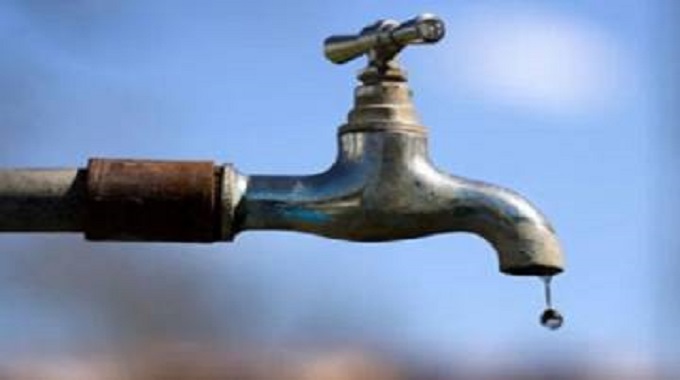
Thandolwenkosi Nkomo, [email protected]
The city of Bulawayo is in the midst of a crippling water crisis which is arguably the worst water crisis the city has faced in the last 10 years.
Erratic rains, aging infrastructure and a growing population have over the years continued to place immense strain on the city’s water resources. Undoubtedly, addressing this complex challenge requires a collective effort, underpinned by dialogic communication.
Understanding the crisis: Beyond the headlines
News reports about the city’s water woes have painted a gloomy picture of scarcity, frustration, and a strong need for all stakeholders to cooperate towards a lasting solution to the City’s water woes.
Beyond the erratic rainfall patterns, it is clear that Bulawayo’s water challenges are a culmination of various factors – environmental, social, and economic. Climate change, the impact of artisanal mining activities in dam catchment areas, an expanding population and limited investment in additional dams and other water storage and supply infrastructure means have significantly reduced the ability of the local authority to ensure residents have adequate water supplies. This, in turn, has negatively affected sanitation, hygiene, and the livelihood of residents in the city.
The need for open and inclusive dialogue
In the last few months, the local authority has been running a water rationing schedule to ensure equitable distribution of available water. There have been stakeholder engagement meetings to discuss strategies towards a lasting solution to the water situation, but such engagement has largely been high level with limited engagement at the grassroots level. Given the magnitude of the crisis and the limited visibility of grassroots efforts to address the crisis, one could be forgiven for thinking that the water crisis is only a concern for decision-makers.
A sneak peek into WhatsApp groups organised by residents to share pertinent issues relevant to their residential areas highlights frustration around a top-down approach to water crisis-related communications. For the most part, the local authority has used notices indicating when water would be opened, and closed and when the schedule would need to be disrupted due to faults.
There is limited room for residents to make suggestions on improvements to the water rationing schedule, and there is very little discussion on how residents can play a part in addressing the water shortages.
It is beyond doubt that the use of notices, pronouncements and directives is unlikely to achieve lasting results. Dialogic communication is the key and if implemented, will foster a space for open exchange and collaborative problem-solving. It will ensure that the local authority moves beyond simply informing residents to actively engaging them in discussions.
What is dialogic communication?
Dialogic communication is a two-way street. It prioritises active listening, empathy, and respect for diverse perspectives. Here’s how it can be applied to Bulawayo’s water crisis:
Open forums and community meetings
There is need for platforms where residents can add their voice on how best the city can respond to the water crisis. Councillors can play a leading role in this through organising constructive dialogue on how residents as individuals and as a collective can ensure that the limited available water supplies are available to everyone and can be stretched to last till the next rainy season.
Officials can present challenges and proposed solutions, but more importantly, actively listen to resident feedback.
Citizen science and community monitoring
Residents can be empowered to participate in data collection on water usage patterns and leakages. This not only provides valuable data but fosters a sense of ownership in finding solutions.
Utilising local knowledge
Communities often possess generations-old knowledge about water conservation practices. Dialogic communication can allow this wisdom to be incorporated into broader strategies. Residents can play an active role in looking at, for example, what has worked in the past in terms of water conservation, and what can work in the current crisis.
Benefits of a dialogic approach
By fostering dialogue, several benefits can be achieved. When residents feel heard and valued, trust in authorities increases. This fosters a spirit of collaboration, where residents become active participants in solutions, not just passive recipients of pronouncements.
Through dialogue, locally relevant solutions that address specific needs and challenges can be developed. Lastly, when residents are engaged in the decision-making process, they feel empowered to take ownership of solutions and hold authorities accountable.
Challenges and overcoming them
Dialogic communication is not without its challenges. Creating a truly open space for dialogue requires addressing existing power imbalances.
Authorities must make a genuine commitment to listening and incorporating resident voices. Efforts must also be made to ensure communication reaches all residents, considering local languages and accessibility needs. Effective dialogue requires time and resources.
However, the long-term benefits outweigh the initial investment. Several cities have successfully employed dialogic communication to addressing water challenges. While facing a severe water crisis in the 1990s, the city of Sao Paulo in Brazil adopted a participatory approach.
Residents participated in decision-making on water rationing and conservation measures, leading to a significant reduction in water consumption. The city of Ahmedabad in India tackled water scarcity through community-based water management.
Residents formed water user associations, responsible for managing distribution and resolving disputes. This not only ensured equitable access but also fostered a sense of ownership.
Bulawayo’s water crisis demands a collective response. By embracing dialogic communication, the city can unlock the potential of its residents. Residents with their lived experiences and local knowledge, together with authorities committed to listening and collaborating, can chart a course towards a more sustainable water future.
This approach requires commitment from all stakeholders. Residents must be willing to participate actively, and authorities must create a space for genuine dialogue. Working together, Bulawayo can transform this crisis into an opportunity for collaborative problem-solving and a more resilient future.
Bulawayo’s water crisis is a stark reminder of the challenges facing cities worldwide. However, it also presents an opportunity to embrace a new approach – one built on dialogue, collaboration, and shared responsibility. By harnessing the collective wisdom of its residents, Bulawayo can not only overcome the current crisis but also build a more water-secure future for generations to come.
*Thandolwenkosi Nkomo is a media and communications specialist serving as the President of the Zimbabwe Institute of Public Relations (ZIPR).



 Online Reporter